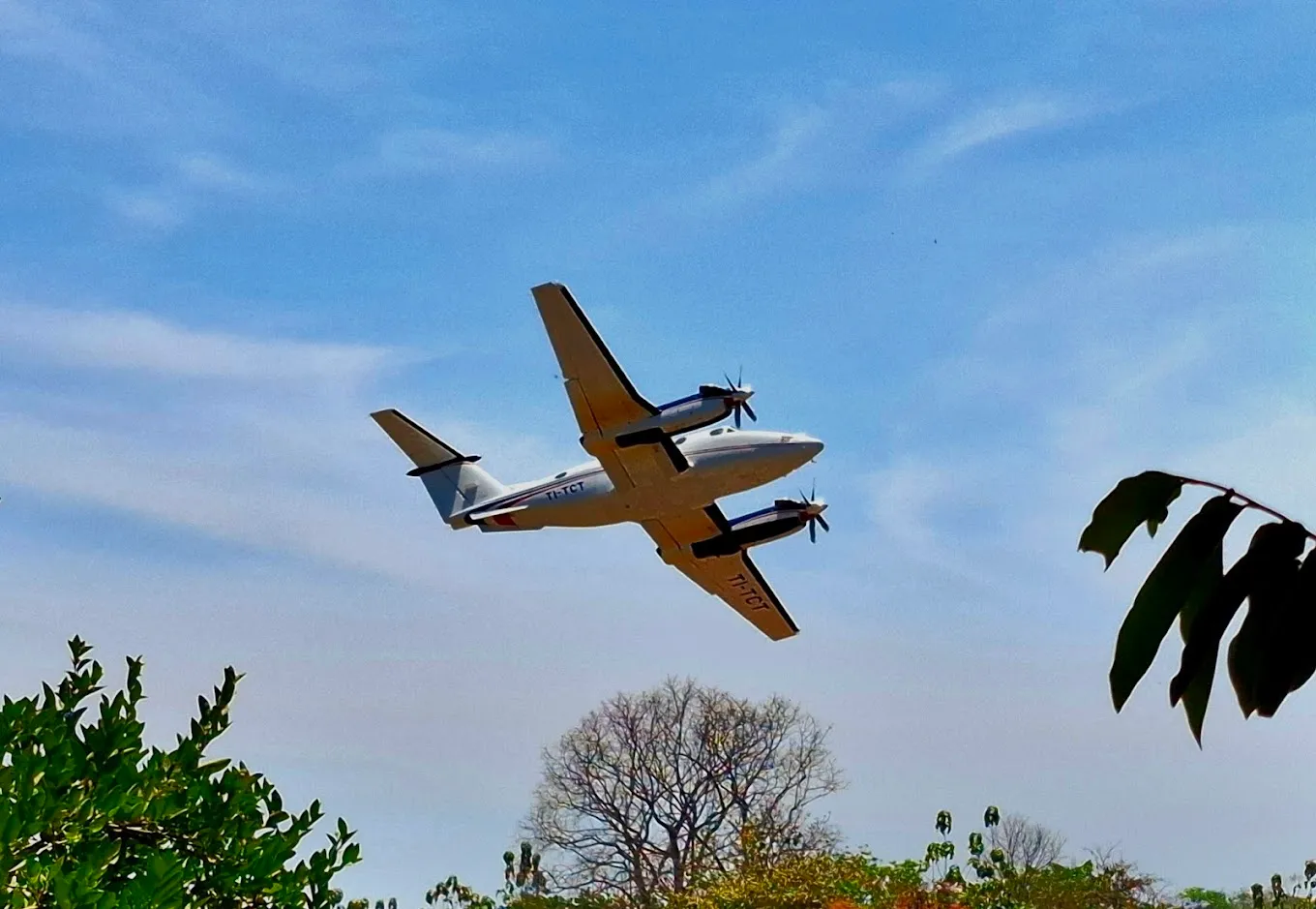
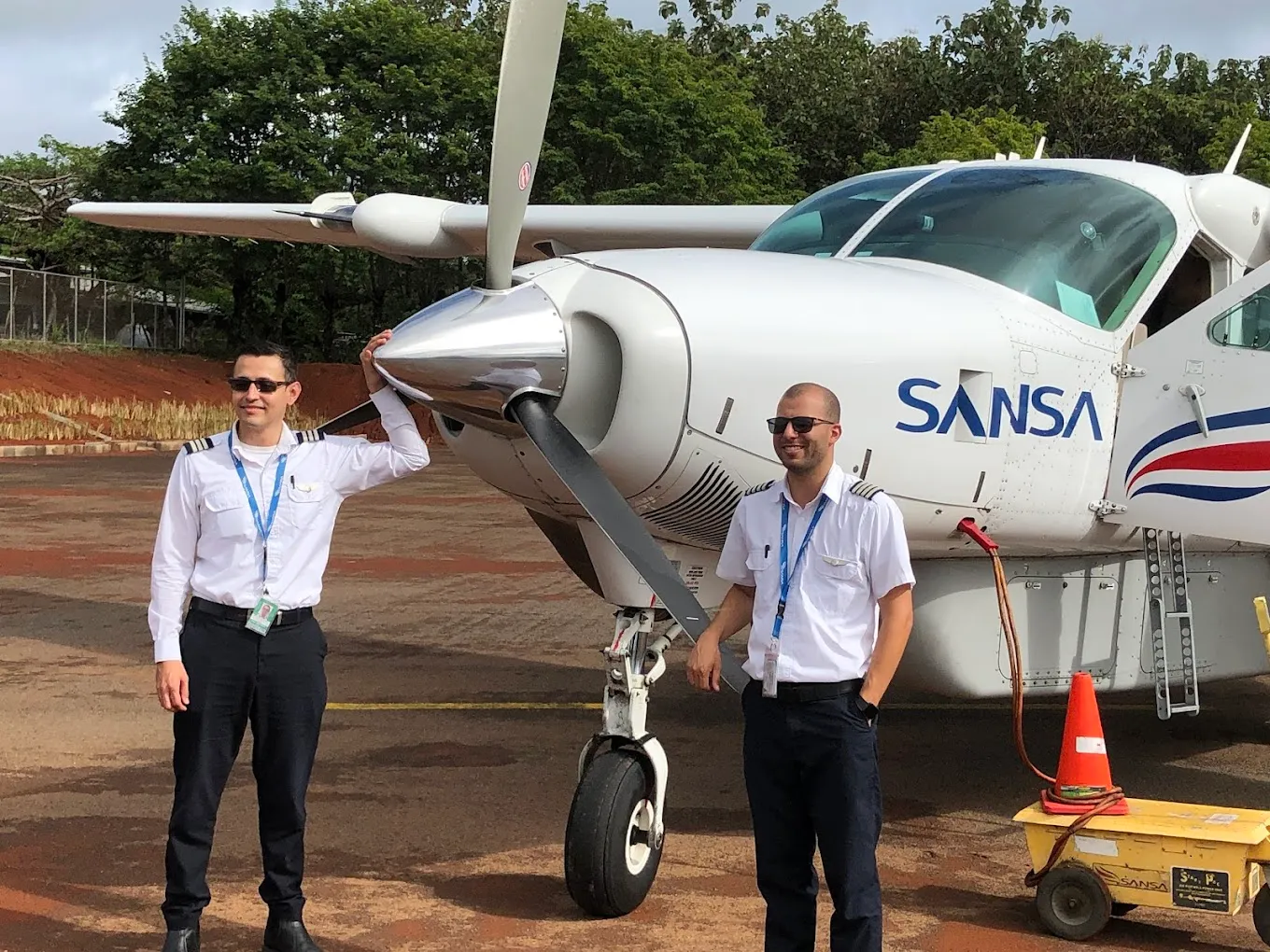
Cobano Airport ACO
Cóbano Airport (ACO): Gateway to Santa Teresa and Montezuma
Cóbano Airport provides domestic air access to Costa Rica’s southern Nicoya Peninsula and places travelers closer to Santa Teresa, Montezuma, Mal País and other communities in the region.
Officially known as Aeropuerto de Cóbano, the airport uses IATA code ACO and ICAO code MRAF. It opened on August 5, 2023.
Flying into Cóbano reduces the amount of overland travel required for many southern Nicoya itineraries, but the airport is not the final destination for most passengers. Ground transportation must still be arranged from ACO to the exact hotel, villa, vacation rental or other confirmed destination.
Quick Answer
Cóbano Airport is a domestic regional airport in Puntarenas Province serving the southern Nicoya Peninsula.
It is particularly relevant for travelers continuing to Santa Teresa, Mal País, Montezuma, Cabuya, Tambor, Playa Carmen and surrounding communities.
Domestic flight schedules, frequencies and routes can change, so travelers should confirm their actual flight before arranging the onward airport transfer. Once the flight is confirmed, transportation from Cóbano Airport should be coordinated using the exact final destination.
Cóbano Airport at a Glance
Official name: Aeropuerto de Cóbano
IATA code: ACO
ICAO code: MRAF
Location: Cóbano district, Puntarenas Province
Tourism region: Southern Nicoya Peninsula
Airport type: Domestic regional airport
Opening date: August 5, 2023
Ground transportation required after landing: Yes
Principal destination area: Southern Nicoya Peninsula
Where Is Cóbano Airport?
Cóbano Airport is located in the Cóbano district of Puntarenas Province on Costa Rica’s Nicoya Peninsula.
Its position makes it an important regional arrival point for travelers continuing toward Santa Teresa, Playa Carmen, Mal País, Montezuma, Cabuya, Tambor and other communities across the southern peninsula.
The airport should be understood as the air-access portion of the itinerary rather than the traveler’s final destination. After landing, passengers continue by road to the specific accommodation or community included in their travel plans.
Travelers comparing different ways to reach the airport can review the complete guide on how to get to Cóbano Airport.
Why Cóbano Airport Matters for Southern Nicoya
Cóbano Airport provides an arrival point positioned considerably closer to many southern Nicoya destinations than Costa Rica’s principal international airports.
This can reduce the amount of ground transportation required for travelers whose itinerary centers on Santa Teresa, Montezuma, Mal País or nearby communities.
The practical advantage is not the flight alone. Travelers must consider the complete itinerary:
Arrival at or connection through the departure airport.
The domestic flight to Cóbano.
Baggage and flight procedures.
Transportation from Cóbano Airport.
The exact final accommodation or destination.
For this reason, domestic air travel and the local ground transfer should be planned as connected parts of the same journey.
Which Destinations Can You Reach from Cóbano Airport?
ACO serves as a regional starting point for several destinations across the southern Nicoya Peninsula.
Santa Teresa
Santa Teresa is one of the principal destinations associated with Cóbano Airport.
The destination extends across a broader coastal area rather than one compact arrival point, so the final transfer should be coordinated using the exact hotel, villa, vacation rental or other confirmed property.
Travelers who already know they want a dedicated airport transfer can review Cóbano Airport to Santa Teresa private transportation.
Montezuma
Montezuma is another important destination reached from Cóbano Airport.
Passengers should coordinate transportation before arrival and provide the precise property or destination rather than assuming that airport transportation is automatically available after every domestic flight.
Travelers can review the dedicated Cóbano Airport to Montezuma transportation page for this connection.
Mal País
Mal País forms part of the southern peninsula travel area near Santa Teresa and Playa Carmen.
Travelers staying there should specify Mal País as their actual destination rather than using Santa Teresa as a general regional description, particularly when arranging airport transportation.
Cabuya
Cabuya lies south of the Montezuma area and also requires onward transportation after arrival at ACO.
The exact transfer arrangement depends on the confirmed accommodation and its access.
Tambor
Cóbano Airport and Tambor Airport are separate regional airports.
Travelers should confirm the airport shown on their airline reservation before arranging ground transportation so that the driver, pickup location and travel plan correspond to the correct airport.
Domestic Flights to Cóbano Airport
Published domestic-air schedules have included service between San José and Cóbano, while some published schedules have also shown Liberia connections.
Flight routes, frequencies, departure times and baggage conditions can change. For that reason, travelers should verify the service operating on their exact travel date rather than building the ground transportation plan around an old or general schedule.
When coordinating a domestic connection, consider:
Time between flights.
Domestic airline check-in requirements.
Baggage collection or transfer.
Possible schedule changes.
Transportation after landing at ACO.
Return transportation for the departing flight.
The useful comparison is the complete door-to-destination itinerary, not only the duration of the domestic flight.
Getting to Cóbano Airport from San José or Liberia
Travelers may reach ACO through a domestic flight or travel to the Cóbano region by ground transportation, depending on their starting point and itinerary.
From the San José area, travelers considering a domestic flight must allow enough time between their international arrival and the flight to Cóbano.
Ground travel from the San José area involves a substantially longer journey and can also require ferry coordination depending on the selected route.
Travel from the Liberia area follows a different overland itinerary through the Nicoya Peninsula.
Rather than choosing an airport solely according to map distance, travelers should compare international flight options, domestic connections, total ground transportation and the location of the next destination.
Is Ground Transportation Required After Landing?
Yes.
Cóbano Airport is the arrival airport for the region, but most passengers are continuing to another destination.
Transportation must therefore be arranged from ACO to the actual hotel, villa, hostel, vacation rental, private residence or other confirmed location.
This is particularly important in destinations such as Santa Teresa and Mal País, where accommodations can be distributed across different neighborhoods and access roads.
Travelers who have not yet selected a specific route can explore the complete transportation hub from Cóbano Airport after confirming their final destination.
Planning Your Cóbano Airport Pickup
When requesting airport transportation, provide enough information to coordinate the actual flight arrival and final destination.
Useful booking information includes:
Travel date.
Airline.
Flight number or other confirmed flight information.
Scheduled arrival time.
Number of passengers.
Exact destination.
Hotel, villa or property name.
Relevant luggage information.
Surfboards or other oversized equipment when applicable.
Any transportation requirement that should be reviewed before arrival.
Providing only a general destination such as “Santa Teresa” may not be sufficient when the actual accommodation is located in another nearby community or requires specific access instructions.
Luggage and Special Equipment
Domestic flights and ground transportation are separate services and may have different luggage conditions.
Travelers carrying several suitcases, surfboards or other oversized equipment should therefore review the airline requirements and separately declare the items when requesting ground transportation.
Do not assume that acceptance by the airline automatically confirms that the ground vehicle can accommodate the same equipment.
Providing luggage information in advance allows the transportation request to be evaluated according to the passengers and items actually traveling.
Returning to Cóbano Airport
Departure transportation deserves the same planning as the arrival transfer.
Passengers flying out of ACO need sufficient time to travel from their accommodation to the airport and complete the airline’s required departure procedures.
The appropriate pickup time depends on the exact accommodation, road conditions and the airline’s check-in requirements.
Travelers departing from the Santa Teresa area can review Santa Teresa to Cóbano Airport private transportation when arranging the return airport segment.
When requesting the service, provide the domestic flight departure time, number of passengers, exact accommodation and luggage information.
Cóbano Airport and Regional Tourism
Cóbano Airport has become part of the transportation infrastructure supporting travel across the southern Nicoya Peninsula.
Its role extends beyond the flight itself. Regional air access can be combined with ground transportation, accommodation planning and multi-destination itineraries across Santa Teresa, Montezuma and surrounding communities.
The airport does not replace the need for regional road transportation. Instead, it provides an alternative arrival point closer to many destinations in southern Nicoya.
Travelers interested in the broader development of regional air access can read the analysis of Cóbano Airport expansion and Nicoya Peninsula tourism growth.
Frequently Asked Questions
What is the airport code for Cóbano Airport?
The IATA code is ACO and the ICAO code is MRAF.
Is Cóbano Airport the same as Tambor Airport?
No. Cóbano Airport and Tambor Airport are separate airports. Check the airport code and location shown on the flight reservation before arranging transportation.
Do I need transportation after landing at Cóbano Airport?
Yes. Most passengers continue from the airport by road to Santa Teresa, Montezuma, Mal País, Cabuya, Tambor or another destination on the southern Nicoya Peninsula.
Can I travel from Cóbano Airport to Santa Teresa?
Yes. Ground transportation can be arranged from ACO to a confirmed destination in the Santa Teresa area. Provide the exact accommodation when requesting the transfer.
Can I travel from Cóbano Airport to Montezuma?
Yes. Montezuma is one of the southern Nicoya destinations accessible from Cóbano Airport by ground transportation.
Should I reserve my airport transportation before landing?
Advance planning is recommended. Confirm the domestic flight first and then provide the transportation service with the flight details, passenger count, exact destination and luggage information.
Are flight schedules to Cóbano Airport always the same?
No. Domestic routes, frequencies and departure times may change. Confirm the operating schedule for the actual travel date before coordinating connecting transportation.
Plan Your Arrival Through Cóbano Airport
Cóbano Airport provides domestic air access to Santa Teresa, Montezuma, Mal País, Cabuya, Tambor and other destinations across Costa Rica’s southern Nicoya Peninsula.
The flight is only one part of the journey. Confirm the domestic flight, identify the exact final accommodation and arrange the appropriate ground transportation before traveling.
When requesting the transfer, provide the travel date, flight information, passenger count, destination, luggage details and any oversized equipment so the airport connection can be coordinated around the actual itinerary.