
Uvita Travel Guide
A practical Uvita Costa Rica travel guide covering location, airport access, transportation, things to do, where to stay, weather, nearby destinations and Southern Pacific route planning.
Uvita Costa Rica Travel Guide
Uvita Costa Rica is a popular base for exploring the Southern Pacific coast, combining beaches, rainforest, marine activities and convenient access to other destinations in southern Costa Rica. It also works well as a stopping point for travelers continuing toward Sierpe, Drake Bay, Puerto Jimenez and other areas farther south.
Planning a trip to Uvita requires more than choosing a hotel. Travelers should consider their arrival airport, transportation from San Jose, connections with Manuel Antonio, and whether the itinerary continues deeper into the Southern Pacific region.
For most international visitors traveling directly to Uvita, San Jose Airport is commonly the strongest airport choice. Private transportation and shared shuttle services can connect the airport and other tourism destinations with Uvita, while private transfers are especially useful for travelers who want direct door-to-door transportation.
Where Is Uvita Costa Rica?
Uvita is on the Southern Pacific coast of Costa Rica. It is south of Manuel Antonio and Quepos and north of destinations such as Sierpe and the Osa Peninsula area.
Its location makes Uvita useful for travelers building an itinerary through the Central and Southern Pacific regions. A trip can include San Jose, Manuel Antonio, Uvita and destinations farther south without requiring travelers to return to the capital between every stop.
Uvita is also well positioned for travelers interested in beaches, nature and marine activities while still having road access to other important destinations along the Pacific coast.
Why Visit Uvita Costa Rica?
Uvita appeals to travelers who want a quieter Pacific coast destination with easy access to nature. The surrounding area is known for its coastal scenery, rainforest environment and marine attractions.
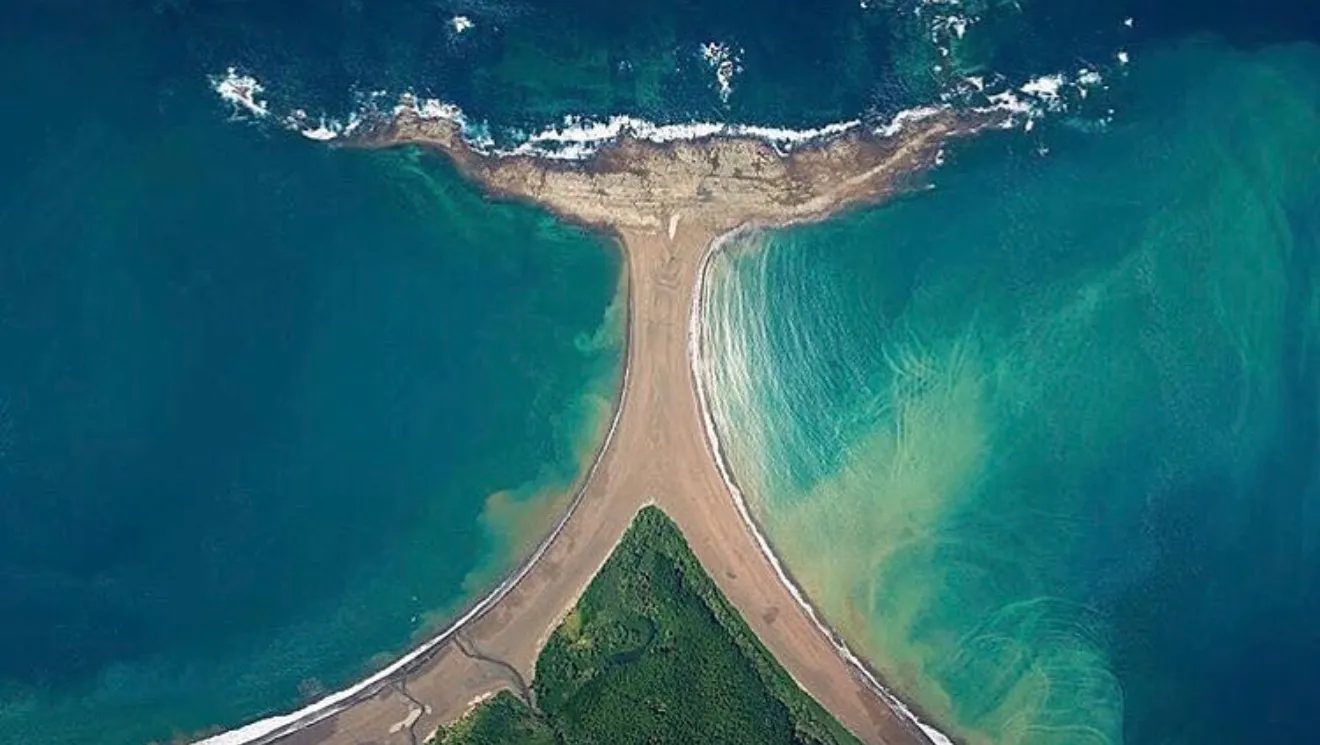
Marino Ballena National Park is one of the main reasons travelers visit the area. The coastline around Uvita is also associated with whale watching and other ocean activities, while nearby natural areas provide additional opportunities for exploring beaches, waterfalls and tropical landscapes.
Uvita can also be useful for travelers who do not want to stay in only one destination. Its location allows visitors to combine the area with Manuel Antonio, Sierpe, Drake Bay and the Osa Peninsula as part of a longer Costa Rica travel planning itinerary.
How to Get to Uvita Costa Rica
How to get to Uvita depends on where the traveler begins the trip. Many international visitors arrive through San Jose Airport and continue toward the Pacific coast by ground transportation.
Travelers already staying in Manuel Antonio or the Quepos area can continue south to Uvita as part of a multi-destination itinerary. Travelers heading toward Sierpe, Drake Bay or Puerto Jimenez can also use Uvita as a logical stop before continuing farther south.
Road conditions, traffic, weather, flight arrival times and hotel location can affect the travel day. For this reason, transportation should be organized around the complete itinerary rather than based only on the destination name.
Best Airport for Uvita Costa Rica
San Jose Airport, officially Juan Santamaria International Airport, is commonly the strongest international airport choice for Uvita Costa Rica.
SJO serves the San Jose and Central Valley area and provides ground transportation access toward the Central and Southern Pacific coast. Travelers arriving at SJO can continue directly to Uvita or include another destination such as Manuel Antonio before traveling farther south.
Liberia Airport mainly serves Guanacaste and many destinations in northern Costa Rica. It can still be part of a larger itinerary, but travelers whose primary destination is Uvita will commonly find San Jose Airport more practical for their Costa Rica travel planning.
The best airport can ultimately depend on the entire itinerary, especially when a trip includes several regions rather than only Uvita.
Airport Transportation to Uvita
Airport transportation should be planned before arrival when possible, particularly for travelers landing at SJO and continuing directly to Uvita.
A pre-arranged airport transfer allows travelers to coordinate pickup with their flight arrival and continue toward their hotel without arranging long-distance transportation after landing.
Private transportation can be especially useful for families, groups, travelers carrying substantial luggage and passengers whose flight schedule does not match a shared shuttle departure. Door-to-door transportation also allows the trip to be organized around the exact hotel or accommodation location.
Travelers should allow flexibility when planning their arrival day because traffic, weather, road conditions and the location of the final accommodation can influence the total journey.
Private Transportation and Shared Shuttles to Uvita
Both private transportation and shared shuttle service can be useful for reaching Uvita Costa Rica.
Private transportation provides direct pickup and door-to-door service. It can be arranged from San Jose Airport, hotels and other destinations and is particularly practical for travelers with specific pickup times, families, groups or multi-stop itineraries.
A private transfer can also simplify connections between Uvita and other destinations because the transportation is planned around the traveler's itinerary rather than a fixed departure schedule.
Shared shuttles can be practical on established tourism corridors when the scheduled departure works with the travel plan. Travelers using a shared shuttle should consider pickup locations, departure times and whether the service connects conveniently with their flight or hotel schedule.
Costa Rica Shuttles can help travelers organize private transportation, shared shuttle service, airport transfers and long-distance transportation as part of a Southern Pacific itinerary.
Things to Do in Uvita Costa Rica
Nature and the Pacific coast are central to the Uvita experience.
Marino Ballena National Park is one of the best-known natural areas associated with Uvita. Travelers also visit the region for beach time, marine activities, wildlife experiences and access to the surrounding rainforest environment.
Whale watching is closely associated with the Uvita area, although wildlife sightings vary by season and natural conditions. Visitors interested in ocean activities should plan their itinerary according to local operating conditions and weather.
Uvita can also serve as a base for exploring nearby coastal communities and natural areas instead of changing hotels every day.
Where to Stay in Uvita
Accommodation in the Uvita area ranges from smaller local properties to vacation rentals and hotels surrounded by tropical vegetation.
The location of the accommodation matters when planning transportation. Properties can be spread across the wider area, and a hotel described as being in Uvita may not necessarily be located close to the center of town.
Travelers without a rental vehicle should consider access to restaurants, activities and pickup points before choosing where to stay. For private transportation, providing the exact hotel or accommodation location helps ensure that pickup and drop-off are planned correctly.
Travelers continuing to another destination should also consider the next travel day. A convenient location can make onward transportation toward Manuel Antonio, Sierpe or other Southern Pacific destinations easier to organize.
Best Time to Visit Uvita Costa Rica
The best time to visit Uvita depends on the type of trip and the traveler's preferences.
Costa Rica has seasonal weather patterns, but conditions vary by region. The Southern Pacific receives significant rainfall during the green season, creating a lush landscape while also making transportation planning more important.
Drier periods may provide more predictable conditions for beach activities and road travel, while the green season can bring heavier rainfall and changing road conditions.
Travelers visiting during wetter periods should leave additional flexibility in the itinerary, especially when connecting a flight, boat departure or long-distance ground transfer on the same day.
Wildlife and marine activity can also be seasonal, so travelers visiting Uvita for a specific nature experience should consider the timing of that activity separately from general weather planning.
Uvita and Manuel Antonio
Manuel Antonio and Uvita are a practical combination for a Pacific coast itinerary.
Manuel Antonio is north of Uvita and is commonly included before or after a stay in the Southern Pacific region. Travelers can move between the two destinations using private transportation or available shuttle services depending on the schedule.
Combining the destinations can help travelers experience different parts of the Pacific coast while continuing in one general direction rather than repeatedly returning to San Jose.
Uvita can then become the starting point for continuing toward Sierpe and areas farther south.
Uvita to Sierpe and Drake Bay Connections
Uvita is an important planning point for travelers continuing toward Sierpe and Drake Bay.
Sierpe is commonly used as a connection point for travelers heading toward Drake Bay. Because onward travel may involve schedules that are separate from the ground transportation portion of the trip, timing should be planned carefully.
Private transportation from Uvita to Sierpe can help travelers coordinate the road portion of the journey with their planned onward connection.
Travelers should avoid scheduling transportation based on assumptions about boat or other connection times. Confirming the relevant departure schedule before arranging the ground transfer helps reduce unnecessary complications.
Uvita to Puerto Jimenez and the Southern Pacific
Travelers exploring more of southern Costa Rica may continue from Uvita toward Puerto Jimenez and other destinations associated with the Osa Peninsula and Southern Pacific region.
These journeys require more planning than short local transfers. Hotel location, road conditions, weather and the next part of the itinerary should all be considered when arranging transportation.
Private long-distance transportation can be useful for travelers who want hotel pickup in Uvita and direct transportation toward their next destination.
For a multi-stop trip, it often makes sense to organize transportation as a sequence, such as San Jose Airport to Manuel Antonio, Manuel Antonio to Uvita, and then Uvita toward the Southern Pacific region.
Nearby Destinations to Uvita Costa Rica
Manuel Antonio is one of the most practical destinations to combine with Uvita because it is located farther north along the Pacific coast.
Sierpe is important for travelers planning onward connections toward Drake Bay, while Puerto Jimenez can be part of a broader Southern Pacific and Osa Peninsula itinerary.
San Jose is also relevant at the beginning or end of the trip because many international travelers use SJO for their flights into and out of Costa Rica.
Instead of treating every transfer as an independent trip, travelers can plan these destinations as part of one continuous route through the country.
Uvita Costa Rica Travel Tips
Confirm the exact location of your accommodation before arranging transportation because properties in the wider Uvita area can be spread out.
Plan airport transportation before arriving at SJO if Uvita is your first destination. This is particularly useful after a long international flight when travelers may not want to organize long-distance transportation at the airport.
If the trip continues to Sierpe, Drake Bay or another Southern Pacific destination, coordinate the transportation schedule with any onward departure requirements.
Weather can affect travel conditions, especially during wetter periods, so avoid building an itinerary with unnecessarily tight connections.
For multi-destination trips, arranging transportation around the complete route can be easier than making each transfer decision separately.
Frequently Asked Questions About Uvita Costa Rica
Where is Uvita Costa Rica?
Uvita is on the Southern Pacific coast of Costa Rica. It is south of Manuel Antonio and Quepos and north of Sierpe and destinations farther into southern Costa Rica.
What is the best airport for Uvita Costa Rica?
San Jose Airport, or SJO, is commonly the strongest international airport choice for travelers going to Uvita. The best airport can still depend on the rest of the itinerary.
How do I get from San Jose Airport to Uvita?
Travelers can use ground transportation from San Jose Airport to Uvita. Private transportation provides direct airport pickup and door-to-door service, while shared shuttle options may work when their schedules match the traveler's arrival plans.
Is private transportation available to Uvita?
Yes. Private transportation can be arranged between Uvita and airports, hotels and other Costa Rica destinations. It is useful for travelers who prefer direct pickup and a schedule planned around their itinerary.
Are shared shuttles available to Uvita?
Shared shuttle service can be available on common tourism routes. Travelers should check whether departure times and pickup locations work with their flights and accommodation schedule.
Can I travel from Manuel Antonio to Uvita?
Yes. Manuel Antonio and Uvita are commonly combined in Pacific coast itineraries. Private transportation and shuttle services can be used depending on the travel plan.
Can I travel from Uvita to Sierpe?
Yes. Uvita and Sierpe can be connected by ground transportation. Travelers continuing beyond Sierpe should coordinate their transfer with the schedule for the next portion of the journey.
Can Uvita be combined with Drake Bay?
Yes. Uvita can be included in an itinerary that continues toward Sierpe and Drake Bay. Transportation and onward connection times should be coordinated in advance.
Can I travel from Uvita to Puerto Jimenez?
Uvita and Puerto Jimenez can be included in the same Southern Pacific itinerary. Private transportation can be useful for long-distance hotel-to-hotel travel.
What is the best time to visit Uvita?
The best time depends on weather preferences, activities and the reason for visiting. Travelers should consider seasonal rainfall as well as the timing of specific marine or wildlife activities.
Is Uvita a good destination for a multi-stop Costa Rica trip?
Yes. Its location makes Uvita useful for itineraries connecting San Jose, Manuel Antonio, Sierpe, Drake Bay, Puerto Jimenez and other Southern Pacific destinations.
Plan Transportation for Uvita Costa Rica
Uvita Costa Rica works well as both a destination and a strategic stop in a Southern Pacific itinerary. Travelers can combine beaches, nature and marine activities with onward travel toward Manuel Antonio, Sierpe, Drake Bay, Puerto Jimenez and other parts of southern Costa Rica.
For international visitors, San Jose Airport is commonly the strongest airport choice, and planning airport transportation before arrival can make the first travel day easier to organize.
Costa Rica Shuttles can assist with private transportation, shared shuttle service, airport transfers, hotel pickup and door-to-door transportation to Uvita and other destinations across Costa Rica. Planning the full route in advance is especially useful for travelers combining Uvita with several stops along the Pacific coast.