
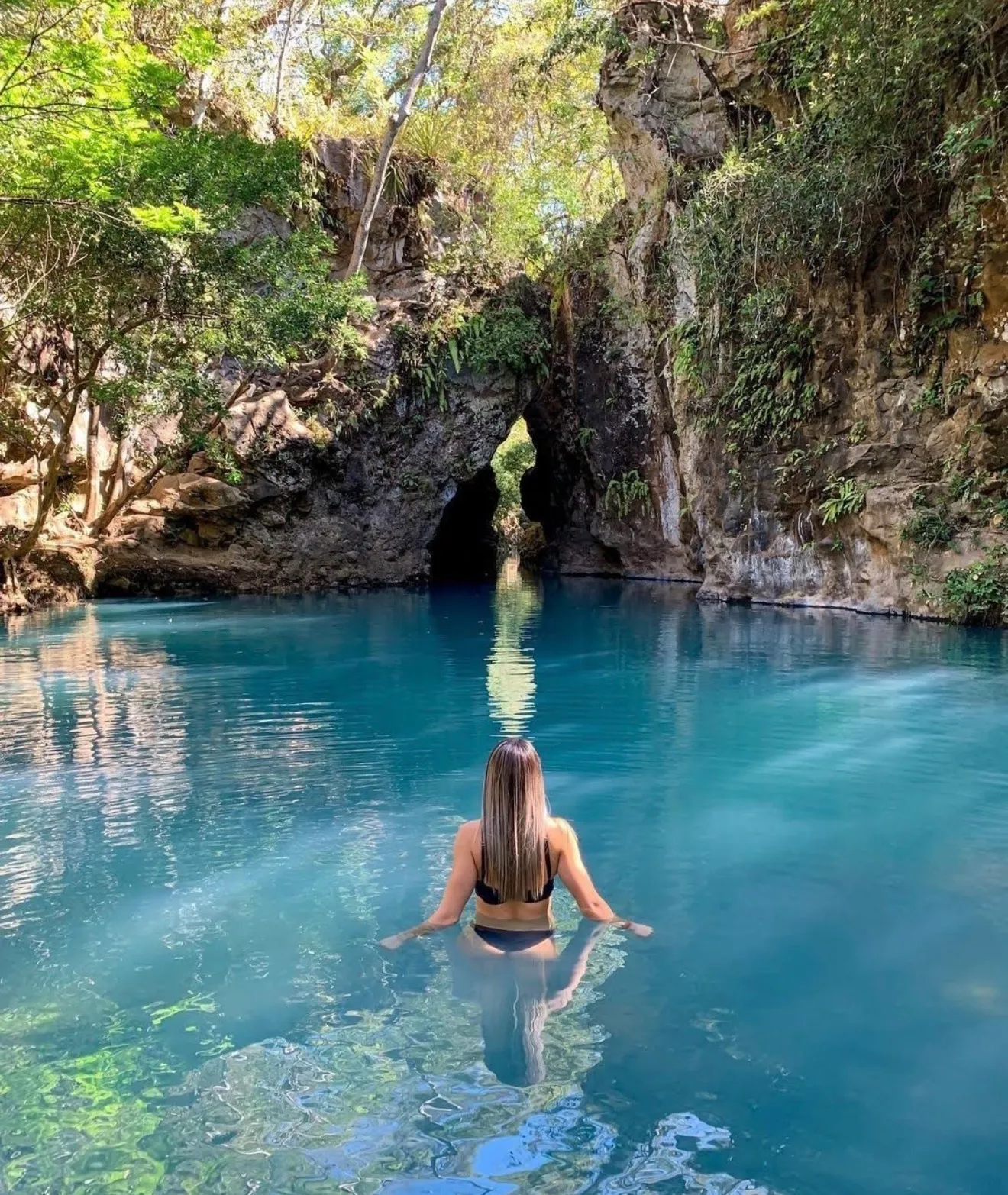
Tenorio Volcano National Park Travel Guide
Tenorio Volcano National Park is famous for Río Celeste, a brilliant turquoise river surrounded by rainforest, waterfalls, and volcanic landscapes in northern Costa Rica.
Tenorio Volcano National Park Travel Guide
Overview
Tenorio Volcano National Park is one of Costa Rica’s most unique natural destinations, known primarily for the stunning turquoise waters of Río Celeste. Located in the northern region of the country, the park protects a mountainous rainforest landscape shaped by volcanic activity, rivers, waterfalls, and geothermal features.
While many travelers come specifically to see Río Celeste, the park offers much more than its famous blue river. Dense tropical forest, abundant wildlife, steaming volcanic vents, and scenic hiking trails create an immersive nature experience that feels far more remote than some of Costa Rica’s better-known parks.
For visitors exploring the northern part of the country, Tenorio Volcano National Park is often considered one of the most memorable stops in a Costa Rica travel itinerary thanks to its dramatic scenery and unique geological phenomena.
Location
Tenorio Volcano National Park is located in northern Costa Rica, spanning parts of the Alajuela and Guanacaste provinces. The park surrounds Tenorio Volcano, which rises to approximately 1,916 meters above sea level and forms part of the Guanacaste mountain range.
The most common gateway to the park is the small rural community of Río Celeste in the district of Katira. The town of Bijagua is another nearby base for travelers and is located between the larger destinations of La Fortuna and Liberia.
Because of its location between several major travel routes, Tenorio Volcano National Park is often visited as a day trip from La Fortuna or as part of a northern Costa Rica road trip connecting the Arenal region with the Guanacaste coast.
Wildlife / Attractions
The park protects a large area of tropical rainforest that supports a wide variety of plant and animal life. The forest here is part of a biological corridor connecting different ecosystems across northern Costa Rica, making it an important habitat for wildlife.
Visitors may encounter monkeys, coatis, armadillos, reptiles, and amphibians along the trails. Birdwatchers are especially drawn to the park because of its rich bird diversity, including toucans, trogons, motmots, and many other tropical species.
The most famous natural attraction in the park is Río Celeste, a river known for its striking sky-blue color. This unusual color appears when two clear streams meet and trigger a natural chemical reaction involving volcanic minerals suspended in the water. The result is a bright turquoise river that looks almost unreal against the deep green rainforest.
Another major attraction is Tenorio Volcano itself. Although the volcano is largely hidden by forest and cloud cover, it contributes to the geothermal activity that shapes the park’s landscape, including hot springs, gas vents, and mineral-rich rivers.
Beaches / Highlights
Although Tenorio Volcano National Park is located inland and does not have beaches, it features several highlights that make it one of the most visually spectacular parks in Costa Rica.
The most famous highlight is Río Celeste Waterfall. This waterfall drops dramatically into a pool of brilliant blue water surrounded by thick rainforest. It is one of the most photographed natural landmarks in the country.
Another highlight is the section of the trail where the two rivers merge to create Río Celeste. This point, known as “Los Teñideros,” is where the magical blue color forms. Seeing this natural phenomenon up close is one of the main reasons travelers visit the park.
The park also contains bubbling volcanic vents and areas where geothermal gases escape from the earth. These features remind visitors that the landscape is still influenced by volcanic activity beneath the surface.
The surrounding rainforest scenery, with hanging vines, giant trees, and misty forest trails, adds to the overall experience and makes the hike feel like a true jungle adventure.
Trails and Activities
The main activity in Tenorio Volcano National Park is hiking the Río Celeste Trail, a loop route that takes visitors through the rainforest to the park’s most important natural attractions.
The hike typically includes several key stops along the way. Early in the trail visitors reach the Río Celeste Waterfall, where a viewing platform provides a clear view of the vibrant blue cascade.
Continuing along the trail leads deeper into the forest toward volcanic features such as bubbling mud pots and geothermal vents. These areas reveal the volcanic forces that influence the park’s environment.
Farther along the trail is the point where two clear rivers meet to create the famous turquoise color of Río Celeste. This location is one of the most fascinating geological sights in Costa Rica.
The hike itself is moderately challenging due to uneven terrain, roots, and occasional muddy conditions. However, most visitors with reasonable fitness levels can complete the trail comfortably.
Wildlife observation, birdwatching, and photography are also popular activities in the park. The rainforest environment provides opportunities to see tropical birds, butterflies, and other animals along the trail.
Best Time to Visit
Tenorio Volcano National Park can be visited throughout the year, but weather conditions play an important role in the experience.
The dry season, generally from December through April, tends to offer the best trail conditions and easier hiking. During this period there is usually less rain, which can make the paths less muddy and more accessible.
However, the rainy season from May through November can also be rewarding. The forest becomes extremely lush, and waterfalls and rivers are often at their most powerful. The vibrant vegetation during this season adds to the dramatic scenery of the park.
One important consideration is water clarity. Heavy rain can temporarily reduce the bright blue color of Río Celeste because sediment mixes into the river. For the best chance of seeing the famous turquoise color, visiting after several hours of dry weather is ideal.
Morning visits are generally recommended because the park is cooler and less crowded earlier in the day.
Travel Logistics
Most visitors reach Tenorio Volcano National Park through the Río Celeste ranger station near the village of Río Celeste.
The park is commonly visited from several nearby destinations. La Fortuna is roughly a 1.5 to 2 hour drive away, while Liberia is also within reasonable driving distance, making the park accessible from the Guanacaste coast.
Travelers often combine a visit to the park with other attractions in northern Costa Rica, such as Lake Arenal, the Arenal Volcano region, or the wildlife areas around Bijagua.
Road access to the park is generally manageable, although the final sections may include rural roads. A vehicle with higher clearance can be helpful, especially during the rainy season.
Because the park is a protected area, visitors typically enter through designated entrances and follow the established trail system designed to protect the rainforest ecosystem.
Visitor Tips
Arrive early in the morning to enjoy cooler temperatures and fewer crowds on the trails.
Wear sturdy hiking shoes because the path can be muddy, uneven, and slippery.
Bring rain protection since weather in the rainforest can change quickly.
Avoid swimming in Río Celeste inside the national park, as the river is protected and swimming is not allowed in this section.
Carry water, insect repellent, and sun protection for the hike.
Be patient when looking for wildlife, as many animals remain hidden in the dense forest canopy.
Why It Is Famous
Tenorio Volcano National Park is famous for Río Celeste, one of the most visually striking rivers in the world. Its bright turquoise color appears almost unreal and has become one of Costa Rica’s most iconic natural sights.
The park is also known for its pristine rainforest environment and geothermal features created by the Tenorio Volcano. The combination of volcanic activity, tropical forest, waterfalls, and wildlife creates a landscape unlike any other national park in the country.
Because of these features, the park has become one of the most popular eco-tourism destinations in northern Costa Rica and a highlight for travelers seeking unique natural phenomena.
Conclusion
Tenorio Volcano National Park offers one of the most unforgettable nature experiences in Costa Rica. From the magical blue waters of Río Celeste to the dense rainforest and geothermal landscapes, the park showcases the powerful connection between volcanic activity and tropical ecosystems.
For travelers looking to explore beyond the country’s beaches and experience one of its most extraordinary natural wonders, Tenorio Volcano National Park is an essential destination.
Frequently Asked Questions
Is Tenorio Volcano National Park worth visiting?
Yes. The park is home to Río Celeste, one of the most unique and visually stunning natural attractions in Costa Rica.
Where is Tenorio Volcano National Park located?
It is located in northern Costa Rica between the regions of La Fortuna and Liberia.
How long is the Río Celeste hike?
The main trail is several kilometers long and usually takes a few hours to complete depending on pace and stops.
Why is Río Celeste blue?
The color forms when two rivers mix and trigger a natural chemical reaction involving volcanic minerals suspended in the water.
Can you swim in Río Celeste?
Swimming is not allowed in the river within the national park boundaries.