
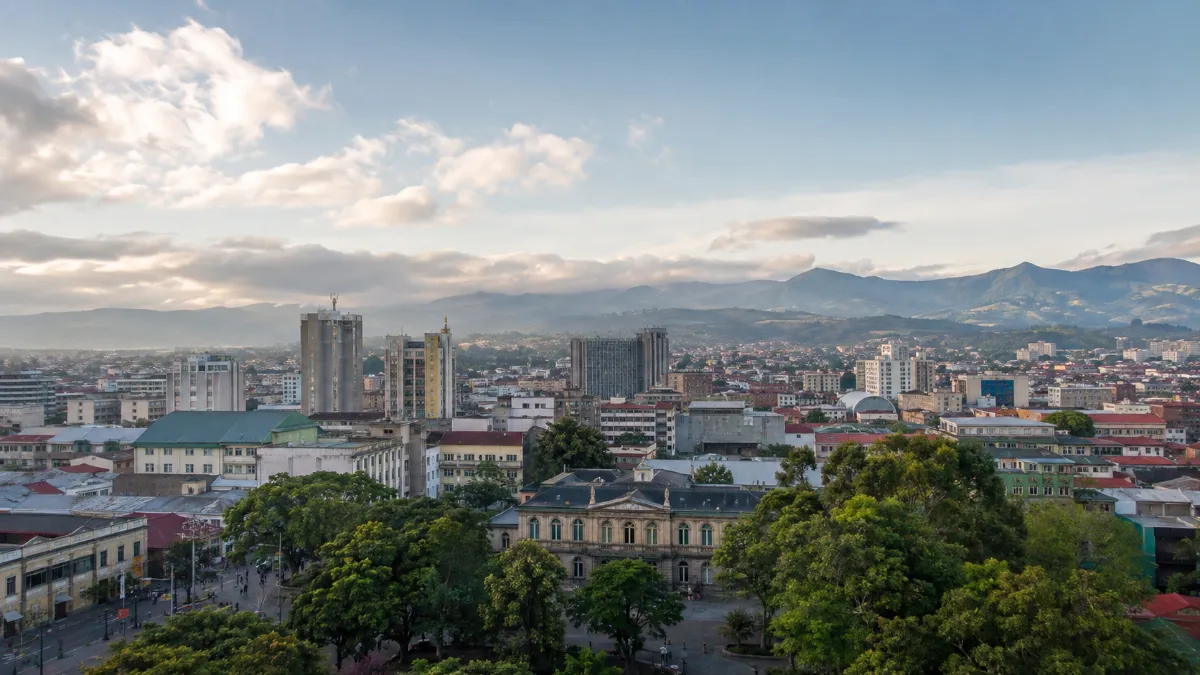
San Jose Travel Guide
Complete San José, Costa Rica travel guide covering attractions, museums, markets, weather, transportation, airport access, day trips, visitor tips, and onward destinations.
San Jose Costa Rica Travel Guide
Overview
San Jose, Costa Rica is the country's capital and one of its most important cultural, government, business, and transportation centers.
Many international travelers use the San Jose metropolitan area as the beginning or end of a larger Costa Rica itinerary. However, the city itself offers museums, historic buildings, markets, restaurants, parks, theaters, and access to coffee-growing areas throughout the Central Valley.
San Jose is very different from Costa Rica's beach and rainforest destinations. Its main attractions focus on history, culture, architecture, food, local life, and urban experiences.
For most leisure travelers, one or two days provides enough time to explore the main attractions before continuing toward destinations such as La Fortuna, Monteverde, Manuel Antonio, the Caribbean coast, or the Pacific.
Quick Answer
San Jose is worth visiting if you are interested in:
Costa Rican history
Museums
Architecture
Local markets
Food and coffee
Cultural attractions
Central Valley day trips
The city also works well as a transportation hub before or after international flights.
Travelers should remember that Juan Santamaría International Airport (SJO) is located in Alajuela, not downtown San Jose. Transportation between the airport and the city should therefore be planned separately.
Where Is San Jose?
San Jose is located in Costa Rica's Central Valley, surrounded by mountains and elevated landscapes.
The metropolitan region connects with Alajuela, Heredia, Escazú, Santa Ana, and other Central Valley communities.
Its central location makes San Jose a practical starting point for travel toward many regions of the country.
Popular onward destinations include:
La Fortuna and Arenal Volcano
Monteverde
Jacó
Manuel Antonio
Puerto Viejo
Tortuguero connection points
Uvita and the South Pacific
Guanacaste
Travelers can explore available Costa Rica airport transfers and transportation routes when planning connections before or after a stay in the capital.
Things to Do in San Jose Costa Rica
Visit the National Theatre
The National Theatre of Costa Rica is one of the best-known architectural and cultural landmarks in San Jose.
Located beside Plaza de la Cultura, the theater is known for its historic interior, artwork, decorative details, and cultural importance.
Its central location makes it easy to combine with museums and downtown sightseeing.
Explore the Pre-Columbian Gold Museum
The Pre-Columbian Gold Museum is located beneath Plaza de la Cultura.
Its exhibits focus on gold artifacts and the indigenous cultures that created them.
It is a useful introduction to Costa Rica's pre-Columbian history and can easily be combined with the National Theatre.
Visit the Jade Museum
The Jade Museum contains an important collection of pre-Columbian jade and archaeological objects.
Visitors can learn about indigenous societies, symbolism, art, trade, and daily life before European colonization.
Discover the National Museum
The National Museum of Costa Rica provides a broader overview of the country's history.
Its exhibits cover archaeology, colonial history, independence, culture, and national development.
For first-time visitors interested in understanding Costa Rica beyond beaches and wildlife, it is one of the city's most useful cultural stops.
Explore the Central Market
The Mercado Central de San José provides a more everyday look at city life.
Visitors can find:
Traditional food
Coffee
Small restaurants
Local products
Souvenirs
Herbs and spices
Everyday shops
The market is busy and compact, so visitors should keep personal belongings secure while exploring.
Walk Through Downtown San Jose
Many major cultural attractions are concentrated around the central area.
A daytime walking route can include:
National Theatre
Plaza de la Cultura
Gold Museum
Central Market
Jade Museum
National Museum
Pedestrian streets and plazas
Walking works best within the main central sightseeing area. Transportation is more practical for longer distances or unfamiliar neighborhoods.
Visit La Sabana Metropolitan Park
La Sabana is one of San Jose's largest urban parks.
It provides green space for walking, exercise, recreation, and relaxation away from the denser downtown streets.
The surrounding La Sabana, Rohrmoser, and Paseo Colón areas also contain hotels, restaurants, offices, and important transportation corridors.
Try Costa Rican Food and Coffee
San Jose is a good place to explore Costa Rican food beyond resort restaurants.
Visitors can try:
Gallo pinto
Casado
Traditional soups
Tropical fruit
Local pastries
Costa Rican coffee
Traditional sodas, markets, cafés, and neighborhood restaurants can provide a more local experience.
Take a Coffee Tour
The Central Valley contains several important coffee-growing areas.
Popular regions near San Jose include:
Heredia
Santa Bárbara
Alajuela
Grecia
Naranjo
Coffee tours may include plantation walks, explanations of cultivation and processing, roasting demonstrations, and tastings.
These excursions are particularly convenient for travelers who want a half-day cultural experience outside the city.
Day Trips from San Jose
San Jose can be used as a base for selected Central Valley excursions.
Depending on weather, traffic, and available time, travelers can visit:
Coffee plantations
Mountain communities
Gardens
Waterfalls
Volcano areas
Rural towns
Scenic viewpoints
Long-distance destinations should not automatically be treated as day trips.
For example, travelers planning to visit Arenal Volcano and hot springs should consider staying overnight and using the La Fortuna Costa Rica Travel Guide to organize that portion of the itinerary.
The same applies to the cloud forest region. Visitors continuing into the mountains can review the Monteverde Costa Rica Travel Guide.
San Jose City vs. San Jose Airport
This distinction is important when planning a Costa Rica trip.
San Jose Airport (SJO) is not located in downtown San Jose.
Juan Santamaría International Airport is physically located in Alajuela, west of the capital.
This affects:
Hotel selection
Airport transfers
Rental car pickup
Travel time
Shared shuttle meeting points
Departure-day planning
Travelers with an early international flight may prefer an airport-area hotel, while visitors interested in museums and downtown attractions may prefer staying closer to central San Jose or La Sabana.
Transportation in San Jose
San Jose is one of Costa Rica's main transportation hubs.
Travel options include:
Private transportation
Shared shuttles
Authorized taxis
Public buses
Rental cars
Domestic air connections
Private transportation is useful for direct hotel-to-hotel or airport connections.
Shared shuttles work well for travelers continuing to established tourism destinations according to fixed schedules.
Public buses connect San Jose with many areas of Costa Rica but require more planning, especially with luggage.
Renting a Car
A rental car is not necessary for a short downtown stay.
However, it can be useful when San Jose is the starting point for a multi-destination road trip.
Travelers collecting a vehicle after arriving internationally should review the San Jose Airport Car Rental Guide.
When selecting a vehicle, consider the complete itinerary rather than only driving conditions in San Jose.
Mountain destinations, rural hotels, unpaved access roads, luggage, and the number of passengers can all influence vehicle choice.
Best Time to Visit San Jose
San Jose can be visited throughout the year.
December to April
The Central Valley generally experiences drier conditions during this period.
Visitors may find:
Less rainfall
Easier walking conditions
More predictable outdoor sightseeing
This is also a popular tourism season.
May to November
The green season brings more frequent rain, often later in the day.
Museums, markets, restaurants, theaters, and other indoor attractions remain easy to visit.
Morning sightseeing can work particularly well during wetter periods.
How Long Should You Stay in San Jose?
For most vacation itineraries, one or two days is sufficient.
One full day can cover several major downtown attractions.
Two days allow additional time for:
Museums
La Sabana
Restaurants
Coffee tours
Central Valley excursions
Travelers arriving late or departing early may also use the city or airport area as a practical first or final overnight stop.
Visitor Tips
For a smoother stay in San Jose:
Allow extra time for traffic
Explore unfamiliar areas during daylight
Keep valuables secure in crowded locations
Use arranged or authorized transportation
Confirm whether your hotel is downtown or in another metropolitan district
Do not confuse San Jose city with SJO Airport
Reserve long-distance transportation in advance
Avoid scheduling tight connections after long transfers
Ask your hotel about appropriate nearby walking areas
San Jose is a working metropolitan area, so normal urban awareness is recommended.
Is San Jose Worth Visiting?
Yes, particularly for travelers interested in understanding Costa Rica beyond its natural attractions.
San Jose provides access to:
National history
Museums
Architecture
Food
Coffee culture
Local markets
Performing arts
Daily urban life
It also works naturally as the beginning or end of a multi-destination Costa Rica itinerary.
Frequently Asked Questions
What is San Jose Costa Rica known for?
San Jose is known as Costa Rica's capital and cultural center, with museums, government institutions, historic architecture, markets, theaters, restaurants, and transportation connections.
How many days should you spend in San Jose?
One or two days is enough for most leisure travelers.
Is San Jose Airport in San Jose?
No. Juan Santamaría International Airport (SJO) is located in Alajuela, west of downtown San Jose.
Is San Jose walkable?
The central sightseeing area is relatively walkable during the day. Transportation is more convenient for longer distances and attractions outside downtown.
Are there beaches in San Jose?
No. San Jose is an inland Central Valley destination.
Visitors can continue toward Pacific destinations such as Jacó and Manuel Antonio or toward the Caribbean coast.
Do you need a rental car in San Jose?
Not for a short city stay. A rental car is more useful when San Jose is the starting point for a larger self-drive itinerary.
Can you take shuttles from San Jose to other destinations?
Yes. Private and shared transportation connect the San Jose and SJO areas with many tourism destinations throughout Costa Rica.
Is San Jose worth staying overnight?
Yes. An overnight stay can be useful after a late international arrival, before an early departure, or for travelers interested in museums, markets, restaurants, and Central Valley attractions.
Conclusion
San Jose, Costa Rica is more than a transportation stop.
The capital offers museums, historic buildings, markets, parks, restaurants, coffee culture, and a look at Costa Rican city life that travelers do not experience in beach or rainforest destinations.
Most visitors can explore the highlights in one or two days before continuing to La Fortuna, Monteverde, Manuel Antonio, the Caribbean coast, or another region.
The key logistical detail is remembering that downtown San Jose and SJO Airport are separate locations. Planning accommodations and transportation around that distinction can make the beginning or end of a Costa Rica trip considerably easier.