Rio Celeste Travel Guide
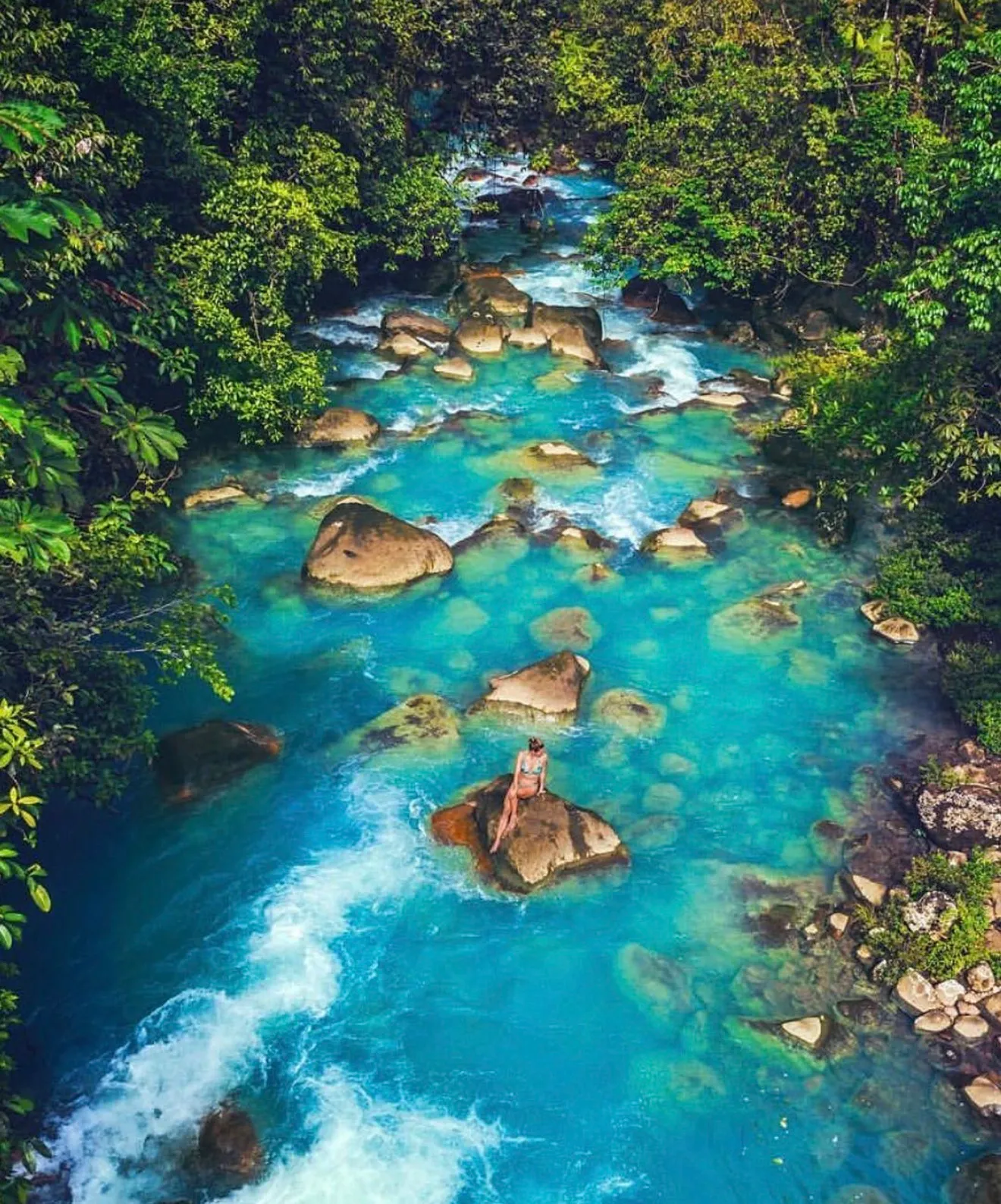
Rio Celeste is a famous turquoise-blue river in Tenorio Volcano National Park known for its dramatic waterfall, rainforest hiking trails, and unique mineral reaction that creates its vibrant color.
Rio Celeste Travel Guide
Overview
Rio Celeste is one of Costa Rica’s most extraordinary natural attractions, famous for its striking turquoise-blue water that flows through the rainforest of Tenorio Volcano National Park. The river’s vibrant color appears almost unreal, creating one of the most photographed landscapes in the country.
Located in northern Costa Rica, Rio Celeste winds through dense tropical forest before cascading down a dramatic waterfall surrounded by lush vegetation. The unique coloration of the water results from a natural chemical reaction between volcanic minerals that occurs where two clear rivers merge deep inside the national park.
Visitors come to Rio Celeste to hike through rainforest trails, observe wildlife, and witness the vivid blue river and waterfall firsthand. The experience combines geological curiosity, biodiversity, and scenic beauty, making Rio Celeste one of the most memorable destinations in Costa Rica.
Location
Rio Celeste is located within Tenorio Volcano National Park in northern Costa Rica. The park sits in the Alajuela Province near the border with Guanacaste Province.
The river flows from the slopes of Tenorio Volcano, a stratovolcano surrounded by dense tropical rainforest and volcanic terrain. The surrounding landscape is characterized by thick jungle vegetation, mineral-rich streams, and humid forest ecosystems.
Rio Celeste lies roughly two to three hours from the town of La Fortuna and about four hours from San José by car. The area remains relatively remote compared to some of Costa Rica’s more developed tourist destinations.
Because the river is located inside a protected national park, visitors access it through hiking trails that lead through primary and secondary rainforest.
Wildlife / Attractions
Tenorio Volcano National Park is home to a wide variety of wildlife thanks to its dense rainforest and protected environment.
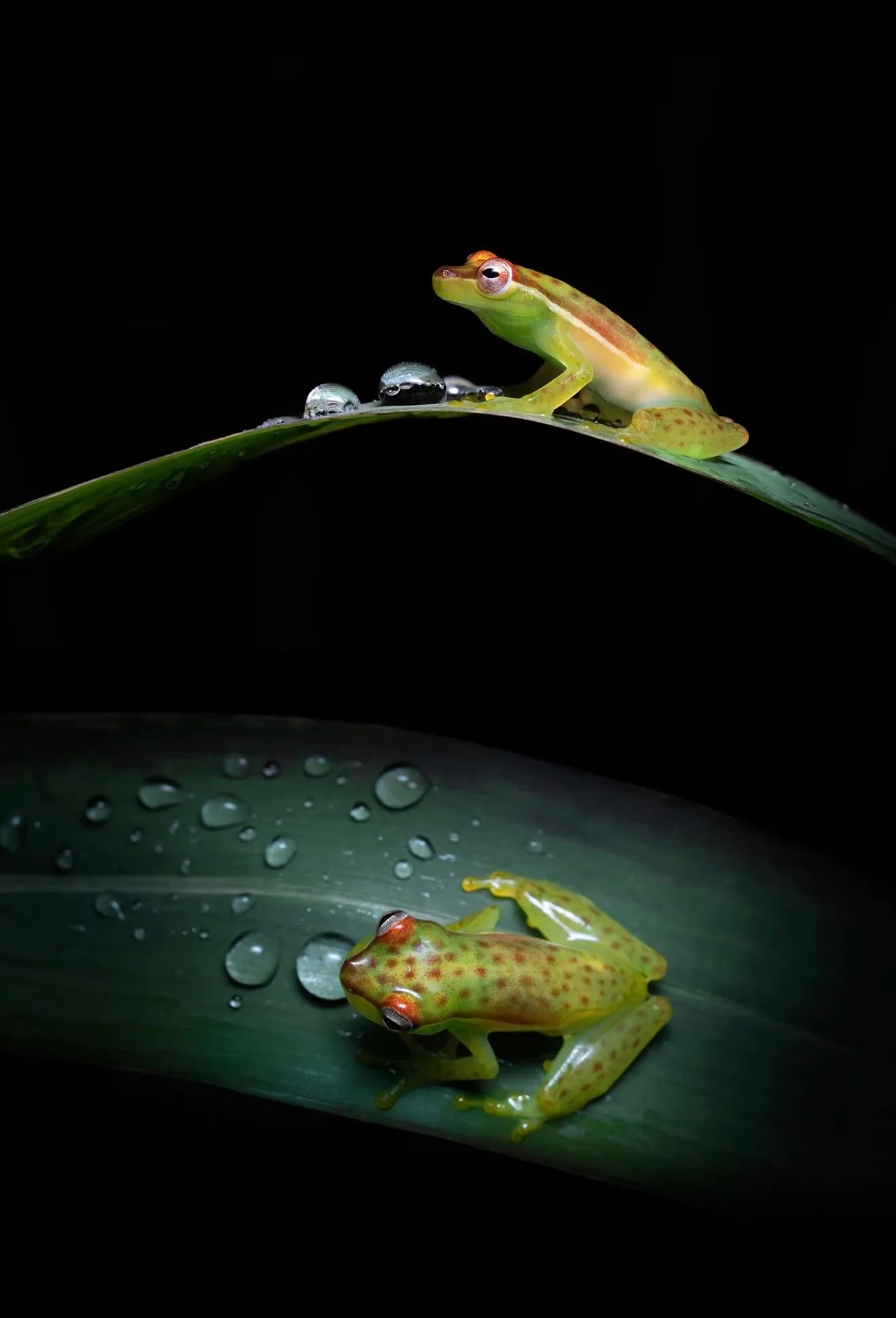
Visitors hiking through the park may encounter monkeys, coatis, sloths, and a variety of reptiles and amphibians. The humid forest environment supports numerous species of frogs, including brightly colored poison dart frogs.
Birdlife in the area is particularly impressive. Tropical species such as toucans, motmots, trogons, and hummingbirds inhabit the forest canopy and are often spotted along the park’s trails.
The main attraction of the park, however, is the river itself. Rio Celeste’s vivid blue color results from a natural chemical process that occurs at a location known as “Los Teñideros.” At this point, two clear rivers merge and create a reaction involving dissolved volcanic minerals, which produces the river’s distinctive turquoise appearance.
Another highlight of the park is the Rio Celeste Waterfall, a powerful cascade where the bright blue water plunges into a jungle pool surrounded by dense vegetation.
The river also flows past bubbling hot springs and mineral-rich streams that reveal the volcanic activity beneath the region.
Beaches / Highlights
Although Rio Celeste is located inland and does not have ocean beaches, the river and surrounding landscape provide several natural highlights.
The most famous feature is Rio Celeste Waterfall. The waterfall drops dramatically into a vibrant blue pool surrounded by rainforest cliffs. The contrast between the bright water and lush green jungle creates one of the most striking scenes in Costa Rica.
Another highlight is Los Teñideros, the location where two clear rivers merge to form the blue color of Rio Celeste. Visitors can observe this natural phenomenon from a viewpoint along the trail.
The river itself flows through the forest in twisting sections where the bright turquoise water contrasts with dark volcanic rock and tropical vegetation.
Other features within the park include bubbling mineral springs and scenic jungle viewpoints along the hiking trail.
Together, these natural highlights make Rio Celeste one of the most visually unique destinations in Costa Rica.
Trails and Activities
The main activity at Rio Celeste is hiking through Tenorio Volcano National Park to explore the river and its natural features.
The primary trail leads visitors through dense rainforest to several key viewpoints along the river. The hike includes forest paths, wooden bridges, and staircases that descend to the waterfall viewpoint.
One of the most memorable stops along the trail is the viewpoint overlooking Rio Celeste Waterfall. Visitors can observe the brilliant blue water cascading into the pool below while surrounded by dense jungle vegetation.
Continuing along the trail leads to Los Teñideros, where the two rivers merge to create the chemical reaction responsible for the river’s color.
Other sections of the trail pass by mineral springs and forested areas where wildlife sightings are possible.
Because the park’s trails pass through pristine rainforest, the hike provides opportunities to observe birds, insects, and other tropical wildlife along the way.
The experience combines geological curiosity, natural beauty, and rainforest exploration in a single visit.
Best Time to Visit
Rio Celeste can be visited throughout the year, but weather conditions can influence the appearance of the river.
The dry season typically runs from December through April and generally offers the best conditions for seeing the river’s bright blue color. Clearer weather and lower rainfall reduce the chance of sediment entering the water.
During the green season from May through November, rainfall becomes more frequent and the river can occasionally appear less vibrant if heavy rain disturbs the mineral balance in the water.
Morning visits are often recommended because cloud cover and rain showers are more likely to develop later in the day.
Because the region receives significant rainfall throughout the year, visitors should be prepared for muddy trails and humid conditions regardless of the season.
Travel Logistics
Rio Celeste is accessed through Tenorio Volcano National Park via a park entrance near the rural communities surrounding the volcano.
Travelers typically reach the park by car from destinations such as La Fortuna, Bijagua, or other towns in northern Costa Rica. The drive often involves rural roads passing through farmland and forested landscapes.
The closest town to the park entrance is Bijagua, which serves as a small gateway community for visitors exploring the area.
The hike through the park follows a marked trail that leads to the main attractions including the waterfall and Los Teñideros.
Because the park is located in a relatively remote region, visitors often combine a trip to Rio Celeste with other destinations in northern Costa Rica such as Arenal or Monteverde.
Allowing several hours for the visit ensures enough time to hike the trails and enjoy the natural scenery.
Visitor Tips
Visitors should wear sturdy hiking shoes because the trail can become muddy or slippery, especially after rainfall.
Lightweight rain gear is recommended since weather conditions can change quickly in the rainforest.
Carrying water and staying hydrated is important due to the humid tropical climate.
Early morning visits are often the best way to experience the park before larger crowds arrive and before afternoon rain showers begin.
Visitors should remain on marked trails and avoid entering the river, as swimming is not permitted in order to protect the fragile ecosystem.
Bringing a camera is highly recommended, as Rio Celeste’s vibrant color and rainforest surroundings create spectacular photo opportunities.
Why It Is Famous
Rio Celeste is famous for its extraordinary bright blue water, which appears almost surreal as it flows through the rainforest.
The unique coloration is caused by a natural chemical reaction involving volcanic minerals that occurs where two rivers meet within Tenorio Volcano National Park.
This rare natural phenomenon has made Rio Celeste one of the most photographed rivers in Costa Rica and one of the country’s most recognizable natural attractions.
Combined with the dramatic waterfall and surrounding rainforest, the river represents one of the most visually stunning landscapes in the country.
Because of its unique color and protected environment, Rio Celeste has become a must-see destination for travelers exploring northern Costa Rica.
Conclusion
Rio Celeste offers one of the most unforgettable natural experiences in Costa Rica. The brilliant turquoise river, dramatic waterfall, and surrounding rainforest create a landscape unlike any other in the country.
Visitors can hike through tropical forest, observe wildlife, and witness the fascinating natural process that produces the river’s vivid blue color.
For travelers seeking a destination that combines geological wonder, biodiversity, and scenic beauty, Rio Celeste remains one of Costa Rica’s most remarkable natural treasures.
Frequently Asked Questions
Where is Rio Celeste located?
Rio Celeste is located inside Tenorio Volcano National Park in northern Costa Rica near the town of Bijagua.
Why is Rio Celeste blue?
The blue color is created by a natural chemical reaction involving volcanic minerals when two clear rivers merge.
Can you swim in Rio Celeste?
Swimming is not allowed in order to protect the river and its fragile ecosystem.
How long is the Rio Celeste hike?
The main trail through Tenorio Volcano National Park typically takes several hours to complete depending on pace.
Is Rio Celeste worth visiting?
Yes. The bright turquoise river and waterfall make it one of the most unique natural attractions in Costa Rica.