Quepos Travel Guide
A practical Quepos travel guide covering airport access, the marina, accommodation areas, nearby Manuel Antonio, transportation, weather, and onward routes.
Quepos Costa Rica Travel Guide
Quepos is a coastal town on the Central Pacific side of Costa Rica and the main urban center beside Manuel Antonio. It serves as a transportation hub, service town, marina destination, and practical base for travelers visiting Manuel Antonio National Park and nearby beaches.
This Quepos travel guide explains where the town is located, why travelers stay there, how to get there, which airport to use, where to stay, and how private transportation and shared shuttle services connect Quepos with other Costa Rica destinations.
Quepos offers a different experience from the hillside hotels and beach areas of Manuel Antonio. The town has local businesses, restaurants, shops, transportation connections, waterfront areas, and access to Marina Pez Vela. Travelers can stay in Quepos and visit Manuel Antonio during the day, or use the town as a convenient stop before continuing toward Uvita and the Southern Pacific region.
Where Is Quepos Costa Rica?
Quepos is located in Puntarenas Province on the Central Pacific coast of Costa Rica. It sits beside the Manuel Antonio tourism area and provides the main local services for the surrounding region.
The town is reached by road from San Jose, Juan Santamaria International Airport, Jaco, Uvita, Dominical, La Fortuna, Monteverde, and other established destinations. Quepos La Managua Airport also provides regional access for travelers considering a domestic flight.
Quepos and Manuel Antonio are closely connected, but they are not the same place. Quepos is the town center, while Manuel Antonio extends along the coastal hillside toward the public beach and Manuel Antonio National Park.
This distinction matters when reserving a hotel or transportation. A property described as being in the Quepos and Manuel Antonio area may be located in the town, near the marina, along the hillside road, or closer to the national park entrance.
Why Visit Quepos?
Quepos is a useful destination for travelers who want access to the Central Pacific coast without staying entirely within the Manuel Antonio tourism area.
The town provides restaurants, shops, supermarkets, banks, local services, transportation connections, and access to the marina. It can be more convenient than a hillside hotel for visitors who want to walk to town services or organize onward transportation.
Quepos also works as a base for visiting Manuel Antonio National Park. Travelers can stay in town and arrange local transportation to the park, public beach, restaurants, and hotels along the Manuel Antonio road.
The marina area is another reason to visit. Marina Pez Vela is associated with boating, fishing, waterfront dining, and coastal excursions. Travelers joining an activity should confirm the exact meeting point because tours may depart from the marina rather than from a Manuel Antonio hotel.
Quepos can also serve as a transition point between the Central Pacific and Southern Pacific regions. Travelers continuing toward Dominical, Uvita, Sierpe, or other southern destinations often pass through or near the town.
Quepos and Manuel Antonio
Quepos and Manuel Antonio function together as one of the main tourism areas on the Central Pacific coast.
Quepos is the commercial and transportation center. Manuel Antonio is the coastal and hillside tourism zone known for its national park, beaches, forested hotels, ocean views, and wildlife.
Travelers staying in Quepos may have easier access to town services and the marina. They will normally need local transportation to reach Manuel Antonio National Park and some beach areas.
Travelers staying in Manuel Antonio may be closer to the national park, public beach, or hillside restaurants. However, they may need transportation to reach Quepos, the marina, shops, and regional bus connections.
The best place to stay depends on the itinerary. Visitors focused on the national park and beach may prefer Manuel Antonio, while travelers interested in town access, marina activities, transportation, or a more local setting may prefer Quepos.
Manuel Antonio National Park from Quepos
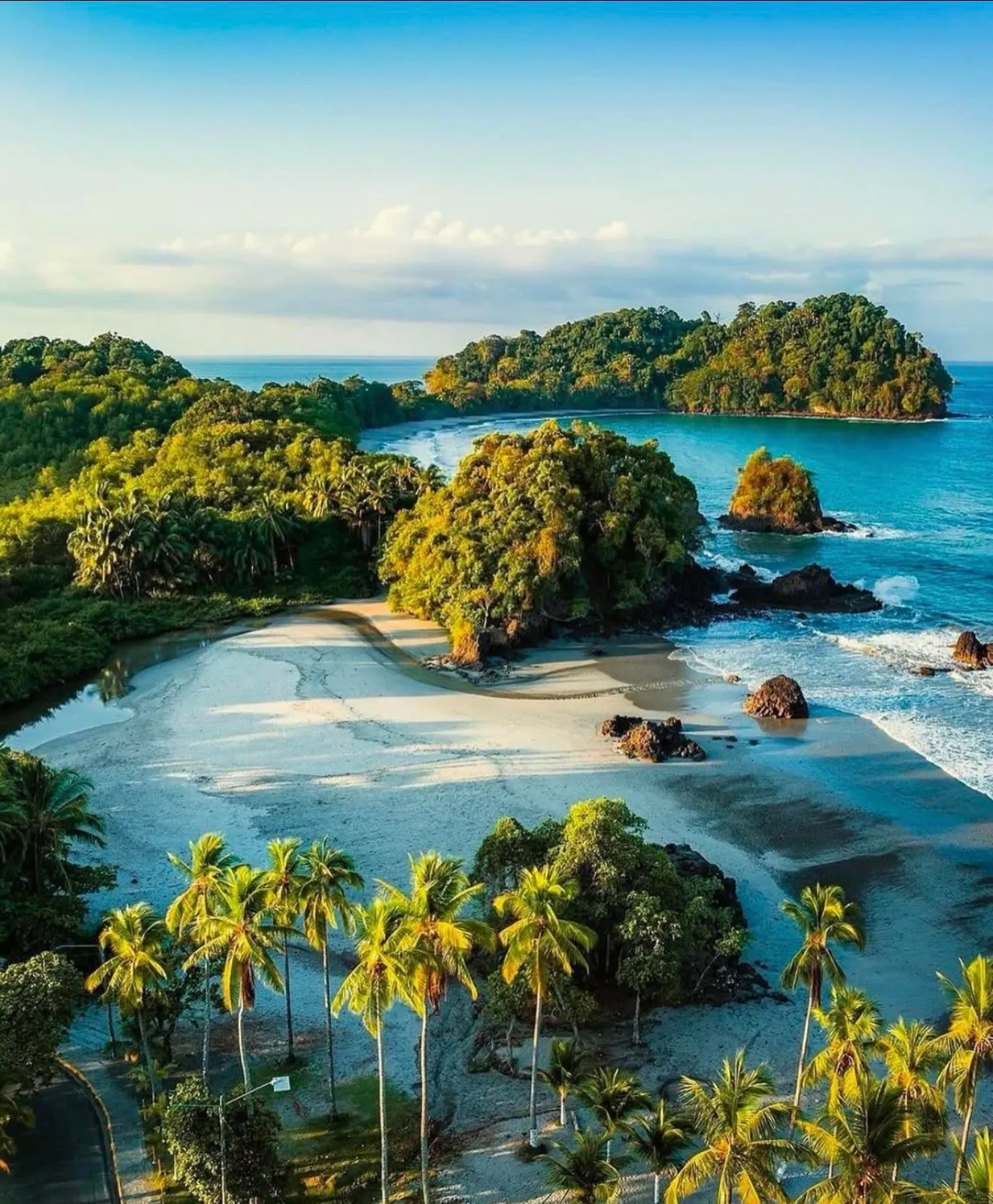
Manuel Antonio National Park is the main attraction near Quepos. The park protects rainforest, beaches, coastal scenery, and wildlife habitats.
Travelers staying in Quepos can reach the park by arranged transportation, taxi, local public transportation, or rental vehicle. The correct option depends on the hotel location, park entry time, group size, and return plans.
Visitors should confirm current national park ticket procedures, operating days, entrance rules, and permitted items before leaving the hotel. Park policies can change, and travelers should avoid depending on unofficial sellers near the entrance.
A guided visit may help travelers locate wildlife and understand the rainforest ecosystem. Independent visits are also possible for travelers who prefer to explore authorized trails at their own pace.
Visitors should leave enough time between the park visit and any airport transfer, shared shuttle, domestic flight, or long-distance transportation. Entry procedures, weather, walking pace, and the return to Quepos can all affect the schedule.
Marina Pez Vela and the Quepos Waterfront
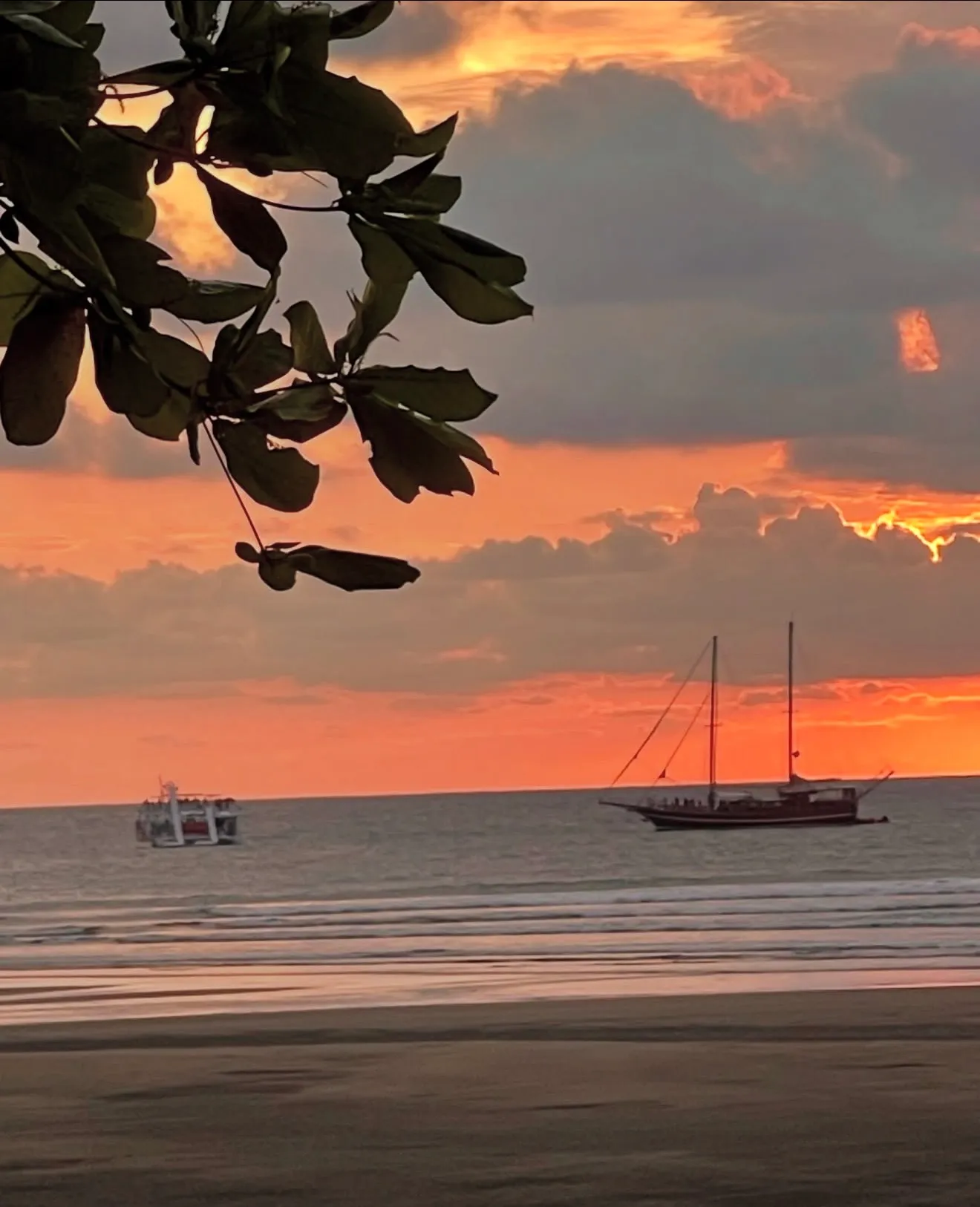
Marina Pez Vela is one of the most recognized areas in Quepos. It provides access to marine activities, waterfront businesses, dining, and boat departures.
Travelers joining a fishing trip, sailing activity, or coastal excursion should verify whether check-in takes place at the marina or at another meeting point. A tour marketed as a Manuel Antonio activity may still depart from Quepos.
Transportation should be arranged according to the actual departure location. Guests staying near Manuel Antonio National Park may need additional travel time to reach the marina, especially during busy periods.
Visitors can also include the waterfront in a slower Quepos travel day. The area offers a different atmosphere from the national park and hillside tourism zone.
Activity schedules may be affected by weather and marine conditions. Travelers should follow instructions from licensed operators and allow flexibility when planning transportation after a boat trip.
Things to Do in Quepos
Quepos provides access to nature, marine activities, local dining, the waterfront, and nearby beaches.
A visit to Manuel Antonio National Park is the main activity for many travelers. It can be planned as a separate day or combined carefully with time in Quepos.
The marina supports fishing and boating activities. Travelers should review the meeting location, departure time, included services, and transportation requirements before reserving an excursion.
The town center provides opportunities to experience local restaurants, shops, and everyday services. It can be practical for travelers who need supplies before continuing to a more remote destination.
Nearby beaches provide additional options outside the national park. Conditions vary according to tides, currents, weather, and location, so visitors should follow posted warnings and local guidance.
Travelers can also use Quepos as a starting point for day trips along the Central and Southern Pacific coast. Any day trip should account for road conditions, weather, pickup time, and the return journey.
Best Airport for Quepos
Juan Santamaria International Airport, known as SJO, is commonly the strongest international airport choice for Quepos.
SJO is located near Alajuela rather than in central San Jose. Travelers can arrange direct airport transportation from the terminal area to a hotel in Quepos or Manuel Antonio.
Guanacaste Airport, known as LIR, may work when Quepos is part of a broader itinerary beginning in Guanacaste. However, the ground route is longer and should be evaluated within the complete travel plan.
Quepos La Managua Airport is the relevant regional airport for domestic air access. Travelers using a domestic flight still need ground transportation between the airport, hotel, marina, Manuel Antonio, and other activity locations.
The best airport depends on the international flight schedule, first destination, final destination, luggage, domestic connection, and preferred ground transportation.
Quepos Airport Transportation
Quepos La Managua Airport is located outside the central tourism areas, so travelers should arrange transportation before arrival.
A private airport transfer can connect the regional airport with hotels in Quepos and Manuel Antonio. The pickup should be planned around the confirmed flight schedule and passenger details.
Travelers should review domestic airline baggage policies before booking a flight. Smaller aircraft may have different luggage limits than international airlines, and oversized equipment may require advance arrangements.
Flight schedules and weather can affect domestic air travel. Visitors should avoid booking an activity or national park entry too close to the planned arrival.
Travelers connecting from an international flight should consider airport changes, check-in requirements, baggage handling, and waiting time. In some cases, direct ground transportation from SJO may be simpler than combining two flights and a local transfer.
How to Get to Quepos
Most visitors reach Quepos by private transportation, shared shuttle, public bus, rental vehicle, or domestic flight.
Private transportation provides direct pickup from SJO, San Jose hotels, or another tourism destination. It is useful for families, groups, travelers with luggage, and visitors who want to travel according to their own schedule.
Shared shuttle service may connect Quepos and Manuel Antonio with common tourism areas. It works best when the pickup location, departure schedule, luggage allowance, and hotel coverage match the itinerary.
Public buses may be available from San Jose and other regional towns. Travelers should confirm current terminals, schedules, ticket procedures, and final stops before the travel day.
A rental vehicle offers flexibility for travelers planning several stops. Drivers should be prepared for traffic, weather, parking, navigation, and unfamiliar road conditions.
Domestic flights may reduce time on the road for some travelers, but the complete journey should include check-in, baggage policies, waiting time, and transportation from the regional airport.
Private Transportation to Quepos
Private transportation to Quepos provides door-to-door service between airports, hotels, vacation rentals, and established destinations.
The departure time can be coordinated around flight arrivals, hotel checkout, activities, or the needs of the group. This flexibility is useful when fixed shuttle schedules do not match the itinerary.
Families and groups can travel together without dividing between several vehicles. Travelers with large luggage or special equipment should provide complete baggage information before the transfer.
Private transportation can connect Quepos with SJO, San Jose, Jaco, La Fortuna, Monteverde, Uvita, and other destinations. Long-distance routes should be treated as important travel segments rather than placed between tightly scheduled activities.
The exact pickup and drop-off locations should be confirmed before departure. Quepos hotels, marina properties, vacation rentals, and Manuel Antonio accommodations may require different access instructions.
Shared Shuttles to Quepos
Shared shuttles can be a practical option for solo travelers, couples, and small groups traveling on established tourism routes.
The service normally follows scheduled departure periods and may include several hotel pickups and drop-offs. Travel conditions can vary according to traffic, weather, passenger locations, and road conditions.
Travelers should verify whether their Quepos hotel is within the standard pickup area. Some services may use selected hotels or meeting points rather than every accommodation.
Shared transportation may be less suitable for late airport arrivals, very early departures, large groups, remote properties, or passengers with oversized equipment.
Travelers should leave enough time between a shared shuttle arrival and a domestic flight, international departure, national park reservation, or boat excursion.
Traveling from San Jose to Quepos
Travelers can reach Quepos from San Jose by private transfer, shared shuttle, public bus, rental vehicle, or domestic flight.
Private transportation provides direct pickup from a San Jose hotel or SJO and continues to the confirmed accommodation in Quepos. This avoids changing vehicles or handling luggage at a bus terminal.
Shared shuttle service can work when the departure schedule and pickup location match the traveler's plans. Passengers arriving on an international flight should allow enough time for immigration, baggage collection, and customs.
Public buses may be suitable for travelers who are comfortable navigating terminals and arranging the final connection to their hotel.
Domestic flights connect with Quepos La Managua Airport when schedules and baggage requirements fit the itinerary. Local airport transportation is still required after landing.
Traveling from SJO to Quepos
SJO is the main international arrival airport used by many Quepos travelers.
A private airport transfer can meet passengers after they leave the terminal and continue directly to Quepos. Travelers should provide accurate flight details and the full hotel name when booking.
Shared shuttle service may be available when the flight arrival leaves enough time to complete airport procedures before departure. Tight connections should be avoided.
Travelers landing late in the day may prefer to stay near the airport and continue to Quepos the following morning. This can create a more comfortable arrival after a long international trip.
The return journey to SJO should include a suitable allowance for traffic, weather, road conditions, airport check-in, and international departure procedures.
Where to Stay in Quepos
Travelers can stay in central Quepos, near the marina, along the road toward Manuel Antonio, or within the wider Manuel Antonio hotel area.
Central Quepos may suit visitors who want access to local restaurants, shops, transportation, and town services. It can also be practical for travelers continuing by bus or using Quepos as a short stop.
The marina area may appeal to travelers joining boating or fishing activities. Visitors should confirm whether the property is within walking distance of their departure point.
Hotels along the Manuel Antonio road offer access to hillside views, restaurants, forest areas, and connections toward the national park. The steep terrain can make walking difficult in some sections.
Travelers focused mainly on the national park or beach may prefer to stay closer to Manuel Antonio. Those prioritizing the marina, town access, or onward transportation may find Quepos more convenient.
Quepos Hotels and Transportation Planning
Hotel location should be confirmed before arranging a Quepos airport transfer, private shuttle, or shared shuttle.
Some accommodations use Quepos as their general location even when they are closer to Manuel Antonio. Others may be inside the town but away from the main transportation route.
Travelers should provide the full property name, address, contact number, and any entrance instructions. Vacation rentals may require gate codes or coordination with a host.
Properties on steep roads or narrow access routes may require special drop-off arrangements. Guests with mobility concerns should ask about stairs, slopes, and the distance from the road to reception or the room.
Shared shuttle passengers should confirm whether pickup is available directly at the hotel. Private transportation normally provides direct service when the property is accessible by the assigned vehicle.
Best Time to Visit Quepos
Quepos can be visited throughout the year. The preferred travel period depends on weather, visitor levels, activities, and the wider Costa Rica itinerary.
Drier periods generally provide more predictable conditions for beaches, outdoor activities, and road travel. They may also bring greater demand for hotels, national park admission, and transportation.
The green season brings lush landscapes and a higher possibility of rain. Weather may affect boat excursions, road conditions, park trails, and outdoor schedules.
The Central Pacific coast is generally warm and humid. Earlier activity times can be more comfortable for national park visits and outdoor walking.
Travelers should keep some flexibility in the itinerary. Weather in Quepos may differ from conditions in San Jose, Monteverde, La Fortuna, or the Southern Pacific region.
Quepos Weather and Transportation
Weather can influence airport transfers, road travel, domestic flights, marine activities, and national park plans.
Heavy rain may slow traffic or reduce visibility. Travelers should avoid building an itinerary that depends on exact road arrival times.
Domestic flights and boat activities may be adjusted when conditions are unsuitable. Transportation after these activities should allow enough flexibility for schedule changes.
Travelers moving between Quepos and mountain destinations such as La Fortuna or Monteverde should prepare for changing conditions during the route.
Rain protection, comfortable clothing, sun protection, and suitable walking shoes are useful throughout the year.
Nearby Destinations from Quepos
Manuel Antonio is the closest major tourism destination. Travelers can visit the national park, public beaches, hillside hotels, and restaurants while staying in Quepos.
Jaco is north of Quepos and can be included in a Central Pacific itinerary. It may also serve as a stop between Quepos and the Central Valley.
Dominical is south of Quepos and provides a transition toward the Southern Pacific coast. It can be combined with Uvita for travelers continuing through the region.
Uvita is a common next destination for travelers moving south. Private transportation and available shared shuttle services can connect the two areas depending on the schedule.
La Fortuna adds the Arenal region, hot springs, and inland rainforest activities. The journey from Quepos is a long-distance transfer and should be planned as a main travel day.
Monteverde offers a cooler highland environment and cloud forest experiences. Road access and hotel location should be considered when arranging transportation.
San Jose and SJO are important for international arrivals and departures. Travelers returning to the airport should avoid planning the route with a narrow time allowance.
Suggested Quepos Itinerary Planning
A practical Quepos itinerary can include one day for Manuel Antonio National Park, one day for the marina or another regional activity, and additional time for beaches, restaurants, or onward travel.
Travelers arriving through SJO can continue directly to Quepos or stay near the airport when the flight arrives late. The first full day can then be used for the national park or a slower introduction to the town.
Visitors joining a boat excursion should keep the rest of the day flexible because marine conditions and return times can vary.
Travelers continuing south can combine Quepos with Dominical and Uvita. Those seeking a different environment can continue inland toward La Fortuna or Monteverde.
Transportation should be reserved according to the complete itinerary. Private transfers provide flexible hotel-to-hotel service, while shared shuttles may work well when established schedules match the travel plan.
Practical Quepos Travel Tips
Confirm whether the accommodation is in central Quepos, near the marina, along the Manuel Antonio road, or close to the national park.
Reserve Manuel Antonio National Park admission through the current authorized process before the visit.
Verify the meeting point for marina and boat activities. Do not assume every tour provides hotel pickup.
Allow flexibility between transportation and fixed activities.
Keep passports, medication, electronics, and valuables in a personal bag during transfers.
Do not leave luggage visible inside a parked vehicle.
Confirm child seats, surfboards, fishing equipment, or oversized luggage before booking transportation.
Arrange airport transportation before arriving in Costa Rica, especially for late flights, groups, and travelers continuing directly to Quepos.
Plan the return to SJO with enough time for road conditions and international check-in.
Frequently Asked Questions
Is Quepos worth visiting?
Quepos is useful for travelers interested in the marina, local services, Central Pacific transportation, and access to Manuel Antonio National Park.
Where is Quepos in Costa Rica?
Quepos is located on the Central Pacific coast in Puntarenas Province, next to Manuel Antonio.
Is Quepos the same as Manuel Antonio?
No. Quepos is the main town, while Manuel Antonio is the nearby hillside and coastal tourism area extending toward the national park.
What is Quepos known for?
Quepos is known for its marina, fishing and boating activities, regional airport, local services, and access to Manuel Antonio.
What is the best airport for Quepos?
SJO is commonly the strongest international airport choice. Quepos La Managua Airport provides regional access for domestic flights.
How do I get from SJO to Quepos?
Travelers can use a private airport transfer, shared shuttle, public bus, rental vehicle, or domestic flight with a local transfer after landing.
Is private transportation available to Quepos?
Yes. Private transportation can provide direct airport and hotel transfers between Quepos, SJO, San Jose, and other major destinations.
Are shared shuttles available to Quepos?
Shared shuttle service may be available on established tourism routes. Travelers should confirm the schedule, hotel coverage, pickup point, and luggage allowance.
Can I stay in Quepos and visit Manuel Antonio National Park?
Yes. Travelers staying in Quepos can arrange local transportation to the national park and surrounding Manuel Antonio area.
Can transportation pick me up at Quepos Airport?
Private airport transportation can be arranged from Quepos La Managua Airport to hotels in Quepos and Manuel Antonio.
Should I stay in Quepos or Manuel Antonio?
Quepos may be better for town services, marina access, and transportation. Manuel Antonio may be better for beaches, hillside hotels, and easier access to the national park.
Can I travel from Quepos to Uvita?
Yes. Private transportation and some shared shuttle options can connect Quepos with Uvita and the Southern Pacific region.
Can I travel from Quepos to La Fortuna?
Yes. Private transportation and available shared shuttle services may connect Quepos with La Fortuna. The route should be planned as a long-distance travel segment.
Can I travel from Quepos to Monteverde?
Yes. Travelers can arrange private transportation or use an available shared shuttle when the schedule and hotel locations match the itinerary.
How early should I leave Quepos for SJO?
The departure should include enough time for traffic, weather, road conditions, airport check-in, and international departure procedures. Travelers should not depend on a narrow travel estimate.
Conclusion
Quepos Costa Rica is a practical Central Pacific destination for travelers interested in the marina, local services, regional transportation, and access to Manuel Antonio National Park.
The town can be used as a main destination, a base for exploring Manuel Antonio, or a convenient stop before continuing toward Dominical, Uvita, La Fortuna, Monteverde, San Jose, or SJO.
Private transportation, shared shuttle service, domestic airport transfers, and hotel-to-hotel connections can all support a Quepos itinerary. Costa Rica Shuttles can help organize airport transportation, hotel pickup, door-to-door transfers, and long-distance travel between Quepos and other major Costa Rica destinations.