
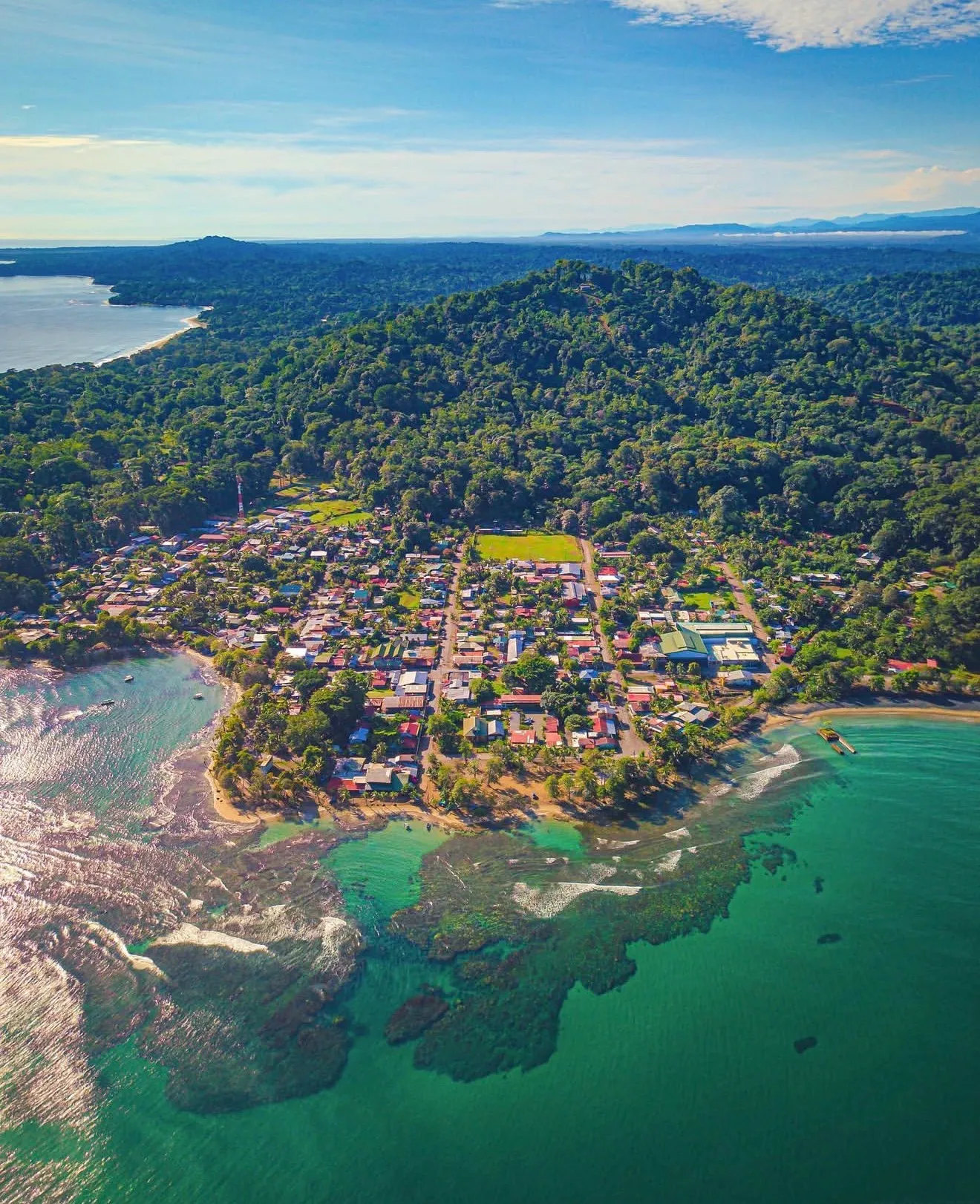
Puerto Viejo Travel Guide
A practical guide to Puerto Viejo de Talamanca with information about beaches, activities, accommodations, weather and transportation from San Jose.
Puerto Viejo Travel Guide, Costa Rica
This Puerto Viejo travel guide covers the essential details travelers need to plan a visit to Puerto Viejo de Talamanca on Costa Rica's southern Caribbean coast. The area is known for beaches, tropical forest, wildlife, Caribbean culture and easy access to several coastal communities.
Puerto Viejo has a relaxed atmosphere, but reaching the destination requires advance planning. Most international travelers arrive through SJO near San Jose and continue by private transportation, shared shuttle service or another ground transportation option. Hotel location also matters because accommodations are spread between Puerto Viejo town and nearby beach areas.
This guide focuses on Puerto Viejo de Talamanca in Limon Province, not Puerto Viejo de Sarapiqui in northern Costa Rica.
Where Is Puerto Viejo, Costa Rica?
Puerto Viejo de Talamanca is located on the Caribbean coast of Costa Rica, south of Limon and close to the Panama border. It is part of a coastal tourism area that includes Playa Negra, Cocles, Playa Chiquita, Punta Uva and Manzanillo.
The center of Puerto Viejo has restaurants, shops, accommodations and local services. The surrounding beach communities provide additional hotel choices and a quieter setting.
Because the area extends along the coast, travelers should confirm the exact location of their hotel before arranging transportation. A property listed as Puerto Viejo may be several kilometers from the center of town.
Why Visit Puerto Viejo?
Puerto Viejo offers a different experience from Costa Rica's Pacific beach destinations. The southern Caribbean region combines beaches, rainforest, wildlife and a distinct local culture.
Travelers visit the area for swimming, surfing, nature activities, coastal scenery and access to nearby protected areas. The region can work well for couples, families, independent travelers and visitors who prefer a destination with several beaches rather than one central resort zone.
Puerto Viejo is also a useful base for exploring the southern Caribbean coast without changing hotels every day. Many nearby beaches and communities can be reached during day trips, although road conditions and local transportation options should be considered.
How to Get to Puerto Viejo
Most travelers reach Puerto Viejo by road from San Jose, SJO or another Costa Rica destination. The route crosses the country toward the Caribbean coast before continuing south through Limon.
Travel times can vary because of traffic, weather, road work, accidents and the location of the final hotel. Travelers should avoid planning a tight connection between their flight arrival and an activity in Puerto Viejo.
Private transportation provides direct service from the airport, a San Jose hotel or another destination. Shared shuttles may also operate on common tourism routes when schedules and pickup locations match the traveler's itinerary.
Travelers arriving late in the day may prefer to stay near the airport or in San Jose before continuing to Puerto Viejo the following morning. This can reduce the need for a long road transfer after an international flight.
Best Airport for Puerto Viejo
SJO, or Juan Santamaria International Airport, is commonly the strongest international airport choice for Puerto Viejo. It provides access to San Jose and the main cross-country road connection toward the Caribbean coast.
LIR in Guanacaste is usually less practical for Puerto Viejo because it is located on the opposite side of Costa Rica. Flying into LIR may create a much longer ground transportation day unless Puerto Viejo is part of a broader multi-region itinerary.
Travelers should compare flight schedules, arrival times and the total ground transportation plan before choosing an airport. A lower airfare does not always create the most convenient itinerary when the airport is far from the final destination.
Airport Transportation to Puerto Viejo
Airport transportation should be arranged before arriving in Costa Rica, especially when traveling with children, several bags or a fixed hotel check-in schedule.
A private airport transfer can provide direct transportation from SJO to a hotel in Puerto Viejo, Cocles, Playa Chiquita, Punta Uva or another nearby area. The pickup time can be organized around the flight arrival and the vehicle can travel directly to the accommodation.
Shared shuttle service may be suitable for solo travelers, couples and visitors with flexible schedules. Shared departures usually follow established pickup times and may include additional passengers or hotel stops.
Travelers should provide the complete hotel name and location when booking. Puerto Viejo accommodations can be spread across a long section of the coast, and the correct drop-off point affects the transportation plan.
Private Transportation and Shared Shuttles
Private transportation is often the most flexible option for reaching Puerto Viejo. It is useful for families, groups, travelers with large luggage and passengers who want direct door-to-door transportation.
A private transfer can also be practical when connecting Puerto Viejo with destinations such as San Jose, La Fortuna, Manuel Antonio or other regions. Pickup time and hotel location can be planned around the itinerary.
Shared shuttles can offer a practical alternative on popular tourism corridors. They are generally better suited to travelers whose flight, hotel and travel schedule match the available departure.
This Puerto Viejo travel guide recommends comparing the complete travel day rather than choosing transportation based only on the type of service. Flight arrival time, luggage, hotel location and the next destination should all be considered.
Costa Rica Shuttles can help organize private transportation, shared shuttle service, airport transfers and hotel-to-hotel transportation based on the traveler's route.
Getting Around Puerto Viejo
Puerto Viejo town is relatively compact, but many beaches, hotels and restaurants are located outside the center. Travelers should not assume that every location will be within easy walking distance.
Bicycles are commonly used in the area, although weather, road conditions, traffic and nighttime visibility should be considered. Taxis and local transportation may also be available, but travelers should confirm arrangements when staying outside the town center.
A private driver can be useful for airport transfers, hotel changes, longer day trips and transportation to another Costa Rica destination. Visitors planning several local activities should ask their hotel or tour provider about pickup arrangements.
During rainy periods, transportation plans should allow additional flexibility. Heavy rain can affect visibility, road conditions and the time needed to move between coastal communities.
Best Things to Do in Puerto Viejo
Puerto Viejo offers a mix of beaches, wildlife and outdoor activities. Travelers can build an itinerary around the coast without scheduling every hour of the day.
Visit the Beaches
The Puerto Viejo area includes several beaches with different conditions and settings. Playa Negra is known for dark sand, while Cocles, Playa Chiquita, Punta Uva and Manzanillo provide additional coastal options.
Swimming conditions can change with waves, currents and weather. Travelers should observe local conditions and follow posted guidance before entering the water.
Explore Cahuita
Cahuita is located north of Puerto Viejo and is known for its coastal setting and protected natural areas. It can be included as a day trip or as a separate stop in a southern Caribbean itinerary.
Travelers should plan transportation in advance when combining Cahuita with Puerto Viejo, particularly when carrying luggage or moving between hotels.
Visit the Manzanillo Area
Manzanillo is located south of Puerto Viejo near the end of the coastal road. The area provides access to beaches, forest and a quieter community setting.
Travelers staying near Manzanillo should confirm transportation because the location is farther from Puerto Viejo town and local services may be more limited.
Look for Wildlife
The southern Caribbean region supports diverse wildlife. Travelers may see monkeys, sloths, tropical birds and other animals in forested areas.
Wildlife should be observed from a respectful distance. Visitors should avoid feeding animals or approaching them for photographs.
Take a Nature or Cultural Tour
Guided activities can help travelers understand the region's environment and culture. Tour availability, physical requirements and pickup arrangements should be confirmed before booking.
Morning tours can be a practical choice because temperatures may be more comfortable and afternoon rain can affect outdoor activities.
Where to Stay in Puerto Viejo
Accommodation options are available in Puerto Viejo town and throughout the nearby beach communities. The right area depends on transportation needs, preferred atmosphere and access to restaurants or activities.
Staying in Puerto Viejo town can be convenient for travelers who want to be close to restaurants, shops and local services. The center may also feel more active, particularly during busy travel periods.
Cocles offers beach access and a range of accommodations while remaining relatively close to Puerto Viejo. Playa Chiquita and Punta Uva generally provide a quieter setting with more distance from the town center.
Manzanillo may appeal to travelers seeking a more remote coastal experience. However, transportation should be planned carefully because the area is farther from Puerto Viejo's main services.
Before booking, confirm whether the property is directly on the beach, across the road or inland. Travelers should also ask about restaurant access, nighttime transportation and the exact pickup location for shuttles or tours.
Best Time to Visit Puerto Viejo
Puerto Viejo does not always follow the same weather patterns as Costa Rica's Pacific coast. The Caribbean region can receive rain throughout the year, and conditions may change quickly.
Some periods may bring more favorable beach weather, while other months can include frequent showers and humid conditions. A rainy forecast does not necessarily mean continuous rain all day, but travelers should keep outdoor plans flexible.
The best time to visit Puerto Viejo depends on the preferred activities. Travelers focused on beaches may prioritize periods with calmer, drier conditions. Visitors interested in rainforest scenery and wildlife may be comfortable traveling during wetter months.
Weather can also affect transportation. Rain may influence road conditions, visibility and transfer times, so travelers should avoid scheduling tight airport connections.
Puerto Viejo Weather and Packing Tips
Puerto Viejo has a warm, humid tropical climate. Lightweight clothing is useful throughout the year, but travelers should also bring rain protection.
Quick-drying clothing, insect protection, sun protection and comfortable walking shoes are practical for beach and nature activities. A light waterproof bag or cover can protect electronics and travel documents.
Travelers should prepare for both sun and rain during the same day. Morning weather does not always predict afternoon conditions.
Luggage should be easy to manage, particularly when using shared transportation or staying at smaller properties with paths, stairs or limited vehicle access.
Nearby Destinations
Puerto Viejo can be combined with Cahuita and Manzanillo as part of a southern Caribbean itinerary. These nearby destinations allow travelers to experience different beaches and communities without crossing the entire country.
Travelers may also combine Puerto Viejo with San Jose or La Fortuna. These routes require longer ground transportation and should be treated as dedicated travel days.
Combining Puerto Viejo with Pacific destinations such as Manuel Antonio, Uvita or Guanacaste creates a more complex itinerary. Private transportation can simplify long-distance hotel transfers, but the total route should be considered before adding too many regions.
A balanced itinerary usually includes enough time in Puerto Viejo to account for weather changes and explore more than one beach.
Travel Tips for Puerto Viejo
Confirm the complete name and location of the hotel before booking transportation. Properties may use Puerto Viejo in their address even when they are located outside the town center.
Avoid leaving important ground transportation decisions until arrival at the airport. Pre-arranged transportation provides a clearer pickup plan after the flight.
Keep valuables secure and avoid leaving bags unattended at beaches, in vehicles or in open hotel areas. Use normal travel awareness, especially at night and in less active locations.
Plan outdoor activities early when possible. Morning schedules can provide more flexibility if rain develops later.
Allow enough time for the return transfer to SJO. Road conditions and traffic can change, so the airport departure plan should include a reasonable margin.
Frequently Asked Questions
Where is Puerto Viejo in Costa Rica?
Puerto Viejo de Talamanca is on Costa Rica's southern Caribbean coast in Limon Province. It is located south of Cahuita and near beaches such as Cocles, Playa Chiquita, Punta Uva and Manzanillo.
Is Puerto Viejo worth visiting?
Puerto Viejo is a strong choice for travelers interested in Caribbean beaches, rainforest, wildlife and a relaxed coastal atmosphere. It offers a different experience from Costa Rica's Pacific destinations.
What airport should I fly into for Puerto Viejo?
SJO near San Jose is commonly the most practical international airport for Puerto Viejo. Travelers should consider the flight arrival time and ground transportation schedule before booking.
How do I get from San Jose Airport to Puerto Viejo?
Travelers can arrange a private airport transfer or use a shared shuttle when the available schedule matches their flight and hotel location.
Is private transportation available to Puerto Viejo?
Yes. Private transportation can be arranged from SJO, San Jose hotels and other Costa Rica destinations. It provides direct door-to-door service to the traveler's accommodation.
Are there shared shuttles to Puerto Viejo?
Shared shuttle service may be available on common tourism routes. Travelers should confirm the departure schedule, pickup point, luggage policy and exact hotel drop-off area.
How many days should I spend in Puerto Viejo?
Several days allow time for different beaches, wildlife activities, nearby communities and possible weather changes. The ideal stay depends on the larger Costa Rica itinerary.
What are the best beaches near Puerto Viejo?
Popular coastal areas include Playa Negra, Cocles, Playa Chiquita, Punta Uva and Manzanillo. Beach and swimming conditions can vary, so travelers should follow local guidance.
Can I visit Cahuita from Puerto Viejo?
Yes. Cahuita can be visited as a day trip or included as a separate overnight stop. Transportation should be planned in advance when traveling with luggage.
What is the best time to visit Puerto Viejo?
The best time depends on weather preferences and planned activities. Because the Caribbean coast has its own rainfall patterns, travelers should prepare for changing conditions throughout the year.
Is Puerto Viejo easy to explore without a rental car?
It is possible to visit Puerto Viejo without renting a car, but accommodations and beaches are spread along the coast. Travelers may use bicycles, taxis, tours, shuttles or pre-arranged private transportation depending on the route.
Can I book transportation from Puerto Viejo to another destination?
Private and shared transportation may connect Puerto Viejo with San Jose and other tourism destinations. Availability and schedules should be confirmed before the travel day.
Conclusion
Puerto Viejo offers Caribbean beaches, tropical forest, wildlife and access to several coastal communities within one destination. A successful trip depends on choosing the right hotel area, understanding local weather and planning transportation before arrival.
This Puerto Viejo travel guide recommends using SJO as the main international arrival point for most itineraries and comparing private transportation with shared shuttle service based on the flight schedule, group size and hotel location.
Once the airport, accommodation and route are confirmed, Costa Rica Shuttles can help arrange an airport transfer, door-to-door transportation or a shared shuttle to Puerto Viejo and other major destinations across Costa Rica.