Papagayo Peninsula Travel Guide
Explore Peninsula Papagayo, Costa Rica, including beaches, wildlife, snorkeling, sailing, golf, resorts, Guanacaste Airport transportation, car rental, weather, and visitor tips.
Papagayo Peninsula Costa Rica Travel Guide
Overview
Papagayo Peninsula, Costa Rica is one of the country's most distinctive resort and coastal destinations, combining luxury accommodations, tropical dry forest, sheltered Pacific bays, beaches, golf, marina facilities, and outdoor activities.
Located in Guanacaste on Costa Rica's North Pacific coast, the peninsula is designed around a lower-density resort environment rather than a traditional beach town.
Visitors generally stay at resorts, villas, or residences spread across the peninsula instead of walking through a central commercial district.
Its greatest advantages are privacy, natural scenery, beach access, ocean activities, and proximity to Guanacaste Airport (LIR).
For broader regional planning, travelers can also review the Guanacaste Costa Rica Travel Guide.
Quick Answer
Papagayo Peninsula is best for:
Luxury resort stays
Couples and honeymoons
Families
Golf
Beaches and swimming
Snorkeling
Kayaking and paddleboarding
Sailing
Sportfishing
Wildlife observation
Spa and wellness experiences
The peninsula is particularly convenient for international travelers because Guanacaste Airport (LIR), commonly called Liberia Airport, is usually approximately 35 to 60 minutes away, depending on the exact resort, traffic, and peninsula access procedures. (costaricashuttlesbus.com)
No ferry is required.
Where Is Papagayo Peninsula?
Papagayo Peninsula is located in Guanacaste Province within the Gulf of Papagayo region on Costa Rica's North Pacific coast.
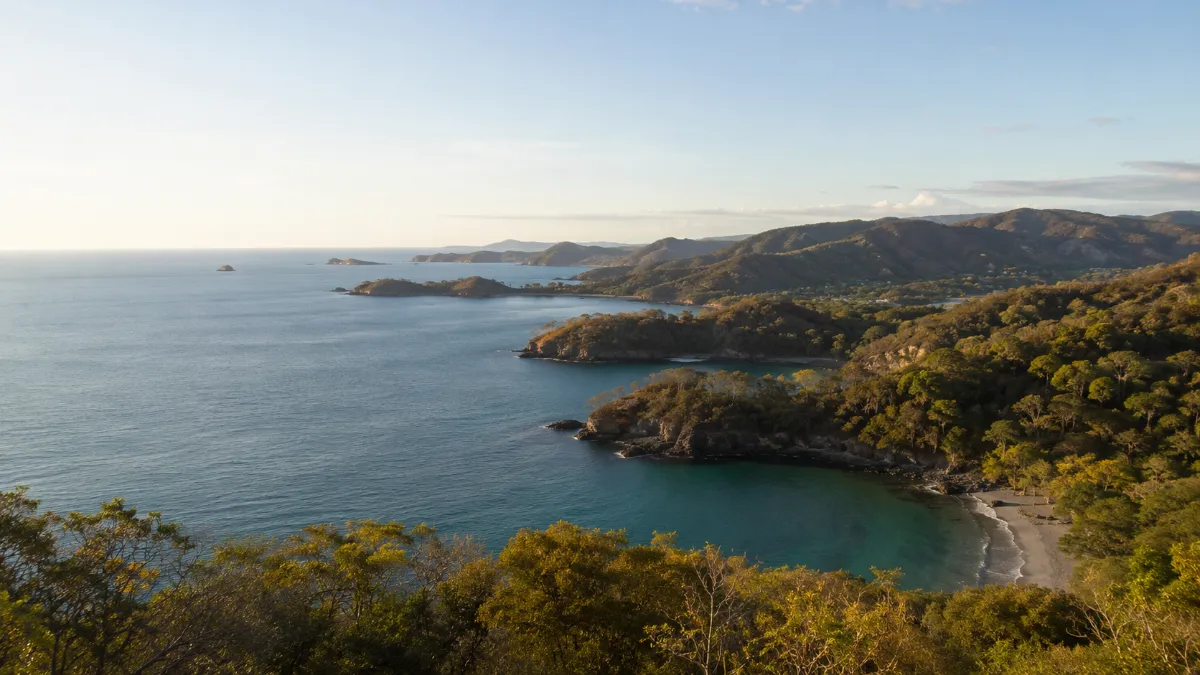
It extends into Bahía Culebra and is characterized by:
Forest-covered hills
Protected bays
Rocky headlands
Small beaches
Pacific viewpoints
Tropical dry forest
The broader Gulf of Papagayo also contains destinations such as Playa Hermosa, Playa Panamá, Playas del Coco, and other resort areas.
These should not automatically be considered physically inside Peninsula Papagayo.
This distinction matters when arranging transportation because a hotel that uses “Papagayo” in its name may actually be located elsewhere around the Gulf.
Always provide the exact hotel, villa, residence, or marina when booking a transfer.
Beaches on Papagayo Peninsula
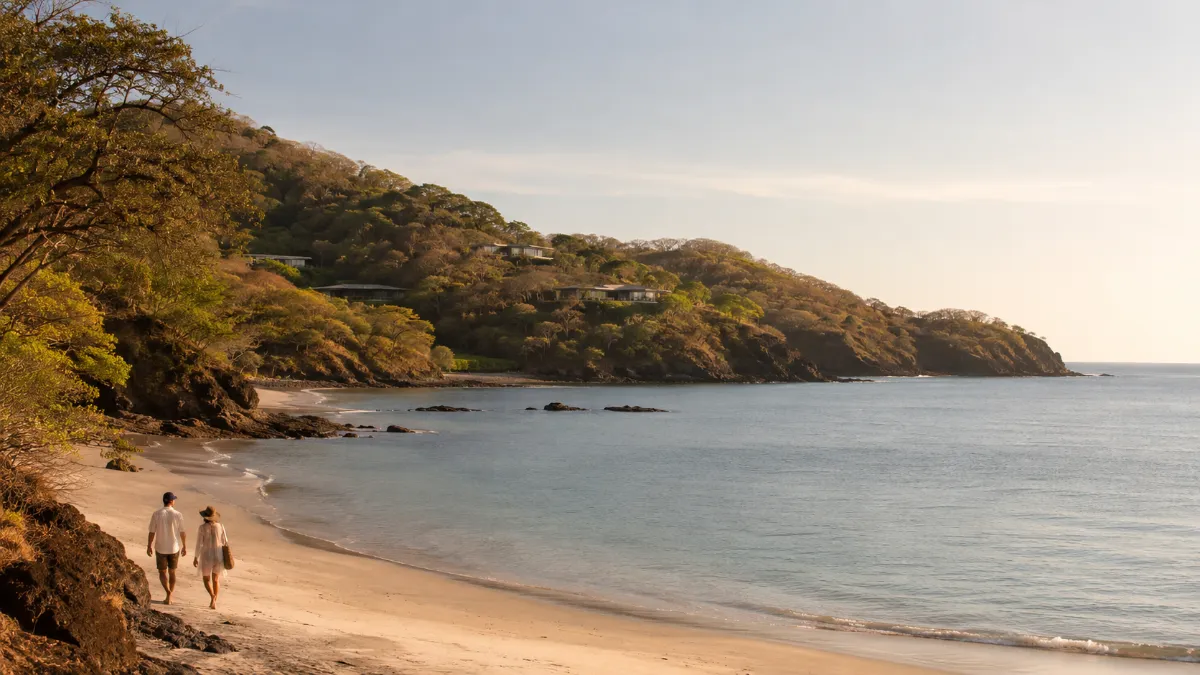
One of the peninsula's strongest attractions is its collection of smaller beaches and protected coves.
Notable beaches include:
Playa Nacascolo
Playa Prieta
Playa Virador
Playa Blanca
Many have lighter sand, forested surroundings, and relatively sheltered water compared with exposed Pacific surf beaches.
However, no beach should be described as permanently calm or universally safe for swimming. Tides, wind, waves, currents, and seasonal weather can change conditions.
Are Papagayo Beaches Private?
This is frequently misunderstood.
Resorts and residential areas may have controlled road and security access, but Costa Rican beach access should not simply be described as private.
The Instituto Costarricense de Turismo states that the Golfo de Papagayo tourism development provides public enjoyment of the beaches surrounding Bahía Culebra, including maritime access.
Visit Costa Rica also documents an organized public-access system for Playa Virador, Prieta, Nacascolo, and Blanca that includes designated parking and transportation toward the beach area.
Access procedures can change, so visitors not staying inside the peninsula should confirm the current parking, shuttle, and entry arrangements before traveling.
Playa Nacascolo
Playa Nacascolo is one of the best-known beaches in the area.
Visit Costa Rica describes it as a white-sand beach with calm, clear water and nearby reef and mangrove environments. Basic visitor facilities are also available.
Depending on current conditions, activities can include:
Swimming
Snorkeling
Relaxing
Wildlife observation
Family beach time
Monkeys, coatis, raccoons, and other wildlife may occur around the forested beach environment, but sightings should never be guaranteed.
Playa Virador and Playa Prieta
Playa Virador is known for light sand and sheltered coastal scenery.
Access from the designated Papagayo beach area involves a substantial stair descent, so travelers with mobility limitations should investigate the current access arrangement beforehand.
Playa Prieta is another scenic beach within the peninsula and also requires walking and stair access under the public-access arrangement described by Visit Costa Rica.
These beaches are better suited to visitors comfortable with some walking rather than travelers expecting vehicle access directly onto the sand.
Wildlife and Tropical Dry Forest
Papagayo Peninsula lies within Guanacaste's tropical dry forest ecosystem.
The landscape changes dramatically between seasons.
During the driest months, parts of the forest become golden and many trees lose leaves.
During the green season, the same hills can become densely green within a relatively short period.
Possible wildlife includes:
Howler monkeys
White-faced capuchin monkeys
Coatis
Deer
Iguanas
Tropical birds
Butterflies
Wildlife can appear even around resorts and roads, so visitors should never feed animals or leave food unattended.
Marine Life
The Gulf of Papagayo supports a diverse marine environment.
Depending on season, location, and luck, boat excursions may encounter:
Dolphins
Rays
Sea turtles
Tropical fish
Whales during applicable migration periods
No operator should guarantee wild-animal sightings.
The region's rocky reefs and protected coves also create opportunities for snorkeling and diving.
Snorkeling
Snorkeling can be good around selected coves when visibility and ocean conditions cooperate.
Possible marine environments include:
Rocky reefs
Coral communities
Tropical fish habitat
Clear-water coves
Visibility varies because of wind, currents, plankton, waves, and seasonal conditions.
A guided boat excursion may provide access to snorkeling locations that are difficult to reach overland.
Sailing, Boating and Marina Papagayo
Ocean activities are central to a Papagayo stay.
Popular options include:
Sailing
Sunset cruises
Snorkeling excursions
Sportfishing
Private boat charters
Coastal exploration
Diving trips
Marina Papagayo serves yacht, boating, and marine travelers within the peninsula.
Visitors arriving or departing through the marina should specify the exact marina meeting point when arranging ground transportation because security procedures and internal travel time can affect pickups.
Kayaking and Paddleboarding
Sheltered bays can provide good conditions for kayaking and stand-up paddleboarding.
These activities are especially enjoyable during calmer morning conditions.
However, wind can increase during the day in Guanacaste, particularly during portions of the dry season.
Follow resort or local operator guidance before leaving protected areas.
Hiking and Nature Trails
Several resorts and areas within the peninsula maintain walking or nature trails through tropical dry forest.
Experiences may include:
Wildlife observation
Coastal viewpoints
Forest walks
Birdwatching
Photography
Trail access varies according to the property and development area.
Visitors should not assume that every resort trail is publicly accessible.
Golf
Golf is one of the peninsula's better-known resort activities.
The course environment combines elevated terrain, tropical dry forest, and Pacific views.
Travelers planning primarily around golf should arrange tee times and transportation before arrival, especially during busy tourism periods.
Best Time to Visit
December to April
Guanacaste's dry season generally provides:
Abundant sunshine
Less rainfall
Drier trails
More predictable beach weather
The landscape becomes increasingly dry and golden later in the season.
This is also an important tourism period, so resort availability and transportation should be arranged early.
May to November
The green season brings:
Greener forest
More frequent rainfall
Dramatic cloud formations
Fewer visitors during some periods
Rain often occurs later in the day, although weather patterns vary.
Ocean activities normally continue when conditions allow.
September and October can be wetter on the Pacific side, so travelers should build more weather flexibility into boat and outdoor activities.
How to Get to Papagayo Peninsula
From Guanacaste Airport
Guanacaste Airport (LIR) is the most convenient international airport for Peninsula Papagayo.
The airport is also commonly called Liberia Airport and is officially Daniel Oduber Quirós International Airport.
Private transportation from LIR to the peninsula normally takes approximately 35 to 60 minutes, depending on:
Exact resort
Traffic
Road conditions
Security access
Final internal destination
Travelers wanting direct airport-to-resort service can review Liberia Airport to Papagayo Peninsula Private Transportation.
Returning to the Airport
Airport departure planning should include additional time for peninsula roads, security procedures, traffic, airline check-in, and baggage.
Travelers can review Papagayo Peninsula to Liberia Airport Private Transportation when planning the return journey.
No ferry is needed in either direction.
Do You Need a Rental Car?
Not necessarily.
Travelers staying primarily at a full-service resort may use:
Resort transportation
Private transfers
Organized excursions
Boats
Prearranged local transportation
A rental car becomes more useful for travelers planning independent day trips to:
Playas del Coco
Playa Hermosa
Liberia
Rincón de la Vieja
Other Guanacaste beaches
Inland attractions
Travelers collecting a vehicle after landing can review the Liberia Guanacaste Airport Car Rental Guide.
The main roads between LIR and Peninsula Papagayo are paved, so a 4x4 is not automatically required for a standard airport-to-resort itinerary. Vehicle choice should instead be based on the most difficult road later in the trip. (costaricashuttlesbus.com)
Papagayo or a Traditional Beach Town?
Papagayo works differently from Tamarindo, Playas del Coco, or many other Costa Rica beach destinations.
Choose Papagayo Peninsula if you prioritize:
Resort amenities
Privacy
Beaches and coves
Golf
Marina access
Wellness
Organized activities
Easy LIR airport access
A traditional beach town may be better if your priority is:
Walking between many independent restaurants
Nightlife
Local shopping
Surf culture
A larger public town center
Neither travel style is inherently better; they provide very different Costa Rica experiences.
Visitor Tips
For a smoother stay:
Confirm the exact resort before arranging transportation
Do not assume every “Papagayo” hotel is on the peninsula
Reserve airport transportation in advance
Confirm public beach-access procedures if not staying inside the development
Carry strong sun protection
Stay hydrated during the dry season
Never feed wildlife
Check ocean conditions before swimming or snorkeling
Reserve popular boat and golf activities early
Allow extra departure time for resort and security access
Frequently Asked Questions
Where is Papagayo Peninsula?
It is located in Guanacaste Province on Costa Rica's North Pacific coast within the Gulf of Papagayo region.
How far is Papagayo Peninsula from Liberia Airport?
Most transfers from Guanacaste Airport (LIR) take approximately 35 to 60 minutes, depending on the specific resort and access procedures. (costaricashuttlesbus.com)
Is Guanacaste Airport the same as Liberia Airport?
Yes. Guanacaste Airport, Liberia Airport, and Daniel Oduber Quirós International Airport refer to the airport using code LIR.
Are the beaches at Papagayo private?
The surrounding developments may control vehicle access, but the beaches should not simply be described as private. Public access mechanisms exist for several peninsula beaches.
Which beaches can you visit?
Nacascolo, Prieta, Virador, and Blanca are among the beaches associated with the peninsula's public beach-access system. Current access arrangements should be confirmed before traveling.
Is Papagayo good for swimming?
Many sheltered beaches can have relatively gentle conditions, but currents, tides, wind, and waves vary. Always evaluate current conditions before swimming.
Do you need a rental car?
Not necessarily. Resort guests can rely on private transfers and organized activities. A rental car becomes more useful for independent exploration outside the peninsula.
Do you need a 4x4?
Not for a standard drive between LIR and Peninsula Papagayo. The principal route is paved. A 4x4 may become relevant only if other destinations in your itinerary involve rough or seasonal roads.
How many days should you stay?
Three to five nights works well for travelers focused on beaches, relaxation, golf, marine activities, and resort experiences. Longer stays work well when combining several excursions.
Conclusion
Papagayo Peninsula, Costa Rica offers one of the country's strongest combinations of Pacific beaches, tropical dry forest, marine activities, resort infrastructure, golf, and convenient international airport access.
Its beaches and coves provide a quieter environment than many larger coastal towns, while Marina Papagayo, sailing, snorkeling, wildlife, and nature activities provide alternatives to simply remaining at the resort.
The key planning details are understanding that Papagayo Peninsula is not the same as the entire Gulf of Papagayo, confirming the exact location of your accommodation, and arranging airport and beach access correctly.
With Guanacaste Airport only a relatively short ground transfer away, Papagayo remains one of Costa Rica's easiest high-end Pacific destinations to combine with an international flight.