Nosara Wildlife and Conservation Guide
A practical nature-focused guide to wildlife, conservation and responsible travel in Nosara, Costa Rica.
Nosara Wildlife and Conservation Guide for Nature Travelers
This Nosara Wildlife and Conservation Guide is for travelers who want to understand the natural side of Nosara beyond surf, yoga and beach hotels. Nosara is one of the most nature-focused destinations on the Nicoya Peninsula, with coastal forest, mangroves, rivers, quiet beaches, nearby turtle nesting areas and a strong local conservation identity.
Wildlife in Nosara is part of daily travel. Visitors may hear howler monkeys in the trees, see birds around gardens and rivers, notice iguanas crossing warm paths or visit nearby protected areas connected to sea turtle conservation. The best way to enjoy this environment is to travel slowly, respect wildlife space and plan tours and transportation in a way that supports responsible tourism.
Nosara is not a zoo or controlled wildlife park. Nature sightings are never guaranteed, and responsible travel matters. The goal is to observe without disturbing, move through the area carefully and understand why conservation is such an important part of the destination.
Why Nosara Is Different for Wildlife and Conservation
Nosara stands out because nature is not limited to one attraction. The destination is shaped by beaches, forested hills, rivers, wetlands and nearby protected areas. This makes Nosara a strong base for travelers who want a beach vacation with a real nature and conservation focus.
Unlike destinations where most visitors only stay near a resort zone, Nosara encourages a more local style of travel. Many hotels, vacation rentals, restaurants and roads sit close to trees, rivers and wildlife corridors. That closeness is part of the appeal, but it also means travelers should be more aware of their impact.
Conservation in Nosara is connected to practical issues such as beach protection, turtle nesting, wildlife rescue, responsible development, road safety, waste reduction and keeping natural corridors open for animals. For nature travelers, this makes Nosara more than a place to take wildlife photos. It is a destination where daily travel choices can help or harm the environment.
Wildlife You May See in Nosara
Nosara is a good destination for travelers who enjoy seeing wildlife in natural settings. Common sightings may include howler monkeys, tropical birds, iguanas, lizards, butterflies and other small animals that live around forest edges, gardens and river areas.
Howler monkeys are one of the most recognizable animals in Nosara because of their deep calls and their movement through the trees. Visitors should watch them from a respectful distance and never feed them. Feeding wildlife can change animal behavior, create dependency and increase the chance of conflict with people.
Birdlife is another important part of the Nosara experience. Travelers may see shorebirds, forest birds, raptors and birds near rivers or mangroves. Early morning is often one of the better times for nature observation because temperatures are cooler and animals may be more active.
Reptiles and small wildlife are also part of the landscape. Iguanas, geckos and other species may appear around paths, gardens and warm open areas. Travelers should avoid touching wildlife, moving animals for photos or blocking their path.
Sea Turtles and Ostional Wildlife Refuge
Ostional is one of the most important conservation areas near Nosara and a key reason many nature travelers visit this part of Guanacaste. The Ostional Wildlife Refuge protects an important sea turtle nesting area, and the community is closely connected to turtle conservation.
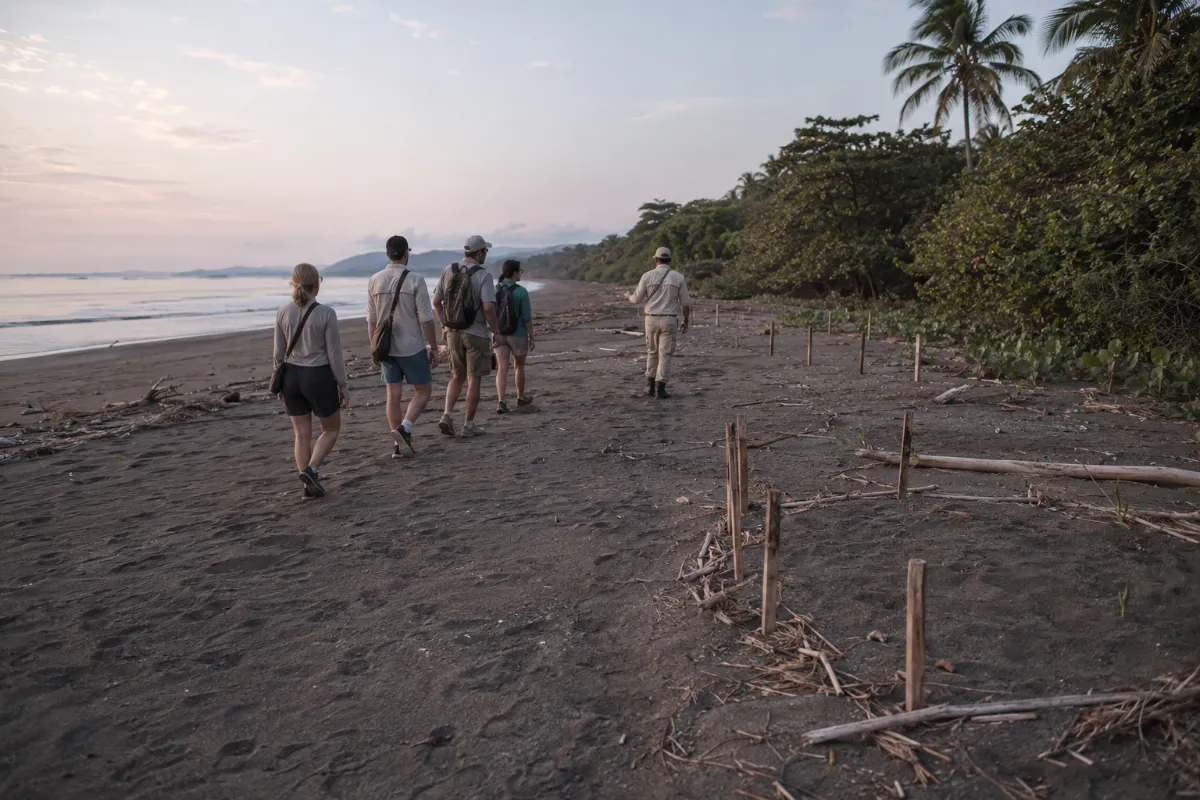
A visit to Ostional should be planned with care. Turtle nesting activity depends on natural conditions, and sightings should never be treated as guaranteed. Travelers should follow local rules, use authorized guides when required, avoid flash photography, keep lights off the beach and stay out of restricted areas.
Ostional is close enough to Nosara to work as a nature-focused day trip, but timing matters. For travelers who want to include a turtle experience, it is better to plan with local guidance instead of arriving without understanding current rules or conditions.
This is one of the clearest examples of why responsible travel matters near Nosara. A turtle nesting beach is not just another stop on an itinerary. It is a sensitive environment where visitor behavior directly affects wildlife protection.
Nosara Rivers, Mangroves and Forest Edges
Nosara also has important natural areas around rivers, mangroves and forest edges. These environments support birds, reptiles, insects, monkeys and other wildlife that depend on connected habitat.
Mangrove and river areas are especially valuable because they act as natural transitions between land and sea. They provide shelter, feeding areas and movement corridors for different species. Travelers should be careful around these areas, avoid littering and use established access points or guided experiences when available.
Forest edges are where many visitors first notice wildlife. Monkeys may move through trees near hotels, birds may appear around gardens and small animals may cross quiet roads. These moments are part of what makes Nosara special, but they also require patience and respectful distance.
Responsible Wildlife Watching in Nosara
Responsible wildlife watching in Nosara starts with a simple rule: observe without interfering. Animals should not be fed, touched, chased, surrounded or called closer for photos.
Travelers should keep noise low, avoid flash photography around sensitive species and give animals a clear path to move away. If wildlife appears near a road, slow down and wait instead of trying to force movement. At beaches, visitors should respect signs, local guidance and nesting restrictions.
Dogs can also affect wildlife, especially near beaches, rivers and forest edges. Travelers staying in vacation rentals or traveling with pets should be extra careful and follow local rules.
For families, Nosara can be a good place to teach children how to watch wildlife respectfully. The experience is more meaningful when children understand that the goal is not to get close, but to protect the animal by giving it space.
Conservation Challenges in Nosara
Nosara faces real conservation challenges because the area continues to grow as a travel and residential destination. More visitors, construction, roads, vehicles, lighting and infrastructure can create pressure on wildlife and natural spaces.
Some of the most important issues include habitat fragmentation, wildlife road crossings, disturbance near nesting beaches, waste management, domestic animals, unsafe contact with power lines and pressure on coastal ecosystems. These are not problems travelers need to solve alone, but visitors should understand that their choices matter.
Choosing responsible tours, staying on marked paths, avoiding wildlife feeding, using proper waste disposal and arranging transportation with careful drivers can all help reduce impact. Travelers who want a deeper nature experience can also look for reputable local conservation and education initiatives during their stay.
Best Nature Experiences Near Nosara
Nosara works well for travelers who want quiet, low-impact nature experiences rather than theme-park style attractions. Some of the best options include guided wildlife walks, birdwatching, river or mangrove-focused outings, turtle conservation visits near Ostional and relaxed day trips to nearby beaches and small towns.
Ostional is the strongest nearby option for sea turtle conservation. Garza can be useful for a short coastal outing close to Nosara. San Juanillo offers a quieter beach setting for travelers who want scenery and a slower pace. Samara works better for travelers who want a more active beach town with services, restaurants and a different coastal atmosphere. Barra Honda National Park can be a good inland option for travelers who want caves, dry forest and a change from the beach.
The best choice depends on your travel style. Wildlife-focused travelers may prefer guided nature activities and early starts. Families may prefer shorter outings with simple logistics. Photographers and birdwatchers may want slower days with fewer stops and more time in one area.
Private Transportation for Nosara Wildlife and Conservation Travel
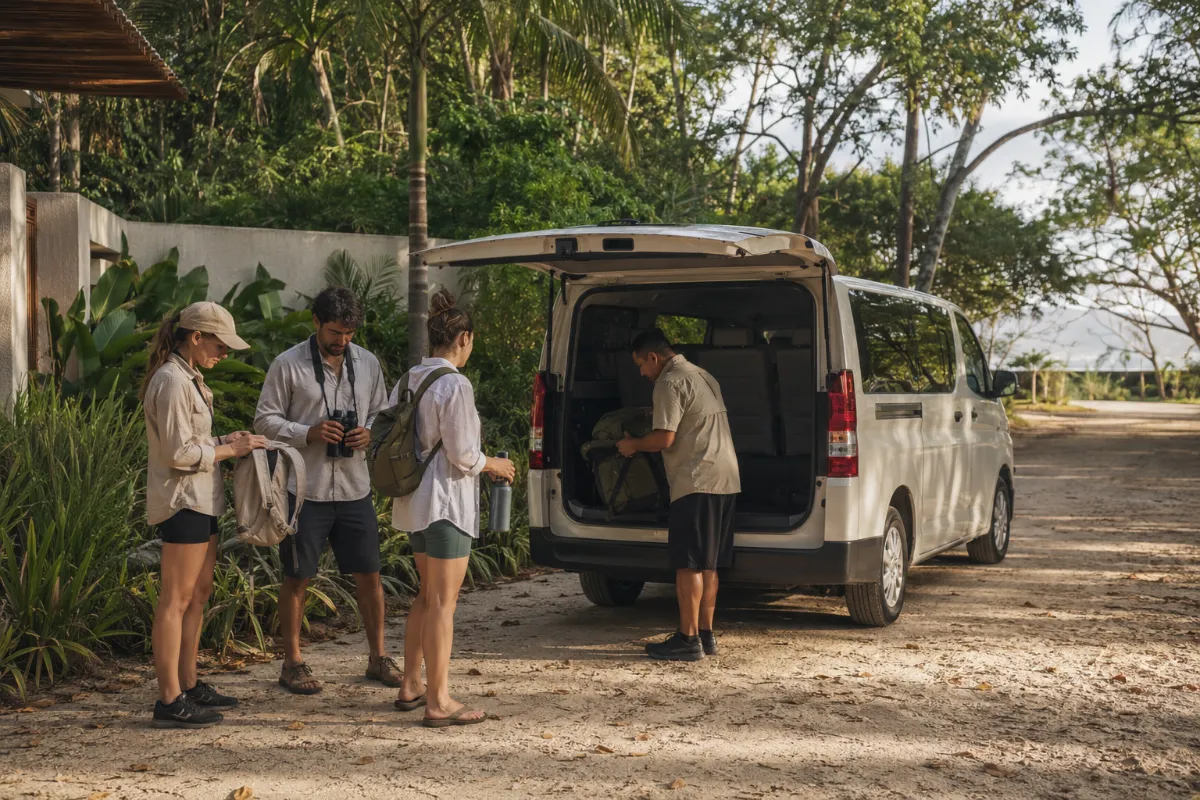
Private transportation is useful for travelers using this Nosara Wildlife and Conservation Guide to plan nature-focused days around the area. Wildlife and conservation activities often depend on timing, road conditions, early departures, guide availability and return logistics.
A private transfer can help connect Nosara with Ostional, Garza, San Juanillo, Samara, Barra Honda and nearby nature areas without turning the day into a complicated route. Door-to-door transportation is especially helpful for families, small groups, photographers, birdwatchers and travelers staying outside the most central beach areas.
Shared shuttle service can be practical for major Costa Rica travel corridors, especially when travelers are moving between destinations. For local wildlife days from Nosara, private transportation usually offers more flexibility because pickup time, stops and return schedules can be planned around the nature experience.
Airport transfer planning also matters. Travelers flying into Liberia Airport often use Nosara as a nature and wellness base on the Nicoya Peninsula. San Jose Airport can also work depending on the itinerary, but the travel day is longer and should be planned carefully. Pre-arranged airport transportation helps travelers avoid making route decisions after arrival and keeps the first day smoother.
How to Plan a Responsible Nature Day from Nosara
A responsible nature day from Nosara should be simple, realistic and respectful. Start with one main goal rather than trying to combine too many stops. For example, choose a turtle-focused visit near Ostional, a birdwatching morning, a quiet beach outing or an inland nature day.
Morning departures are often better for wildlife observation and longer day trips. Travelers should bring water, sun protection, insect protection, comfortable walking shoes and patience. Wildlife does not appear on demand, and quiet observation is usually better than rushing.
For turtle-related experiences, travelers should confirm local guidance before going. For inland or rural areas, transportation should be arranged in advance so the day does not depend on uncertain local connections.
The best nature days near Nosara are not about covering the most distance. They are about choosing the right place, moving respectfully and leaving the environment as undisturbed as possible.
Where to Stay for Wildlife Access in Nosara
Travelers who want a nature-focused stay in Nosara should think carefully about location. Areas near Playa Guiones, Playa Pelada and the broader Nosara district can all work, but the best choice depends on whether you want beach access, quiet surroundings, walkability, hotel services or easy pickup for tours and transfers.
A hotel or rental near trees and natural areas may offer more wildlife sounds and sightings, but it may also require more attention to insects, night driving, road conditions and distance from restaurants or services. A more central location may be easier for dining and pickups, while a quieter location may feel more connected to nature.
When choosing where to stay, travelers should also look for properties that communicate clear environmental practices, manage waste responsibly and encourage respectful wildlife behavior.
Best Time to Visit Nosara for Wildlife
Nosara can be visited year-round, but the experience changes by season. Dry season often brings easier beach days and more predictable road conditions. Green season can bring a lusher landscape, different wildlife activity and more variable travel conditions.
For wildlife travelers, the best time depends on what you want to see and how flexible your itinerary is. Sea turtle activity near Ostional follows natural patterns and should be confirmed locally. Birdwatching, forest walks and quiet nature observation can be rewarding in different seasons, especially when travelers allow enough time and avoid expecting guaranteed sightings.
Transportation planning becomes more important during periods of heavier rain because rural roads and travel times may change. A private transfer can help make nature-focused travel easier when conditions are less predictable.
Tips for Responsible Travelers in Nosara
Do not feed monkeys or other wildlife. Keep a respectful distance from animals. Avoid flash photography near turtles or sensitive species. Stay off restricted nesting areas. Use local guides when visiting protected or sensitive places. Drive slowly on rural roads. Keep food and trash secured. Avoid loud behavior around wildlife areas. Do not remove shells, plants, eggs, nests or natural materials. Support local conservation and education efforts when possible.
These simple choices help protect the same nature that travelers come to enjoy. Nosara remains special when visitors treat wildlife as part of a living environment, not as a tourist attraction.
Frequently Asked Questions
Is Nosara good for wildlife?
Yes, Nosara is good for wildlife travelers because the area includes beaches, forest edges, rivers, mangroves and nearby protected areas. Visitors may see howler monkeys, birds, iguanas and other wildlife, but sightings depend on natural conditions.
What animals can you see in Nosara?
Travelers in Nosara may see howler monkeys, tropical birds, iguanas, lizards, butterflies and other small wildlife. Nearby Ostional is important for sea turtle nesting, although turtle activity should never be treated as guaranteed.
Is Ostional near Nosara?
Yes, Ostional is near Nosara and is one of the most important nature and conservation day trips in the area. It is best visited with respect for local rules, turtle nesting areas and current guidance.
Can I see sea turtles in Nosara?
Sea turtle experiences are usually connected with the Ostional area near Nosara. Turtle nesting depends on natural timing, and visitors should follow local rules, use proper guidance and avoid disturbing the beach environment.
Are howler monkeys common in Nosara?
Howler monkeys are commonly associated with Nosara and are often heard or seen in trees around the area. Travelers should watch from a distance, avoid feeding them and be careful when driving in areas where wildlife may cross roads.
What is the best way to visit wildlife areas from Nosara?
The best way to visit wildlife areas from Nosara depends on the activity. Guided tours are useful for learning and responsible access, while private transportation helps with hotel pickup, early starts, flexible timing and return logistics.
Do I need private transportation for nature trips from Nosara?
Private transportation is often useful for nature trips from Nosara, especially to Ostional, Garza, San Juanillo, Samara or Barra Honda. It gives travelers more control over timing and avoids relying on limited local transportation options.
Is Nosara only a surf destination?
No, Nosara is not only a surf destination. Surfing is important in the area, but Nosara is also known for wildlife, conservation, wellness travel, quiet beaches, rivers, mangroves and responsible nature experiences.
How can travelers support conservation in Nosara?
Travelers can support conservation in Nosara by respecting wildlife, avoiding animal feeding, following turtle nesting rules, using responsible guides, reducing waste, driving carefully and supporting reputable local conservation or education initiatives.
Conclusion
This Nosara Wildlife and Conservation Guide shows why Nosara is more than a surf and shuttle destination. The area offers a meaningful nature experience shaped by monkeys, birds, sea turtles, rivers, mangroves, beaches and local conservation efforts.
For travelers who want to explore responsibly, Nosara works best with slow planning, respectful wildlife behavior and transportation arranged around nature rather than rushed sightseeing. Private transportation, guided visits and thoughtful route planning can help travelers enjoy Ostional, Garza, Samara, San Juanillo, Barra Honda and nearby nature areas while keeping the focus on conservation and responsible Costa Rica travel.