
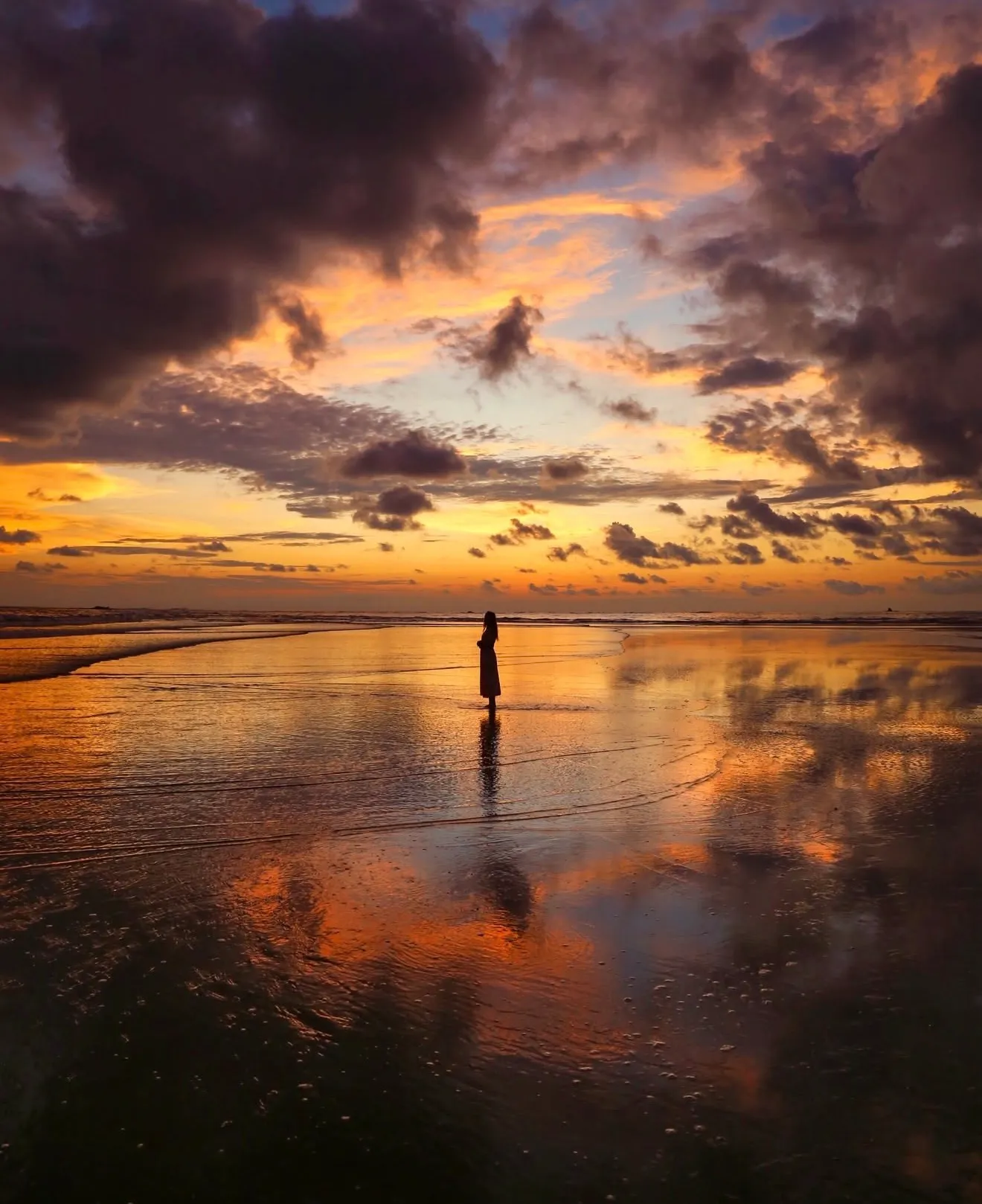
Marino Ballena National Park
Marino Ballena National Park is a marine reserve near Uvita famous for its whale-tail sandbar, seasonal humpback whale migrations, coral reefs, and scenic Pacific beaches.
Marino Ballena National Park Travel Guide
Overview
Marino Ballena National Park is one of Costa Rica’s most distinctive coastal protected areas, famous for its marine wildlife, expansive beaches, and the iconic whale-tail shaped sandbar that becomes visible at low tide. Located along the South Pacific coast near the town of Uvita, the park protects a diverse combination of ocean habitats, coral reefs, mangroves, and tropical shoreline.
Established in 1989, the park was created to protect the region’s marine ecosystems and the important migration routes used by humpback whales. Today, it is widely recognized as one of the best places in Costa Rica for whale watching, snorkeling, and coastal exploration.
Visitors come to Marino Ballena National Park to experience its unique combination of marine life, rainforest-backed beaches, and the remarkable natural formation that resembles a giant whale tail stretching into the Pacific Ocean. The park offers a quieter alternative to many of Costa Rica’s busier beach destinations while still providing exceptional biodiversity and natural beauty.
Location
Marino Ballena National Park is located on Costa Rica’s South Pacific coast in Puntarenas Province, centered around the coastal town of Uvita. The park stretches along roughly 13 kilometers of coastline within the Costa Ballena region.
This section of coastline lies between the popular surf town of Dominical to the north and the more remote Osa Peninsula region to the south. The surrounding landscape includes tropical rainforest-covered hills, coastal plains, and the Pacific Ocean.
The park protects both land and marine areas, extending offshore to include coral reefs, rocky islets, and important marine ecosystems. Several entrances provide access to different sections of the park, including areas near Uvita and nearby coastal communities.
Its location along the Costa Ballena places it within one of the most biologically rich regions of Costa Rica, where rainforest ecosystems meet productive marine habitats.
Wildlife / Attractions
Marino Ballena National Park is best known for its marine wildlife and seasonal whale migrations. The park sits directly along the migration route used by humpback whales traveling between feeding and breeding grounds.
One of the unique aspects of this region is that humpback whales arrive from both hemispheres. Whales from the Northern Hemisphere migrate through the area during the northern winter, while whales from the Southern Hemisphere arrive later in the year. This unusual overlap creates multiple whale watching seasons.
In addition to humpback whales, the park’s waters are home to several dolphin species, sea turtles, manta rays, and large schools of tropical fish.
The marine ecosystems protected by the park include coral reefs and rocky islands that serve as important habitats for marine biodiversity. These reefs support a wide range of fish, invertebrates, and other ocean species.
Birdlife is also abundant along the coast and mangrove areas, with pelicans, frigatebirds, herons, and shorebirds commonly seen along the beaches and estuaries.
On land, the coastal forest surrounding the park contains wildlife such as monkeys, iguanas, and tropical birds. Visitors often encounter wildlife while walking through forested sections of the park or exploring the nearby mangrove ecosystems.
Beaches / Highlights
The most famous feature of Marino Ballena National Park is the whale-tail sandbar, a natural sand formation that appears during low tide and resembles the shape of a whale’s tail when viewed from above.
This sandbar extends from Playa Uvita out into the ocean and can be walked during certain low tide periods. The formation has become one of Costa Rica’s most recognizable natural landmarks and symbolizes the park’s connection to humpback whales.
The park includes several beaches that stretch along the coastline, each offering slightly different scenery and access points.
Playa Uvita is the park’s main beach and the most commonly visited area. It features wide expanses of sand backed by palm trees and forest.
Playa Colonia lies at the northern entrance and provides easy access to the shoreline and coastal trails. Playa Ballena and Playa Piñuela offer quieter environments with dramatic views of rocky islands and forested hills.
These beaches are known for their natural beauty, peaceful atmosphere, and scenic sunsets over the Pacific Ocean.
Trails and Activities
Visitors to Marino Ballena National Park can explore a range of outdoor activities focused on both land and sea.
Walking along the beaches is one of the simplest and most rewarding ways to experience the park. During low tide, the whale-tail sandbar can be explored on foot, allowing visitors to walk out into the ocean along the natural formation.
Whale watching is the park’s most famous activity. Boat excursions depart from the coast to observe humpback whales during migration seasons. Dolphins are also frequently seen during these tours.
Snorkeling is popular around the park’s coral reefs and rocky areas, where clear water conditions allow visitors to observe tropical fish and other marine life.
Kayaking is another way to explore the coastline and nearby mangrove ecosystems. Some areas of the park include estuaries and mangrove channels that provide habitat for birds and aquatic species.
Birdwatching is excellent along the coast and in the mangrove areas. The mix of marine and forest habitats supports a wide variety of bird species.
Because the park combines marine and terrestrial environments, visitors often experience multiple ecosystems in a single visit.
Best Time to Visit
Marino Ballena National Park can be visited year-round, though seasonal conditions influence the experience.
The dry season typically runs from December through April and is generally considered the best time for beach visits and coastal exploration. Weather conditions are usually sunnier with less rainfall during these months.
The green season from May through November brings heavier rainfall but also lush landscapes and fewer crowds. The surrounding rainforest becomes particularly vibrant during this period.
Whale watching seasons are one of the most important factors when planning a visit. Humpback whales migrate through the area during two primary periods: approximately December to March and again from July to October.
These migration seasons are considered the best times to see whales near the park.
Low tide timing is also important for visitors who want to walk along the whale-tail sandbar. Checking tide schedules in advance can help visitors plan their visit to coincide with the best viewing conditions.
Travel Logistics
Marino Ballena National Park is easily accessible from the coastal town of Uvita, which serves as the main gateway to the park.
Travelers coming from San José typically reach the area by driving along Route 34, also known as the Costanera Sur. The journey usually takes around four hours depending on traffic and road conditions.
Several park entrances provide access to different sections of the coastline. The most frequently used entrance is near Uvita, which offers direct access to Playa Uvita and the whale-tail formation.
Public buses travel along the coastal highway connecting San José with towns such as Dominical, Uvita, and Palmar Norte. From the highway, visitors can reach the park entrances by local transportation or short walks.
Because many attractions in the surrounding Costa Ballena region are spread out, renting a car is often the most convenient way to explore the area.
Facilities near the main entrances include parking areas, visitor services, and access points to the beach.
Visitor Tips
Visitors should plan their visit around the tide schedule if they want to see the whale-tail formation clearly. The sandbar is most visible and walkable during low tide.
Sun protection is important because much of the park’s coastline offers limited shade during midday hours. Hats, sunscreen, and water are recommended.
Swimming conditions can vary depending on tides and ocean conditions. Visitors should always be cautious of currents and follow local safety advice.
Because the park protects sensitive marine and coastal ecosystems, visitors should respect wildlife and avoid disturbing animals or coral reefs.
Footwear suitable for walking on sand and rocky shoreline areas can be helpful when exploring different sections of the coast.
The park is known for peaceful natural scenery, so visitors looking for nightlife or entertainment will find that the area focuses more on outdoor experiences and wildlife observation.
Why It Is Famous
Marino Ballena National Park is famous for its whale-tail shaped sandbar and its importance as a whale migration site.
The distinctive sand formation visible during low tide resembles the tail of a giant whale and has become one of the most recognizable natural landmarks in Costa Rica.
The park is also one of the best places in Central America to observe humpback whales. Few locations in the world receive migrations from both northern and southern hemisphere whale populations.
Combined with its coral reefs, tropical beaches, and rich marine ecosystems, Marino Ballena National Park represents one of Costa Rica’s most unique coastal conservation areas.
Conclusion
Marino Ballena National Park offers a remarkable blend of marine biodiversity, scenic beaches, and one of Costa Rica’s most iconic natural formations.
From whale watching and snorkeling to walking along the famous whale-tail sandbar, the park provides visitors with an opportunity to experience both the beauty of the Pacific Ocean and the richness of Costa Rica’s coastal ecosystems.
For travelers exploring the South Pacific region, Marino Ballena National Park remains one of the country’s most memorable and distinctive natural destinations.
Frequently Asked Questions
Where is Marino Ballena National Park located?
The park is located on Costa Rica’s South Pacific coast near the town of Uvita in Puntarenas Province.
Why is Marino Ballena National Park famous?
It is famous for the whale-tail shaped sandbar and for being one of the best whale watching locations in Costa Rica.
Can you see whales in Marino Ballena National Park?
Yes. Humpback whales migrate through the area during two seasons each year, making whale watching a popular activity.
What is the whale tail in Marino Ballena?
The whale tail is a natural sandbar formation that becomes visible during low tide and resembles the shape of a whale’s tail.
Is Marino Ballena National Park good for snorkeling?
Yes. The park protects coral reefs and marine habitats that provide opportunities for snorkeling and observing tropical fish.