Manuel Antonio National Park
A practical guide to visiting Manuel Antonio National Park, including transportation, airport access, wildlife, beaches, lodging areas, and travel planning.
Manuel Antonio National Park Travel Guide
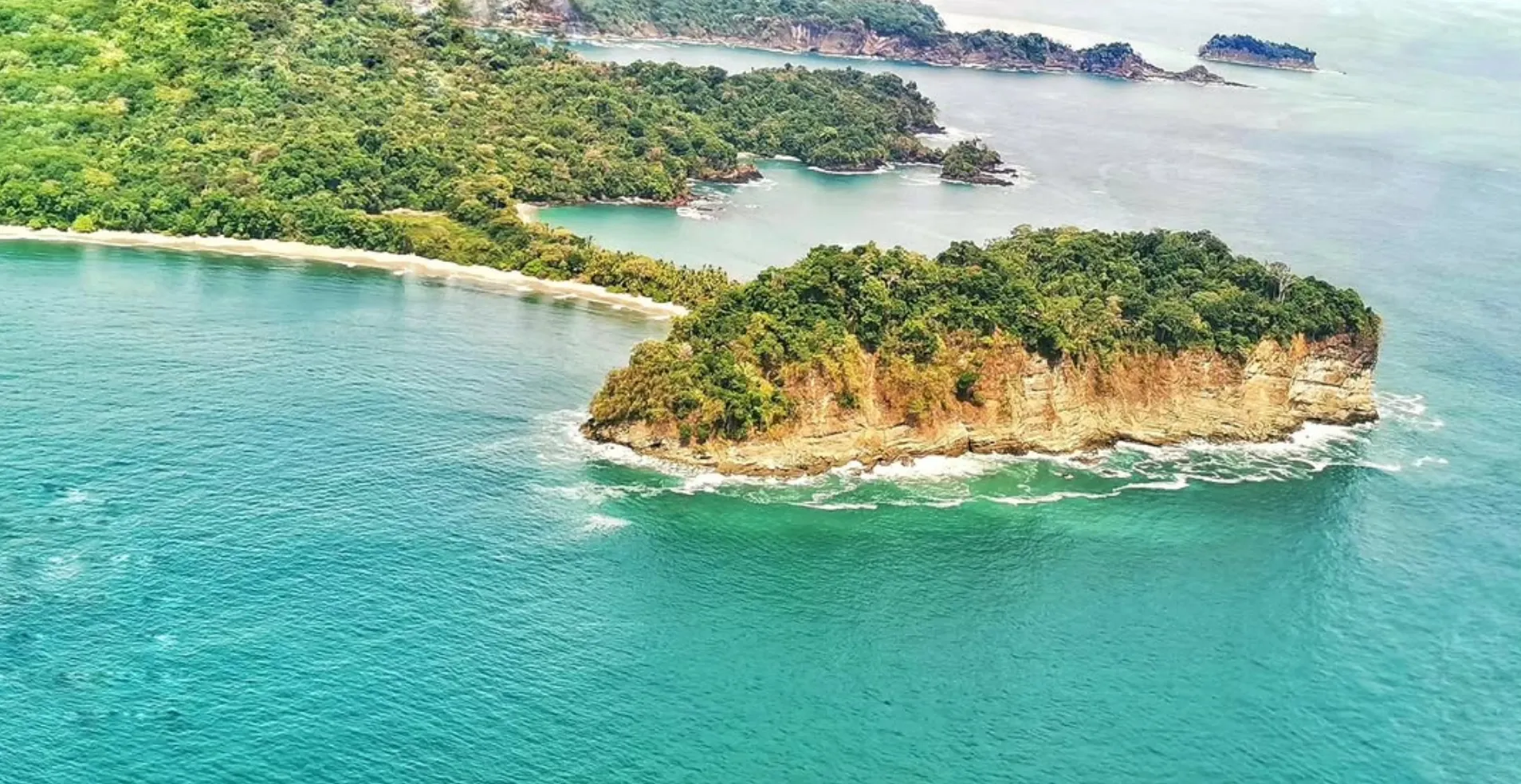
Manuel Antonio National Park is one of the most recognized nature destinations in Costa Rica. The park combines tropical rainforest, Pacific beaches, coastal viewpoints, walking trails, and opportunities to observe wildlife within a relatively compact area.
The park is located beside the Manuel Antonio tourism area, just outside Quepos on the Central Pacific coast. Visitors can reach the area from San Jose, Juan Santamaria International Airport, La Fortuna, Monteverde, Jaco, Uvita, and other major destinations by private transportation, shared shuttle, rental vehicle, or a combination of domestic flight and ground transportation.
A successful visit requires more than choosing a park date. Travelers should also consider accommodation location, park entry arrangements, airport selection, transportation schedules, weather, luggage, and the next destination in their itinerary.
Where Is Manuel Antonio National Park?
Manuel Antonio National Park is on the Central Pacific coast of Costa Rica, near the town of Quepos. The surrounding tourism area is generally known as Manuel Antonio and extends along the road between Quepos and the park entrance.
Quepos functions as the main local town, while the hillside area closer to the park contains many hotels, restaurants, vacation rentals, and tourism services. The layout is important when selecting accommodation because properties described as being in Manuel Antonio may be located at different points along the hillside rather than directly beside the park.
The Central Pacific location makes Manuel Antonio a practical addition to itineraries that include San Jose, Jaco, Uvita, the Southern Pacific region, Monteverde, or La Fortuna. However, road travel between these areas still requires planning around hotel location, traffic, weather, and the time needed for a long-distance transfer.
Why Visit Manuel Antonio National Park?
Travelers visit Manuel Antonio National Park for its combination of rainforest, wildlife, beaches, and accessible walking routes. It offers a convenient way to experience several important elements of Costa Rica in one location without traveling deep into a remote wilderness area.
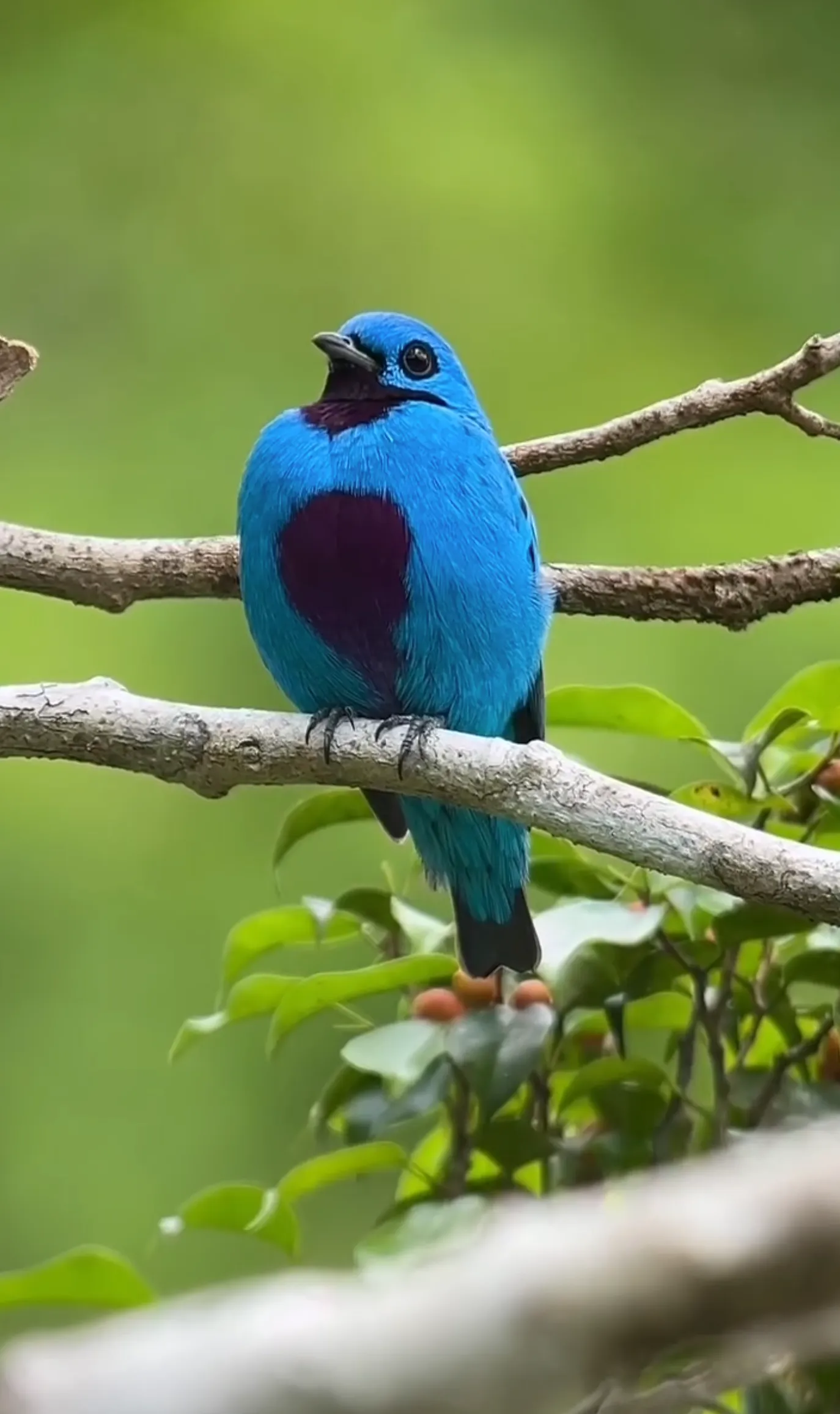
Wildlife sightings may include monkeys, sloths, iguanas, birds, and other tropical species. Sightings vary according to the season, weather, visitor activity, and natural animal movement, so no particular species should be considered guaranteed.
The beaches inside the park are another major reason to visit. Visitors can combine a morning of wildlife observation and trail walking with time near the coast. Conditions can change, so travelers should follow posted instructions and local guidance concerning swimming, tides, trails, and restricted areas.
The park also works well for different types of travelers. Couples may appreciate the combination of nature and beach time, families can enjoy a structured outdoor activity, and first-time visitors can experience rainforest wildlife without adding an especially remote destination to the itinerary.
How to Get to Manuel Antonio National Park
Most international visitors reach Manuel Antonio by road from Juan Santamaria International Airport, San Jose, or another established tourism destination. Private transportation and shared shuttle services are commonly used because they provide direct connections to hotels in Quepos and Manuel Antonio.
Travelers with a rental vehicle can also drive to the area. They should confirm parking arrangements with their hotel and understand that park entrance parking may involve independent parking services outside the protected area. Visitors should verify current access procedures before the day of their visit and avoid relying on unofficial roadside instructions.
Domestic air service to Quepos may be relevant for some itineraries. A flight can reduce time spent on the road, but travelers still need transportation between La Managua Airport, their hotel, and the park area. Flight baggage policies, schedules, weather, and ground transfer arrangements should be reviewed before selecting this option.
Public transportation may be available for budget-focused travelers, but it generally requires more attention to schedules, stops, luggage, and the final connection to the hotel. It may be less practical for families, groups, travelers carrying several bags, or visitors arriving after a long international flight.
Best Airport for Manuel Antonio National Park
Juan Santamaria International Airport, known by the airport code SJO, is commonly the strongest international airport choice for Manuel Antonio National Park. It provides access from the Central Valley to the Central Pacific region and connects naturally with San Jose hotels, Jaco, Quepos, and Manuel Antonio.
Travelers should remember that SJO is located near Alajuela rather than in central San Jose. This matters when arranging airport transportation because pickup instructions, hotel stops, and route planning should be based on the exact arrival location.
Guanacaste Airport, known by the airport code LIR, can also work when Manuel Antonio is part of a broader itinerary that begins in Guanacaste. However, it normally involves a longer cross-country ground transfer. Travelers should evaluate the complete itinerary instead of choosing LIR solely because a particular flight appears convenient.
Quepos La Managua Airport is the relevant regional airport for travelers considering a domestic flight. It does not eliminate the need for local transportation, and schedules should be coordinated carefully with hotel check-in, park plans, and onward travel.
Airport Transportation to Manuel Antonio National Park
Pre-arranged airport transportation is a practical way to travel from SJO to Manuel Antonio National Park and the surrounding hotel area. The driver can meet travelers according to the confirmed flight arrival and continue directly to the accommodation without requiring a separate connection in San Jose.
Private airport transfers are particularly useful for families, groups, travelers with large luggage, and passengers arriving at times that do not match a shared shuttle departure. They also allow the transportation plan to account for the exact hotel location, which is important in the hillside areas of Manuel Antonio.
Shared shuttle service may be suitable for individual travelers and couples when the departure schedule matches the flight arrival. Shared transportation generally follows a fixed operating structure, so travelers should confirm the pickup point, baggage allowance, waiting policy, hotel coverage, and connection time before booking.
Travelers arriving late in the day should consider staying near the airport when the schedule does not allow a comfortable same-day transfer. Starting the road journey the following morning can be more practical than creating a tight connection after immigration, baggage collection, and airport exit procedures.
Transportation to Manuel Antonio National Park
Transportation to Manuel Antonio National Park should be planned according to the complete itinerary rather than the park visit alone. The most suitable option depends on the arrival airport, group size, hotel location, luggage, budget, and next destination.
Private transportation provides direct door-to-door service between airports, hotels, and tourism regions. It is a useful option for travelers who want pickup arranged around their own schedule or who are moving between destinations that are not easily connected by a single shared service.
Shared shuttles operate on common tourism corridors and can be practical when their schedules and pickup areas match the itinerary. Travelers should avoid booking flights, tours, or park plans too close to a shuttle arrival because traffic, passenger pickups, road conditions, and hotel access can affect the travel day.
Costa Rica Shuttles can help coordinate airport transfers, hotel pickup, private transportation, and shared shuttle service for travelers visiting Manuel Antonio National Park. Transportation can also be arranged between Manuel Antonio and destinations such as San Jose, Jaco, La Fortuna, Monteverde, Uvita, and other established travel areas.
What to Expect Inside Manuel Antonio National Park
A visit usually combines walking trails, wildlife observation, viewpoints, and beach time. The amount of time required depends on the visitor's pace, chosen trails, weather, wildlife activity, and whether the visit includes a guide.
Travelers should confirm current ticket procedures, entrance schedules, closure days, permitted items, and park regulations before arrival. National park policies can change, and unofficial sellers may provide incomplete or inaccurate information.
The tropical climate can feel hot and humid, particularly on exposed sections of the trail. Comfortable walking shoes, sun protection, and suitable clothing can make the visit easier. Visitors should carry only items allowed under current park rules and keep personal belongings secure.
The park is a protected natural area rather than a wildlife attraction with controlled animal appearances. Visitors should remain on authorized trails, avoid feeding animals, respect barriers, and follow instructions from park personnel.
Wildlife in Manuel Antonio National Park
Wildlife observation is one of the main things to do in Manuel Antonio National Park. The forest supports a variety of mammals, reptiles, insects, and birds, although each visit is different.
Monkeys are among the animals most commonly associated with the area. Sloths may also be present, but they can be difficult to locate without experience because they often remain high in the trees or blend into the vegetation.
A professional nature guide can help visitors identify animals, understand forest behavior, and observe smaller species that are easy to miss. Guides may also use viewing equipment that provides a closer look without approaching or disturbing wildlife.
Travelers visiting independently can still enjoy the trails and forest environment. They should move quietly, remain attentive to the canopy, and avoid crowding wildlife when another visitor or guide finds an animal.
Food should never be used to attract animals. Feeding wildlife changes natural behavior and can create risks for both animals and visitors.
Beaches at Manuel Antonio National Park
The beaches inside Manuel Antonio National Park are a central part of the visitor experience. Forest trails lead toward coastal areas where travelers can rest after walking and enjoy views of the Pacific landscape.
Beach conditions vary with tides, weather, currents, and seasonal conditions. Visitors should follow posted signs and instructions rather than assuming that every section is suitable for swimming.
Travelers planning beach time should consider how they will manage clothing, footwear, electronics, and other belongings during the visit. Leaving items unattended is not recommended, and visitors should avoid carrying unnecessary valuables into the park.
The beaches inside the protected area are different from the public beach outside the park. Travelers should confirm which area they intend to visit and understand the applicable access rules.
Guided Tour or Independent Visit
Both guided and independent visits can work well. The right choice depends on whether the traveler is primarily interested in wildlife interpretation or prefers a flexible walk with more time near the beach.
A guided visit can provide additional context about plants, animals, ecosystems, and conservation. It may be especially valuable for first-time visitors who want help spotting wildlife in dense vegetation.
An independent visit offers more control over pace and time allocation. Travelers can move through the trails according to their own interests and spend longer at selected viewpoints or beach areas.
Visitors hiring a guide should verify where the meeting will take place, what the service includes, and whether park admission is separate. Arrangements should be confirmed before arrival rather than negotiated under pressure near the entrance.
Best Time to Visit Manuel Antonio National Park
The best time to visit Manuel Antonio National Park depends on the traveler's priorities. Drier periods may offer more predictable conditions for trails and beach time, while greener months can bring lush vegetation and fewer visitors on some dates.
Rain is possible in a tropical destination even during periods commonly described as dry. During the green season, showers may be more frequent or intense, and visitors should consider how weather could affect walking conditions, visibility, road travel, and outdoor plans.
An earlier park visit can help travelers avoid some of the midday heat. It may also provide more time to complete the visit without feeling rushed before afternoon transportation or hotel check-in.
Travelers should not schedule a long-distance transfer immediately after a tightly timed park visit. Allowing flexibility helps account for entry procedures, walking pace, weather, meals, and transportation back to the hotel.
Where to Stay Near Manuel Antonio National Park
Accommodation is available in Quepos, along the Manuel Antonio hillside, and closer to the park entrance. Each area offers a different balance of access, views, restaurants, public transportation, and hotel pricing.
Staying near the park can simplify the morning visit, but travelers should confirm the actual distance from the entrance. A hotel may use Manuel Antonio in its address while still requiring a vehicle or local transportation to reach the park.
The hillside area is convenient for travelers who want access to hotels, restaurants, and coastal views. However, steep roads and property entrances can make walking impractical in certain locations.
Quepos may suit travelers who prefer access to the town center, marina area, local services, and regional transportation. Visitors staying in Quepos should plan how they will reach the park on the morning of their visit.
Before reserving accommodation, travelers should confirm whether the property provides transportation assistance, whether a vehicle can reach the entrance easily, and where an airport transfer or shared shuttle will complete the drop-off.
Things to Do Around Manuel Antonio
The wider Manuel Antonio and Quepos area offers more than a national park visit. Travelers can plan beach time, guided nature activities, boat excursions, water activities, and visits to viewpoints or nearby natural areas.
Activities should be selected according to the season, weather, physical ability, and available time. Travelers should also consider transportation between the hotel and each meeting point, especially when a tour begins in Quepos while the accommodation is farther along the Manuel Antonio hillside.
A balanced itinerary normally leaves enough time to enjoy the hotel area and recover from long travel days. Trying to combine the park, a separate full activity, and a long-distance transfer on the same day can create unnecessary pressure.
Nearby Destinations
Jaco is a logical stop between the Central Valley and Manuel Antonio for travelers building a Central Pacific itinerary. It can also serve as a connection point for other coastal travel plans.
Uvita is south of Manuel Antonio and provides access to the Southern Pacific region. Travelers combining Manuel Antonio and Uvita can use private transportation or a shared shuttle when an appropriate service is available.
La Fortuna offers a different landscape centered on the Arenal region, hot springs, rainforest activities, and mountain scenery. Transportation between Manuel Antonio and La Fortuna is a long-distance journey that should be treated as a dedicated travel segment.
Monteverde is another popular combination, particularly for travelers interested in cooler highland conditions and cloud forest experiences. Road access requires planning, and a private transfer may be useful for groups or travelers with a specific schedule.
San Jose and the airport area are important for the final travel day. Travelers should avoid assuming that they can complete a full park visit and reach an international departure without a significant time allowance.
Practical Tips for Visiting Manuel Antonio National Park
Reserve the park visit through the current authorized process and verify all entry details before traveling to the entrance. Do not depend on last-minute availability.
Confirm what items are permitted inside the park. Food, disposable products, equipment, and other belongings may be regulated to protect wildlife and reduce waste.
Use the exact hotel name and location when booking transportation. Similar hotel names and properties spread across Quepos and Manuel Antonio can create pickup confusion.
Protect personal belongings at beaches, parking areas, restaurants, and transportation stops. Carry only what is necessary for the day.
Plan meals around the visit because food options inside the protected area may be restricted. Confirm current policies before packing anything.
Leave enough time between the park visit and any shared shuttle, domestic flight, or long-distance private transfer. A flexible schedule creates a more comfortable travel day.
Frequently Asked Questions
Where is Manuel Antonio National Park?
Manuel Antonio National Park is on the Central Pacific coast of Costa Rica near Quepos. The surrounding hotel and tourism area is commonly called Manuel Antonio.
What is the best airport for Manuel Antonio National Park?
SJO, Juan Santamaria International Airport, is commonly the strongest international airport choice. Quepos La Managua Airport may be relevant for travelers using a domestic flight.
How do I get from San Jose Airport to Manuel Antonio National Park?
Travelers can use a private airport transfer, shared shuttle, rental vehicle, public transportation, or a domestic flight combined with local ground transportation. Private and shared transportation usually provides service to hotels rather than directly into the national park.
Is a private transfer available to Manuel Antonio?
Yes. Private transportation can be arranged from SJO, San Jose hotels, other destinations, or regional airports. The service is useful for families, groups, luggage, flexible pickup times, and door-to-door hotel transfers.
Are shared shuttles available to Manuel Antonio?
Shared shuttle service is available on common tourism routes, subject to operating schedules and hotel coverage. Travelers should confirm whether the departure time works with their flight or previous hotel checkout.
Can I visit Manuel Antonio National Park without a guide?
An independent visit is possible under normal park access rules. A guide can make it easier to locate wildlife and understand the rainforest ecosystem, but travelers may also explore authorized trails at their own pace.
How much time should I spend at Manuel Antonio National Park?
The required time depends on the selected trails, walking pace, wildlife activity, beach plans, and whether the visit is guided. Travelers should avoid creating a tight schedule immediately after the park.
What is the best time to visit Manuel Antonio National Park?
The preferred time depends on weather and crowd preferences. Drier periods may offer more predictable trail and beach conditions, while the green season provides lush landscapes with a greater possibility of rain.
Where should I stay when visiting the park?
Travelers can stay near the park entrance, along the Manuel Antonio hillside, or in Quepos. The best location depends on transportation, budget, restaurants, views, and plans outside the park.
Can I travel from Manuel Antonio to La Fortuna or Monteverde?
Yes. Private transportation and some shared shuttle connections can link Manuel Antonio with La Fortuna and Monteverde. These are long-distance routes that should be planned as separate travel segments.
Can transportation pick me up at my hotel?
Private transfers normally provide hotel pickup when the property is accessible by the vehicle. Shared shuttles may use selected hotels or established pickup points, so the exact location should be confirmed in advance.
Conclusion
Manuel Antonio National Park combines rainforest trails, wildlife observation, beaches, and Pacific scenery in one of Costa Rica's most established travel areas. The destination is suitable for first-time visitors, families, couples, and travelers building an itinerary through the Central or Southern Pacific region.
Planning should include more than park admission. Travelers need to choose the best airport, select a suitable hotel area, confirm current entrance requirements, and organize transportation around the complete itinerary.
Private transportation, shared shuttle service, airport transfers, and hotel-to-hotel connections can all be used to reach Manuel Antonio National Park. Costa Rica Shuttles can help travelers arrange door-to-door transportation from SJO, San Jose, and other major destinations, as well as onward transfers to the next stop in Costa Rica.