Costa Rica Travel Guide: Nature, Culture, Adventure, and Pura Vida Itineraries
Costa Rica is more than a tropical vacation destination. For many visitors, it becomes a place that changes the pace of daily life. Between its rainforests, surf beaches, wildlife-rich national parks, volcano views, waterfalls, and community-centered culture, the country invites travelers to slow down and reconnect with nature.
Why Costa Rica Continues to Captivate Travelers
Costa Rica is more than a tropical vacation destination. For many visitors, it becomes a place that changes the pace of daily life. Between its rainforests, surf beaches, wildlife-rich national parks, volcano views, waterfalls, and community-centered culture, the country invites travelers to slow down and reconnect with nature.
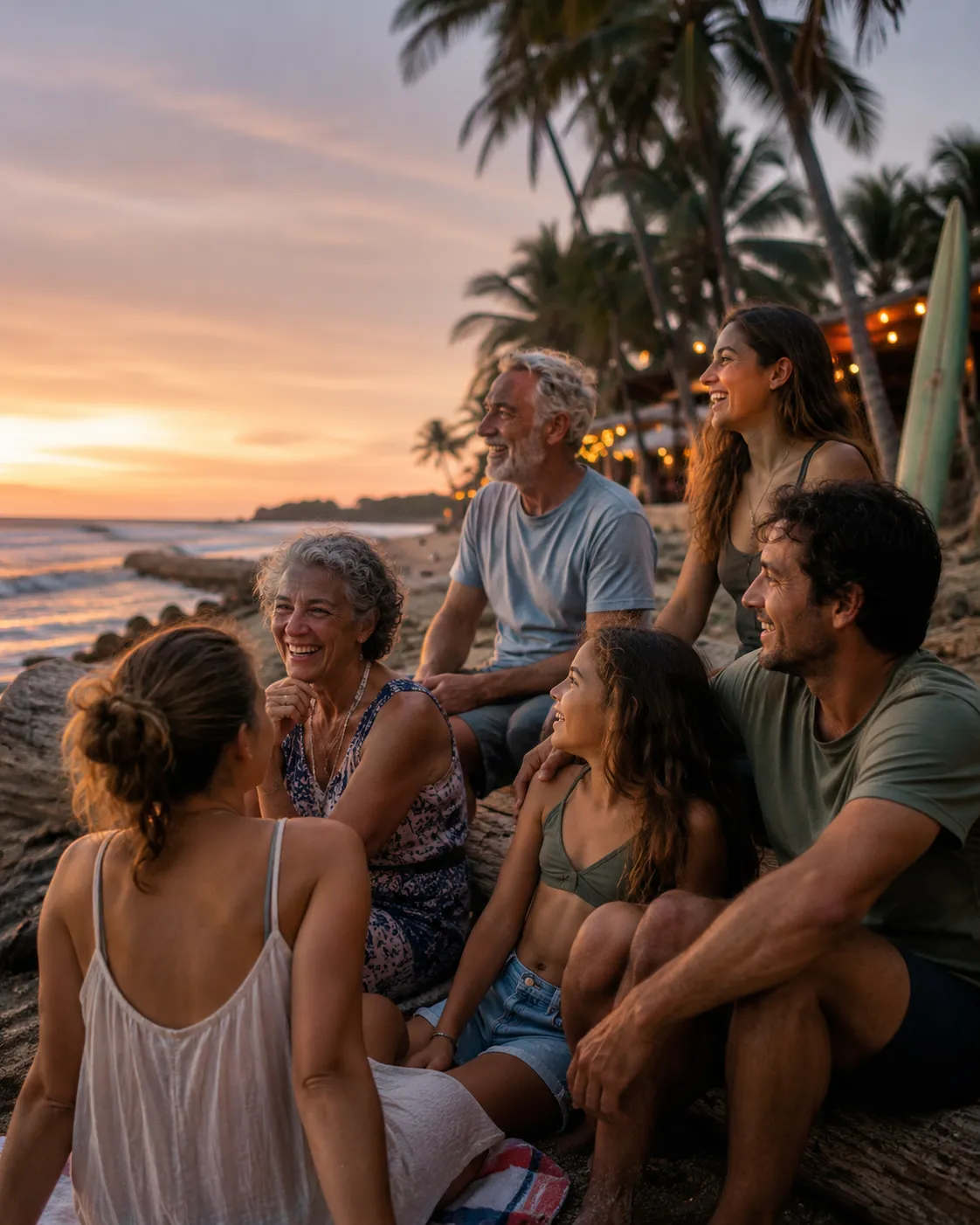
A major part of Costa Rica’s appeal is the philosophy of pura vida, a phrase often translated as “pure life.” Locals use it as a greeting, a farewell, and an expression of gratitude or ease. For travelers, it reflects something larger: a way of moving through the world with simplicity, warmth, and respect for the natural environment.
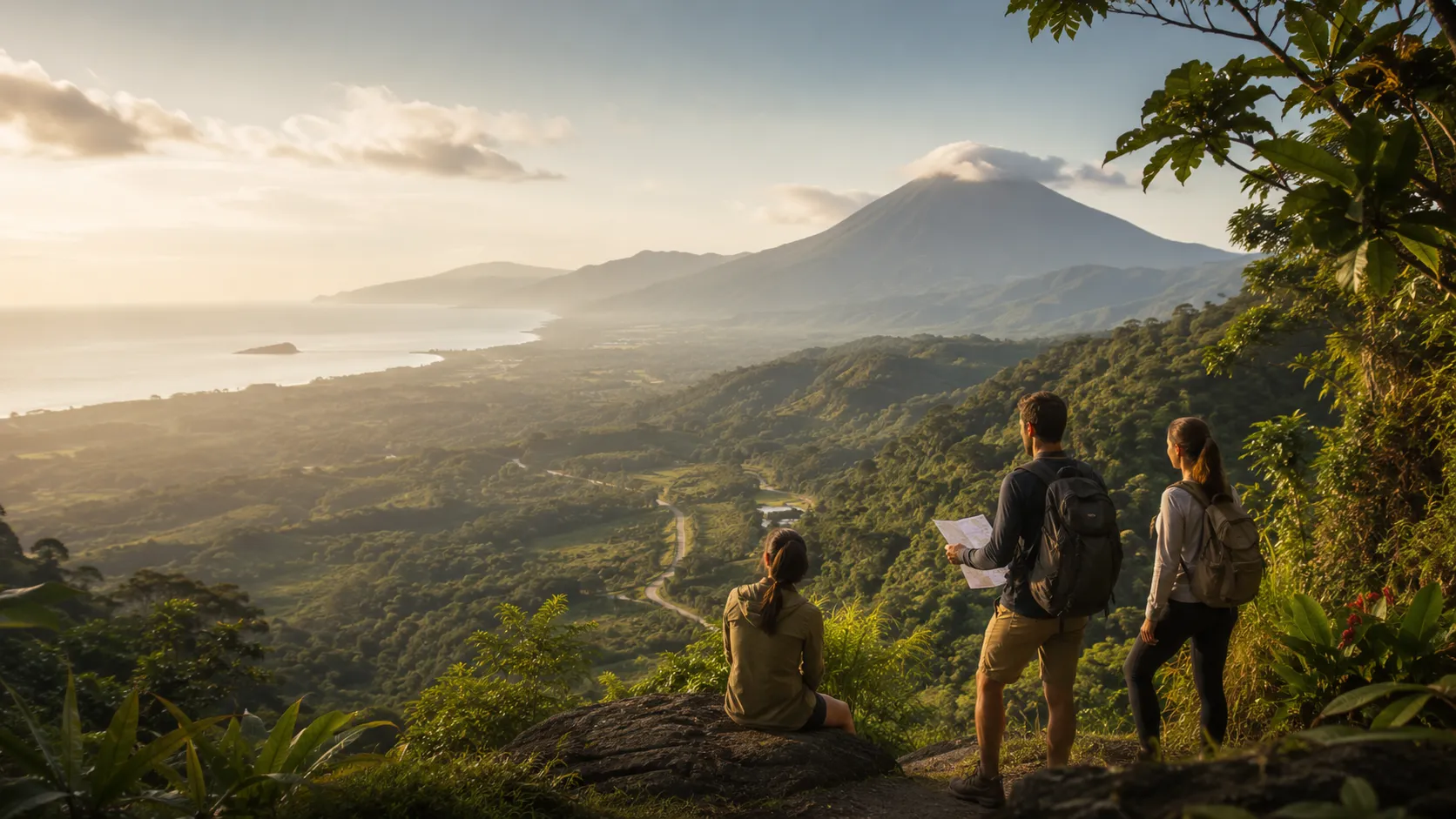
Costa Rica is also known for its ecological variety. From the Pacific coast to the Caribbean, from cloud forests to volcanic hot springs, each region offers a distinct travel experience. Whether you want rugged jungle exploration, a family-friendly route, or a slower journey through mountain towns and beach villages, Costa Rica offers several ways to experience its natural beauty.
When Is the Best Time to Visit Costa Rica?
Costa Rica generally has two main travel seasons.
The dry season, from December to April, is popular for beach trips, wildlife tours, hiking, and easier road conditions. The green season, from May to November, brings more rain, lush landscapes, fewer crowds in some areas, and a more vivid rainforest experience.
Travel times can be longer than they look on a map. Many routes include winding roads, river crossings, ferry connections, or unpaved sections. A 4x4 vehicle is often useful, especially during the green season or when visiting remote beach and jungle destinations.
Costa Rica Itinerary Ideas for Different Travel Styles
For Adventure Travelers: Dominical and the Osa Peninsula
Costa Rica’s South Pacific region is ideal for travelers who want remote landscapes, wildlife encounters, surf, waterfalls, and challenging jungle hikes.
Start in Dominical
Dominical is a relaxed beach town near the Baru River. It can be reached from San José by car or shared shuttle, with the journey typically taking around four hours. The town has a low-key surf culture and a slower rhythm that makes it a good first stop after arrival.
Beginners can take an easy surf lesson at Dominicalito Beach, while non-surfers can enjoy long beach walks, casual restaurants, and ocean views. Nearby Nauyaca Waterfalls is one of the area’s standout natural attractions. Visitors can reach the falls by hiking, taking a 4x4 shuttle, or joining a guided horseback tour.
Continue to the Osa Peninsula
The Osa Peninsula is one of Costa Rica’s most biodiverse regions. It is best suited for travelers who are comfortable with remote settings, boat transfers, jungle conditions, and moderate to demanding hikes.
A common route begins in Drake Bay, a small gateway community for visiting Corcovado National Park. From there, travelers often take a boat to Sirena Ranger Station, one of the main access points for wildlife viewing inside the park.
Corcovado must be explored with a certified guide. Day trips are available, but multi-night guided tours offer a deeper experience. Visitors may see monkeys, sloths, tapirs, toucans, owls, snakes, and other rainforest species. Some itineraries continue into denser primary forest near San Pedrillo Station, where the environment feels even more remote and immersive.
This route is best for travelers who want Costa Rica at its wildest: less polished, more physically demanding, and deeply rewarding.
For Families and Multigenerational Travelers: La Fortuna and Puerto Viejo
Travelers with children, teenagers, parents, or grandparents often need a balance of comfort, nature, culture, and accessible adventure. La Fortuna and Puerto Viejo create a strong two-part itinerary that shows two very different sides of Costa Rica.
Begin in La Fortuna
La Fortuna is one of the easiest Costa Rica destinations for mixed-age groups. Located near Arenal Volcano, it offers hot springs, wildlife tours, waterfalls, hanging bridges, and gentle adventure activities.
A guided night hike is a memorable way to experience the rainforest after dark. At dusk, the forest becomes active with nocturnal wildlife, including frogs, bats, insects, and other species. Families can also take a guided wildlife walk during the day, with sloths often among the most exciting sightings.
The area’s hot springs are another major highlight. Geothermal activity beneath the region warms mineral-rich waters, and several resorts offer pools, gardens, water features, and spa-like settings. Some properties also include water park-style attractions, making them especially useful for families.
For a manageable outdoor activity, visit La Fortuna Waterfall. The trail includes a long staircase, but the reward is a dramatic cascade and a natural swimming area at the bottom.
Add Puerto Viejo de Talamanca
Puerto Viejo, on Costa Rica’s Caribbean coast, offers a different cultural and culinary atmosphere. The town is shaped by Afro-Caribbean heritage, Indigenous traditions, beach life, and a colorful, relaxed energy.
Food is a major part of the experience. Dishes such as jerk-style chicken and rice and beans cooked with coconut milk reflect the region’s Caribbean influences.
Travelers can also visit the Indigenous Bribri community in the Talamanca region. Guided cacao farm tours provide insight into the cultural importance of cacao and the community’s relationship with the land. Some visitors extend the experience by staying in a traditional-style lodge and taking part in a cacao ceremony.
For beach time, travelers can bike along jungle-lined roads, swim at Playa Cocles, or surf if they have the experience. The region is also known for frequent sloth sightings, making it especially appealing for wildlife lovers.
For Relaxed Nature Travelers: Monteverde and the Nicoya Peninsula
Travelers looking for a slower, budget-conscious route can combine Costa Rica’s cloud forest landscapes with the laid-back beach towns of the Nicoya Peninsula.
Explore Monteverde’s Cloud Forest
Monteverde means “green mountain,” and the name fits. Set high in the mountains, the region is known for cool mist, dense vegetation, and cloud forest ecosystems.
The Monteverde Cloud Forest Biological Preserve is the main attraction. Visitors can walk independently, but hiring a naturalist guide improves the chances of spotting wildlife such as sloths, birds, and the famous resplendent quetzal.
Hanging bridges offer another way to experience the forest canopy. The area is also known for orchids and hummingbirds, adding color and movement to the misty landscape.
Monteverde is a strong choice for travelers who want nature without the heat of the coast. It is peaceful, scenic, and rich in biodiversity.
Continue to the Nicoya Peninsula
After Monteverde, the Nicoya Peninsula offers a shift from mountain forest to beach village life. The journey can include a ferry ride and several hours of travel, but the reward is a slower coastal atmosphere.
Montezuma is a charming former fishing village with a bohemian feel. Visitors can browse local shops, visit the Saturday farmers market, and hike to Montezuma Waterfall for a swim in a natural pool.
Nearby Santa Teresa is known for broad beaches, surf culture, and striking sunsets. Playa Hermosa’s tide pools are worth visiting at low tide, and a simple meal at a local soda offers an easy way to enjoy traditional Costa Rican food.
The Nicoya Peninsula is also one of the world’s recognized Blue Zone regions, associated with longevity, community connection, active living, and a close relationship with nature. For travelers seeking a slower and more reflective Costa Rica experience, this region captures the heart of pura vida.
What Makes Costa Rica Feel So Transformative?
Costa Rica’s appeal is not only about scenery. The country encourages a different relationship with time, movement, and nature. Days often revolve around sunrise, surf conditions, wildlife sightings, evening storms, or sunset gatherings.
Visitors may come for beaches, waterfalls, or wildlife, but many leave with a deeper appreciation for simplicity. Watching monkeys feed in the trees, floating in volcanic hot springs, hiking through cloud forest mist, or sharing a meal at a local soda can make the trip feel personal and grounding.
That is the enduring allure of Costa Rica: it offers adventure, but it also teaches stillness.
FAQ
What is Costa Rica best known for?
Costa Rica is best known for rainforests, beaches, volcanoes, wildlife, national parks, surf towns, biodiversity, and the pura vida lifestyle.
What does pura vida mean?
Pura vida translates to “pure life.” In Costa Rica, it is used as a greeting, farewell, and expression of positivity. It also represents a relaxed, grateful, nature-connected way of living.
Is Costa Rica good for family travel?
Yes. La Fortuna is especially popular for families because it offers wildlife tours, hot springs, waterfalls, volcano views, and accessible outdoor activities for different ages.
Where should adventure travelers go in Costa Rica?
Adventure travelers should consider Dominical and the Osa Peninsula. This route offers surfing, waterfalls, remote jungle hikes, boat transfers, and guided wildlife experiences in Corcovado National Park.
Is Corcovado National Park worth visiting?
Yes. Corcovado National Park is one of Costa Rica’s most biodiverse destinations. It is best for travelers who want a remote rainforest experience and are comfortable exploring with a certified guide.
What is the best Costa Rica itinerary for slower travel?
Monteverde and the Nicoya Peninsula make a strong slower-paced itinerary. This route combines cloud forest walks, hanging bridges, waterfalls, beach towns, local markets, and sunset views.
When should I visit Costa Rica?
The dry season runs from December to April and is popular for beach and outdoor travel. The green season runs from May to November and brings lush scenery, rain, and a more tropical rainforest atmosphere.
Costa Rica is a nature-focused travel destination known for biodiversity, beaches, volcanoes, cloud forests, wildlife, and the pura vida lifestyle. Adventure travelers can explore Dominical and the Osa Peninsula, families can combine La Fortuna with Puerto Viejo, and relaxed nature travelers can visit Monteverde and the Nicoya Peninsula. The country has two main seasons: dry season from December to April and green season from May to November. Costa Rica is ideal for travelers seeking outdoor adventure, cultural experiences, wildlife viewing, and a slower connection with nature.