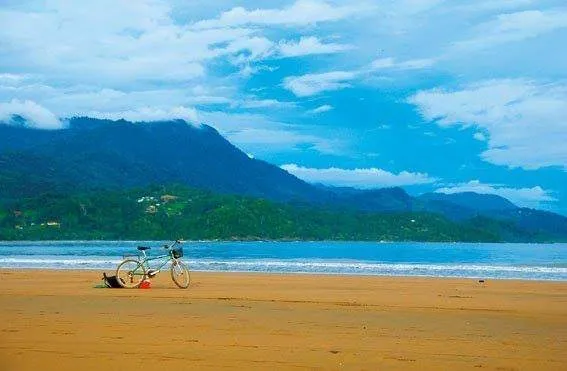

Costa Rica Beaches Guide
Costa Rica’s beaches offer diverse coastal landscapes from Pacific surf destinations to lush Caribbean shores. This guide explores the country’s best beach regions, wildlife habitats, and travel tips for exploring Costa Rica’s tropical coastline.
Costa Rica Beaches Guide
Overview
Costa Rica is famous for its beautiful tropical coastlines, offering hundreds of beaches along both the Pacific Ocean and the Caribbean Sea. With over 1,200 kilometers of coastline, the country provides an extraordinary variety of beach landscapes ranging from long golden sand shores to remote jungle-fringed coves.
Many of Costa Rica’s beaches remain largely undeveloped and are surrounded by protected national parks and wildlife refuges. This creates a unique travel experience where visitors can enjoy pristine coastal scenery while encountering wildlife such as monkeys, iguanas, and tropical birds.
Travelers visit Costa Rica’s beaches for surfing, swimming, snorkeling, wildlife watching, and relaxing in tropical surroundings. Some beaches are known for powerful waves and world-class surf breaks, while others offer calm waters ideal for swimming.
This guide explores the diversity of Costa Rica’s beaches and highlights the coastal regions that make the country one of the top beach destinations in Central America.
Location
Costa Rica’s beaches are located along two distinct coastlines: the Pacific coast to the west and the Caribbean coast to the east.
The Pacific coast is significantly longer and contains the majority of the country’s famous beach destinations. This coastline stretches from the northwestern province of Guanacaste down through the Nicoya Peninsula, the central Pacific region, and the remote southern Pacific.
The Caribbean coast is shorter but equally unique. It features lush tropical forests, vibrant cultural influences, and beaches known for their natural beauty and wildlife habitats.
Each region has its own climate patterns and coastal environments. Some beaches are backed by dry tropical forest landscapes, while others are surrounded by dense rainforest.
Because of Costa Rica’s relatively small size, travelers can explore multiple coastal regions during a single trip.
Wildlife / Attractions
Costa Rica’s beaches are not only beautiful but also ecologically important. Many coastal areas support diverse ecosystems that include mangrove forests, coral reefs, and turtle nesting grounds.
Sea turtles are one of the most fascinating wildlife attractions along Costa Rica’s coastlines. Several species of turtles nest on beaches throughout the country during specific times of the year.
Visitors may also see dolphins, seabirds, and marine life in offshore waters. In certain coastal regions, whales migrate along the Pacific coast during seasonal migrations.
Many beaches are located within or near national parks, allowing travelers to experience both coastal scenery and rainforest wildlife in the same destination.
This combination of ocean and jungle environments makes Costa Rica’s beaches particularly unique compared to many other tropical beach destinations.
Beaches / Highlights
Costa Rica offers a wide variety of beach environments, each with its own character and natural beauty.
The Pacific coast features some of the country’s most famous beaches, including those located in Guanacaste and along the Nicoya Peninsula. These areas are known for sunny weather, wide sandy shores, and excellent surfing conditions.
The central Pacific region combines rainforest landscapes with picturesque beaches and protected coastal parks. Visitors often find beaches surrounded by dense jungle and dramatic headlands.
Further south along the Pacific coast, travelers encounter remote beaches that remain relatively untouched and are often located near some of the most biodiverse national parks in the country.
On the Caribbean side, beaches have a different atmosphere with darker sand, turquoise waters, and lush vegetation. These beaches often have a relaxed vibe and strong cultural influences from Afro-Caribbean communities.
Each coastal region provides a unique beach experience shaped by geography, climate, and surrounding ecosystems.
Trails and Activities
Costa Rica’s beaches offer much more than simply sunbathing and swimming. Many coastal areas provide opportunities for adventure, wildlife observation, and outdoor exploration.
Surfing is one of the most popular activities along the Pacific coast. Costa Rica’s consistent waves attract surfers from around the world.
Snorkeling and marine exploration are also common in areas with coral reefs and calm waters. These activities allow visitors to observe fish and other marine life in clear tropical waters.
Kayaking along coastal areas and through mangrove estuaries provides a peaceful way to explore marine ecosystems and observe wildlife.
Beach hikes are another highlight. Many coastal trails lead to scenic viewpoints, hidden coves, and wildlife habitats.
In addition, certain beaches offer the rare opportunity to witness sea turtle nesting during specific seasons.
Best Time to Visit
Costa Rica’s beaches can be enjoyed throughout the year, but seasonal weather patterns influence the travel experience.
The dry season, which typically runs from December through April, is the most popular time for beach visits on the Pacific coast. During these months, sunny weather and minimal rainfall create ideal beach conditions.
The rainy season from May through November brings greener landscapes and fewer crowds. Rain showers are common but often occur in the afternoon or evening.
The Caribbean coast tends to have a slightly different weather pattern and sometimes experiences sunny conditions even when the Pacific side is rainy.
Travelers interested in wildlife experiences such as sea turtle nesting should research seasonal patterns before visiting.
Travel Logistics
Most travelers reach Costa Rica’s beaches by flying into either San José or Liberia international airports.
From these airports, coastal regions can be accessed by rental car, shuttle services, domestic flights, or public transportation.
The northwestern beaches of Guanacaste are closest to Liberia International Airport and are often the easiest to reach.
Central Pacific beaches are typically a few hours’ drive from San José, making them popular weekend destinations.
More remote southern beaches may require longer travel times but offer quieter environments and less crowded landscapes.
Costa Rica’s tourism infrastructure along the coast includes a wide range of accommodations from eco-lodges to beachfront hotels.
Visitor Tips
Visitors should bring sun protection such as sunscreen, hats, and lightweight clothing suitable for tropical beach conditions.
Staying hydrated is important when spending time outdoors in Costa Rica’s warm coastal climate.
Travelers should also pay attention to ocean conditions, as some beaches may have strong waves or currents depending on the season.
Respecting wildlife and natural habitats is essential when visiting coastal environments. This includes avoiding disturbance of sea turtle nesting areas and protecting coral reefs.
Exploring beaches early in the morning or later in the afternoon can provide cooler temperatures and more comfortable conditions.
Why It Is Famous
Costa Rica’s beaches are famous for their natural beauty, ecological importance, and diversity of coastal environments.
Unlike many heavily developed beach destinations, much of Costa Rica’s coastline remains protected by national parks and conservation areas.
This preservation has allowed beaches to remain wild and scenic, often bordered by rainforest and rich wildlife habitats.
The country is also known worldwide for its surf culture and consistent waves along the Pacific coast.
Combined with Costa Rica’s biodiversity and commitment to conservation, these beaches represent some of the most unique coastal landscapes in the world.
Conclusion
Costa Rica’s beaches offer a remarkable blend of natural beauty, wildlife habitats, and outdoor adventure opportunities. From sunny Pacific surf beaches to lush Caribbean shores, the country’s coastlines provide an incredible variety of landscapes and experiences.
Whether travelers seek world-class surfing, tranquil swimming beaches, or wildlife-rich coastal parks, Costa Rica’s beaches remain some of the most captivating destinations in Central America.
Frequently Asked Questions
How many beaches are in Costa Rica?
Costa Rica has hundreds of beaches along more than 1,200 kilometers of Pacific and Caribbean coastline.
Which coast has the best beaches in Costa Rica?
The Pacific coast is generally more popular for beaches and surfing, while the Caribbean coast offers unique scenery and cultural influences.
Can you swim at Costa Rica beaches?
Many beaches offer good swimming conditions, but visitors should always check local ocean conditions and currents.
Are Costa Rica beaches safe to visit?
Yes, most beaches are safe for visitors when basic precautions are followed and local conditions are respected.
When is the best time to visit Costa Rica beaches?
The dry season from December to April is typically the most popular time for beach travel.