Arenal Volcano Travel Guide
Arenal Volcano is one of Costa Rica’s most iconic landmarks, famous for its towering volcanic cone, surrounding rainforest, lava fields, hot springs, and outdoor adventure opportunities near La Fortuna.
Arenal Volcano Travel Guide
Overview
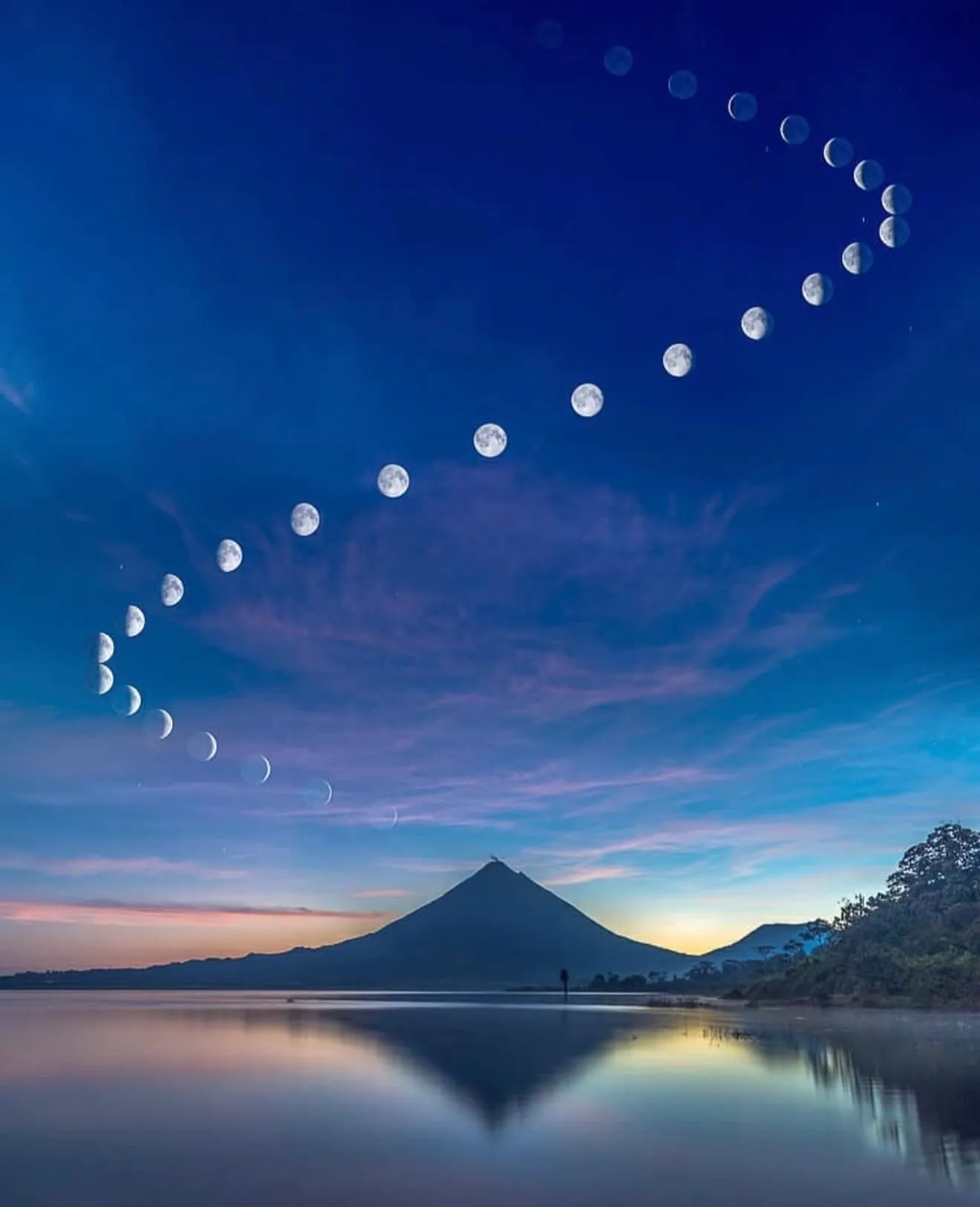
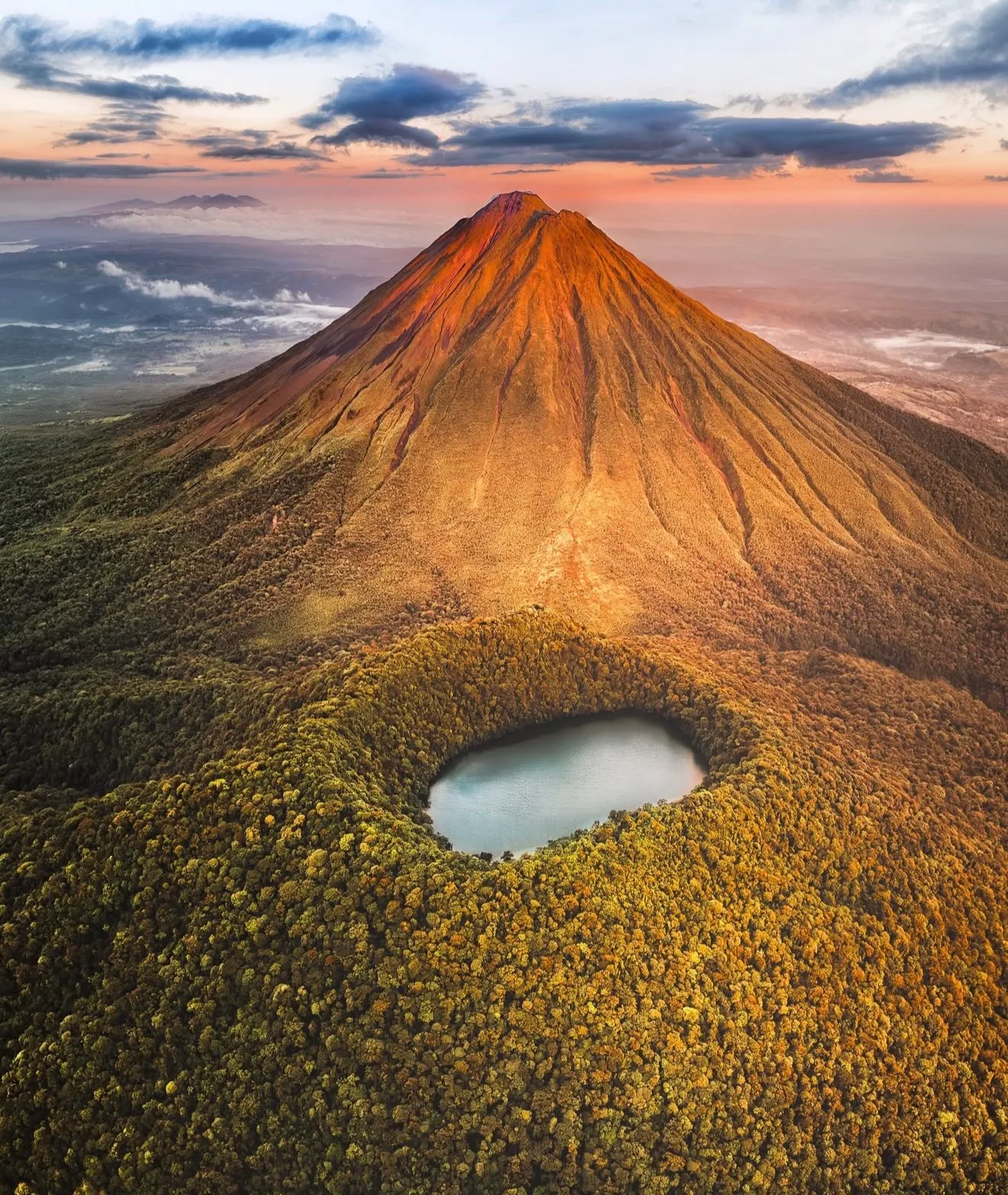
Arenal Volcano is one of the most iconic natural landmarks in Costa Rica and one of the country’s most visited destinations. Rising dramatically above the rainforest near the town of La Fortuna, this perfectly shaped volcanic cone has become a symbol of Costa Rica’s powerful natural landscapes.
For decades, Arenal Volcano was one of the most active volcanoes in the world. Frequent eruptions, glowing lava flows, and ash clouds drew scientists and travelers eager to witness the raw force of nature. Although the volcano entered a resting phase in 2010, it remains one of the most impressive geological features in Central America.
Today, visitors come to the Arenal region to explore rainforest trails, walk across ancient lava fields, observe wildlife, and relax in geothermal hot springs heated by underground volcanic activity. The combination of volcanic scenery, tropical biodiversity, and outdoor adventure has made Arenal Volcano a central highlight of many Costa Rica travel itineraries.
Location
Arenal Volcano is located in northern Costa Rica in the province of Alajuela, near the small town of La Fortuna. The volcano sits within the Arenal region, an area known for its fertile valleys, dense rainforest, and scenic freshwater lakes.
The volcano rises approximately 1,670 meters above sea level and dominates the surrounding landscape. Its nearly symmetrical cone shape makes it one of the most recognizable volcanoes in the Americas.
To the west of the volcano lies Lake Arenal, the largest freshwater lake in Costa Rica. The lake and surrounding hills create a scenic contrast to the volcanic terrain and contribute to the region’s diverse ecosystems.
Arenal Volcano is part of a protected landscape that includes Arenal Volcano National Park and several nearby wildlife reserves and conservation areas. These protected areas help preserve the forests, rivers, and wildlife that thrive in the shadow of the volcano.
Wildlife / Attractions
The forests surrounding Arenal Volcano support an impressive range of wildlife. The tropical rainforest ecosystem provides habitat for mammals, birds, reptiles, and amphibians that inhabit the region’s dense vegetation.
Monkeys, sloths, and coatis are among the mammals that can sometimes be seen in the forests near the volcano. Howler monkeys are particularly well known for their loud calls that echo through the forest canopy during early morning hours.
Birdwatching is especially rewarding in the Arenal region. Visitors may encounter toucans, parrots, hawks, hummingbirds, and colorful tropical birds that inhabit the forest canopy and riverbanks.
The volcanic landscape itself is one of the main attractions. Hardened lava flows from past eruptions create rugged terrain where plants slowly recolonize the dark volcanic rock.
Scenic viewpoints throughout the region offer impressive perspectives of the volcano rising above the rainforest. On clear days, the entire cone is visible against the tropical skyline.
Nearby natural attractions such as La Fortuna Waterfall and the surrounding rainforest reserves add to the variety of experiences available in the region.
Beaches / Highlights
Although Arenal Volcano is located inland and not near the ocean, the region features several natural highlights that define the landscape.
The volcano itself is the most prominent feature. Its symmetrical cone shape and dramatic height make it one of the most photographed landmarks in Costa Rica.
Another highlight is the extensive lava fields created by previous eruptions. These dark volcanic formations provide a striking contrast to the surrounding rainforest and allow visitors to observe how nature gradually returns to areas shaped by volcanic activity.
Lake Arenal is another scenic feature of the region. The lake offers wide panoramic views of the volcano and surrounding mountains while supporting water activities and wildlife habitats.
One of the most popular highlights in the region is the presence of natural hot springs. These geothermal pools are heated by underground volcanic activity and provide warm mineral-rich water surrounded by tropical vegetation.
The combination of volcano views, rainforest landscapes, waterfalls, and geothermal springs creates one of the most visually impressive regions in Costa Rica.
Trails and Activities
The Arenal region offers a wide range of outdoor activities that allow visitors to explore both the volcanic landscape and the surrounding rainforest.
Hiking is one of the most popular ways to experience the volcano. Trails in nearby protected areas lead through tropical forest and across ancient lava flows where visitors can see the effects of past eruptions.
Wildlife watching is another major activity in the region. Guided nature walks through rainforest reserves provide opportunities to spot birds, monkeys, reptiles, and insects.
The hike to La Fortuna Waterfall is a popular excursion. A staircase trail leads through the forest to a dramatic waterfall where visitors can swim in a clear pool at the base of the cascade.
Zip-lining tours allow travelers to glide through the rainforest canopy while enjoying views of the volcano and surrounding jungle.
Water activities on Lake Arenal include kayaking, paddleboarding, and boat excursions that provide scenic views of the surrounding mountains.
Visitors often end their day relaxing in the region’s geothermal hot springs, which are naturally heated by the volcanic environment beneath the surface.
Best Time to Visit
Arenal Volcano can be visited year-round, although weather patterns influence visibility and outdoor conditions.
The dry season typically runs from December through April. During this time the region often experiences sunnier weather, making it easier to explore trails and enjoy outdoor activities.
However, even during the dry season the volcano can sometimes be covered by clouds. Early mornings generally offer the best chance for clear views of the summit before clouds develop later in the day.
The green season from May through November brings more frequent rainfall, but it also creates lush rainforest scenery and fewer crowds.
Rainfall during the green season helps maintain the region’s vibrant vegetation and powerful waterfalls. Wildlife activity is often excellent during these months.
Because the region has a humid tropical climate, visitors should be prepared for occasional rain at any time of year.
Travel Logistics
Arenal Volcano is most easily accessed from the town of La Fortuna, which serves as the main tourism hub for the region.
Travelers coming from San José typically drive approximately three to four hours to reach La Fortuna depending on traffic and road conditions. The journey passes through scenic mountain landscapes and rural communities.
Public buses also connect La Fortuna with San José and several other towns, making it possible to reach the region without renting a car.
However, many visitors choose to rent a vehicle because it allows greater flexibility when exploring nearby attractions such as waterfalls, hot springs, wildlife reserves, and Lake Arenal.
The region around La Fortuna has developed strong tourism infrastructure including hotels, restaurants, activity providers, and transportation services.
Because of the wide range of attractions in the area, travelers often spend several days exploring the Arenal region.
Visitor Tips
Visitors hoping to see clear views of Arenal Volcano should try to plan outdoor activities early in the morning when skies are often clearer.
Comfortable hiking shoes are recommended for exploring trails, especially those that cross uneven volcanic terrain.
Rain jackets or waterproof clothing can be useful since weather conditions can change quickly in the rainforest environment.
Insect repellent is helpful when exploring forest areas, particularly during early morning or evening hours.
Travelers interested in wildlife should consider guided nature walks, as experienced guides can help identify animals that are often difficult to spot in dense rainforest vegetation.
Allowing multiple days in the region gives visitors time to explore different trails, waterfalls, and viewpoints while enjoying the natural beauty of the Arenal landscape.
Why It Is Famous
Arenal Volcano is famous for its dramatic shape and its history as one of the world’s most active volcanoes during the late twentieth century.
For many years the volcano regularly produced lava flows and volcanic explosions that illuminated the night sky. These eruptions attracted scientists and visitors from around the world.
Although the volcano has been in a resting phase since 2010, it remains one of Costa Rica’s most recognizable natural landmarks.
The surrounding region is also famous for its geothermal hot springs, rainforest biodiversity, and adventure activities that take place beneath the towering volcano.
Because of this unique combination of natural features, Arenal Volcano has become one of the most important tourism destinations in Costa Rica.
Conclusion
Arenal Volcano represents one of Costa Rica’s most spectacular natural landscapes. Its towering cone, surrounding rainforest, and volcanic terrain create a destination that blends geology, wildlife, and adventure.
Visitors can hike through tropical forest, explore lava fields, relax in geothermal hot springs, and enjoy breathtaking views of one of Central America’s most iconic volcanoes.
For travelers exploring Costa Rica, the Arenal region offers a memorable experience that highlights both the country’s geological power and its extraordinary biodiversity.
Frequently Asked Questions
Where is Arenal Volcano located?
Arenal Volcano is located in northern Costa Rica near the town of La Fortuna in Alajuela Province.
Is Arenal Volcano active?
The volcano entered a resting phase in 2010 and has not produced major eruptions since then.
Can you hike to the top of Arenal Volcano?
Climbing the summit is not permitted, but visitors can hike trails around the base of the volcano in nearby protected areas.
How tall is Arenal Volcano?
Arenal Volcano rises approximately 1,670 meters above sea level.
What is Arenal Volcano known for?
It is known for its symmetrical cone shape, past volcanic eruptions, geothermal hot springs, and surrounding rainforest ecosystems.