Costa Rica Volcanoes Guide
Costa Rica’s volcanoes create dramatic landscapes of craters, lava fields, rainforest-covered slopes, and geothermal hot springs. This guide explores volcanic regions, hiking opportunities, and travel tips for visiting Costa Rica’s volcano destinations.
Costa Rica Volcanoes Guide
Overview
Costa Rica is home to some of the most impressive volcanic landscapes in Central America. The country sits along the Pacific Ring of Fire, a region known for active tectonic activity and volcanic formations. As a result, Costa Rica contains more than 60 volcanic structures, including several active volcanoes.
These volcanoes have shaped the country’s geography, ecosystems, and natural attractions. Many of Costa Rica’s most famous national parks protect volcanic landscapes featuring craters, lava fields, geothermal activity, and lush forests.
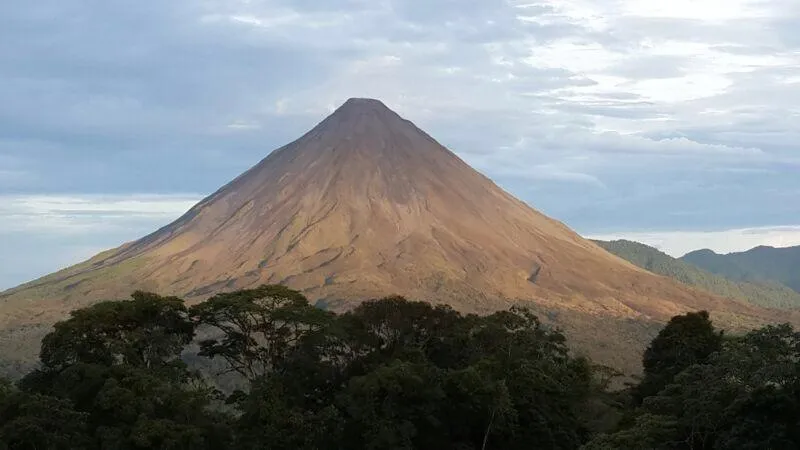
Travelers visit Costa Rica’s volcano regions for hiking, scenic viewpoints, wildlife observation, and natural hot springs. The volcanic terrain often creates dramatic scenery where rainforest-covered slopes surround towering peaks and crater lakes.
Exploring Costa Rica’s volcanoes offers visitors the opportunity to experience one of the most powerful natural forces that has shaped the country’s landscapes.
Location
Costa Rica’s volcanoes are located primarily along mountain ranges that run from the northwest to the central part of the country. These ranges form part of the Central American Volcanic Arc, a chain of volcanoes that stretches across the region.
Many of the country’s most well-known volcanoes are located in the northern and central regions of Costa Rica, particularly within the provinces surrounding the Central Valley.
Several volcanoes lie within easy reach of the capital city, San José, making them popular destinations for day trips and short excursions.
The volcanic mountain ranges also create important climate zones that support cloud forests, rainforests, and unique ecosystems at higher elevations.
Because of their location and accessibility, Costa Rica’s volcanoes are among the most visited natural attractions in the country.
Wildlife / Attractions
Volcanic landscapes in Costa Rica support a wide range of ecosystems and wildlife habitats. The fertile volcanic soil allows dense vegetation to flourish, creating rich forest environments that support many animal species.
Travelers exploring volcanic regions may encounter wildlife such as monkeys, coatis, birds, and reptiles along forest trails.
Many volcanoes feature dramatic crater formations that offer impressive viewpoints. Some craters contain lakes formed by rainwater or geothermal activity, creating striking natural scenery.
Geothermal features are another highlight in volcanic regions. Hot springs, steam vents, and bubbling mud pools can be found in areas where underground heat rises toward the surface.
These features offer a glimpse into the powerful geological processes occurring beneath the landscape.
Beaches / Highlights
Although Costa Rica’s volcanoes are located inland, their influence extends throughout the country’s landscapes.
Volcanic activity over thousands of years has helped shape the country’s mountains, valleys, and coastal environments. Rivers flowing from volcanic mountains carry minerals that contribute to fertile soil across the country.
Some volcanic regions offer panoramic viewpoints where visitors can see distant mountain ranges and surrounding forests.
Waterfalls are also common in volcanic regions due to abundant rainfall and mountainous terrain.
Hot springs located near several volcanoes are among the most popular highlights for travelers seeking relaxation in natural geothermal waters.
These hot springs are created by groundwater heated deep beneath the earth’s surface by volcanic activity.
Trails and Activities
Hiking is one of the most popular ways to explore Costa Rica’s volcanoes. National parks surrounding volcanic peaks feature trail systems that allow visitors to walk through forest environments and observe volcanic landscapes.
Some trails lead to crater viewpoints, lava fields, or scenic lookouts overlooking valleys and mountains.
In certain volcanic regions, visitors can walk through hardened lava flows left behind by past eruptions. These landscapes provide a unique look at how volcanic activity shapes the terrain.
Wildlife observation is also common along forest trails in volcanic parks, as these areas support diverse ecosystems.
Relaxing in geothermal hot springs is another popular activity. These naturally heated pools are found in several volcanic regions and provide a relaxing experience surrounded by tropical forest.
Photography, birdwatching, and nature walks are also popular activities in volcano areas.
Best Time to Visit
Costa Rica’s volcano regions can be visited throughout the year, although weather conditions can vary depending on elevation and season.
The dry season from December through April generally provides clearer views of volcanic peaks and surrounding landscapes. During this time, trails are often easier to access due to lower rainfall.
The rainy season from May through November brings lush vegetation and fewer crowds. However, cloud cover can sometimes obscure volcano views during certain times of the day.
Mornings are typically the best time for visiting volcano areas because skies are often clearer before afternoon clouds develop.
Travelers interested in hiking and outdoor exploration often plan visits during the early part of the day for the best conditions.
Travel Logistics
Many of Costa Rica’s volcanoes are located within national parks that provide visitor facilities and maintained trails.
These parks can usually be reached by road from major cities such as San José or Liberia. Rental cars, guided tours, and shuttle services are common transportation options.
Because volcanic regions are located in mountainous terrain, travel times may be longer than distances suggest due to winding roads and elevation changes.
Some volcano destinations also offer nearby accommodations including eco-lodges, mountain retreats, and nature-focused hotels.
Visitors should check park access conditions before traveling, as volcanic activity or weather conditions may occasionally affect trail access.
Visitor Tips
Visitors exploring volcanic areas should bring comfortable hiking shoes suitable for uneven terrain.
Weather in mountainous regions can change quickly, so carrying rain protection and layered clothing is recommended.
Binoculars can enhance wildlife observation and help visitors spot birds in forest canopies.
Early morning visits often provide the clearest views of volcano peaks and surrounding landscapes.
Travelers should always follow park guidelines and remain on designated trails, especially in areas with geothermal activity or volcanic terrain.
Respecting safety guidelines helps protect both visitors and the surrounding environment.
Why It Is Famous
Costa Rica’s volcanoes are famous for their dramatic landscapes and accessibility. Many volcanic parks allow visitors to hike through lush forests while viewing volcanic craters and geothermal features.
These volcanoes also play an important role in shaping the country’s ecosystems, providing fertile soil that supports dense tropical vegetation.
The combination of volcanic scenery, rainforest biodiversity, and relaxing geothermal hot springs has made these regions some of the most popular destinations in Costa Rica.
For many travelers, visiting a volcano is one of the most memorable experiences during a trip to the country.
Conclusion
Costa Rica’s volcanoes offer a fascinating glimpse into the geological forces that have shaped the country’s landscapes. From towering volcanic peaks and crater lakes to geothermal hot springs and rainforest-covered slopes, these regions provide unforgettable natural scenery.
For travelers interested in hiking, wildlife observation, and dramatic landscapes, Costa Rica’s volcanoes represent some of the most captivating destinations in Central America.
Frequently Asked Questions
How many volcanoes are in Costa Rica?
Costa Rica has more than 60 volcanic formations, including several active volcanoes.
Can you visit volcanoes in Costa Rica?
Yes. Many volcanoes are located within national parks where visitors can hike trails and explore volcanic landscapes.
What is the most famous volcano in Costa Rica?
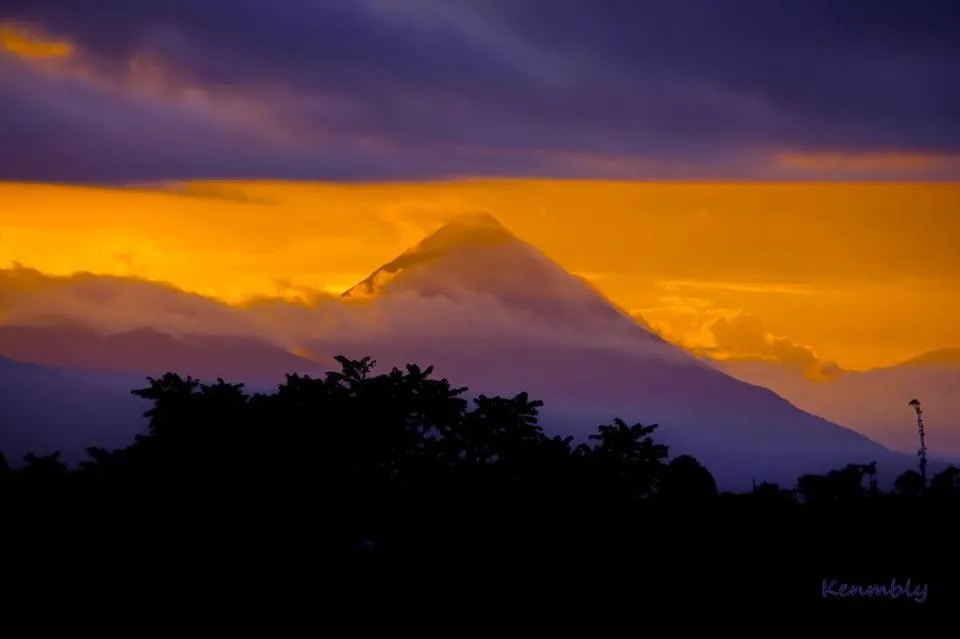
Arenal Volcano is one of the most famous due to its symmetrical shape and surrounding rainforest scenery.
Are Costa Rica volcanoes active?
Several volcanoes in Costa Rica remain active, although activity levels vary and are monitored for safety.
Can you see lava in Costa Rica volcanoes?
Visible lava is rare today, but visitors can observe craters, lava fields, and geothermal features in volcanic parks.