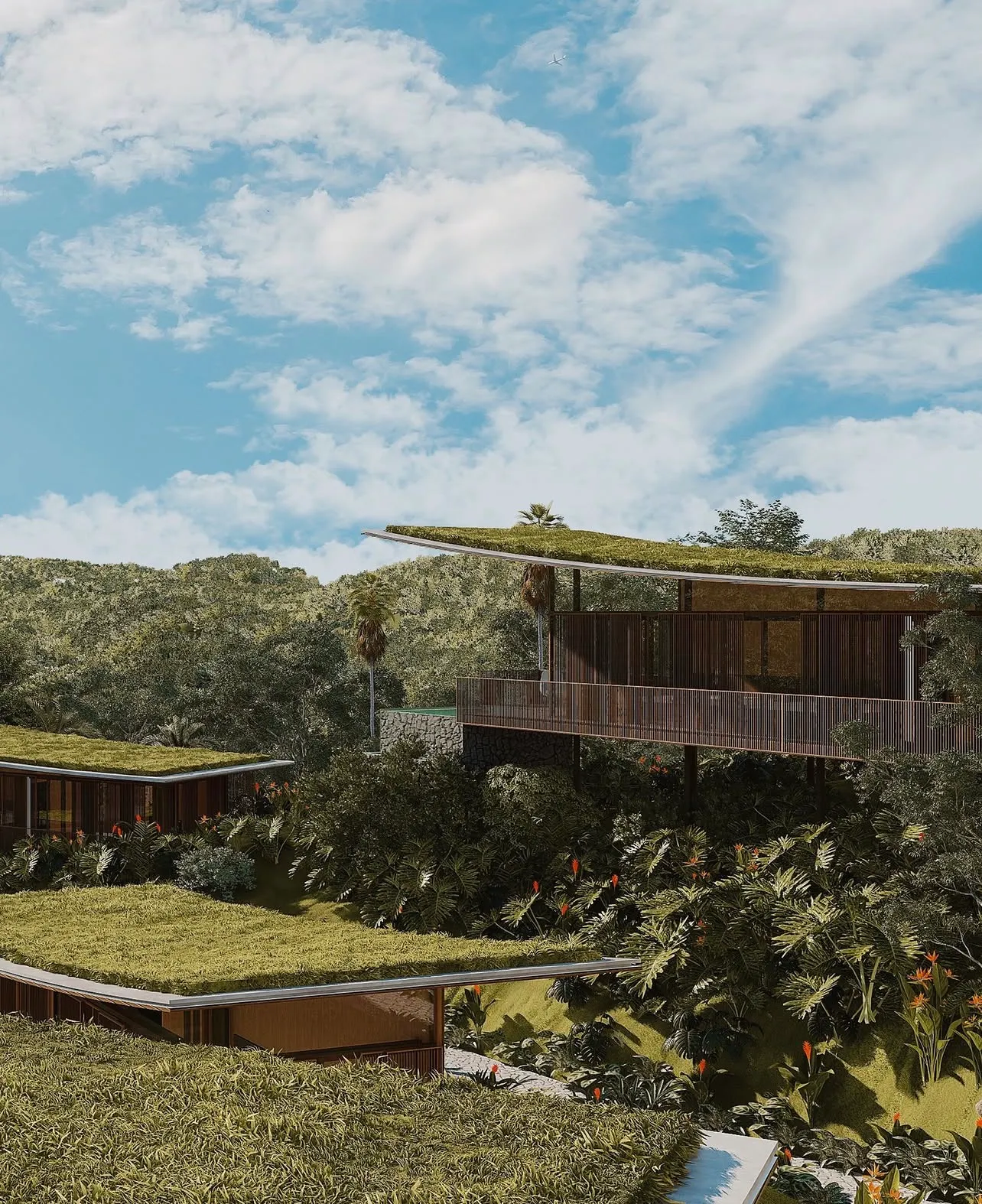

Tibo Drake Bay Costa Rica
Tibo Drake Bay Costa Rica: Boutique Eco-Lodge in the Osa Peninsula
Tibo Drake Bay is described as a boutique eco-lodge project in Drake Bay, on Costa Rica’s Osa Peninsula in southern Puntarenas. Its concept centers on small-scale, nature-focused hospitality in a destination closely associated with rainforest, wildlife, Corcovado National Park and Caño Island.
Public information about the property remains limited. The available project material does not establish a confirmed room count, investment value or publicly identified developer or operator, making Tibo more appropriate to evaluate through its location and hospitality concept than through project scale.
Quick Answer
Tibo Drake Bay is a boutique nature-oriented lodging project in Bahía Drake, Costa Rica. The concept is positioned around low-density hospitality and the natural environment of the Osa Peninsula rather than a large resort format.
Its Drake Bay location also makes transportation planning an important part of the guest experience. Travelers commonly consider domestic air access or a combination of ground transportation to Sierpe followed by a passenger boat to Drake Bay.
Tibo Drake Bay Project Overview
Tibo Drake Bay is presented as an independent boutique hospitality concept rather than part of a large international hotel brand.
The project information currently identifies:
Project: Tibo Drake Bay
Location: Drake Bay (Bahía Drake), Osa Peninsula
Province: Puntarenas
Tourism Region: Costa Rica’s South Pacific
Property Concept: Boutique eco-lodge / nature retreat
The material available for the project does not confirm its number of rooms, investment size or a publicly disclosed operator or developer.
This limited project profile is consistent with the central idea behind Tibo Drake Bay: a lodging concept whose identity depends heavily on its natural setting rather than extensive resort infrastructure.
Why Drake Bay Matters to the Project
Drake Bay gives Tibo a very different tourism context from larger resort destinations in Costa Rica.
The area serves travelers exploring the Osa Peninsula and nature attractions including Corcovado National Park and Caño Island Biological Reserve. Rainforest experiences, wildlife observation and marine activities are central to the destination’s tourism appeal.
For a boutique property, this setting allows the accommodation itself to function as part of a broader nature itinerary rather than as a self-contained resort destination.
Tibo Drake Bay therefore fits a hospitality model centered on location, surrounding ecosystems and access to outdoor experiences.
A Low-Density Hospitality Positioning
The supplied project information positions Tibo around a smaller-scale, nature-integrated lodging model.
That distinction is important. Tibo Drake Bay should not be evaluated in the same way as a large beachfront resort or high-capacity hotel. Its potential appeal is tied instead to travelers looking for a more intimate base from which to experience the Osa Peninsula.
The concept may be particularly relevant to:
Nature and wildlife travelers
Visitors planning Corcovado experiences
Travelers interested in Caño Island and marine activities
Adventure-focused Costa Rica itineraries
Guests who prefer boutique accommodations over large resorts
Travelers comfortable with the additional logistics associated with a remote destination
The project's contribution to Drake Bay is therefore better understood in terms of accommodation diversity and visitor experience than large increases in lodging capacity.
Getting to Drake Bay
Accessibility is an important consideration for any accommodation in Drake Bay.
Travelers can review the complete guide to getting to Drake Bay when comparing the principal transportation approaches.
One option is domestic air travel from the San José area to Drake Bay. Another is a multi-stage journey using ground transportation to Sierpe and a passenger boat for the final connection to Drake Bay.
Visitors using the Sierpe route should plan the two segments together rather than treating the boat as a separate last-minute transfer.
The Sierpe to Drake Bay boat guide explains the connection, luggage considerations, arrival planning and the importance of confirming current operating arrangements before travel.
Why Transportation Planning Matters for Tibo Drake Bay
Remote hospitality depends on more than simply reaching the destination.
Travelers need to consider how they will move from an international airport or previous Costa Rica destination to Drake Bay and how they will continue from the local arrival point to their accommodation.
This is particularly important when combining several transportation modes.
A typical itinerary may involve:
International arrival → ground transportation or domestic flight → Drake Bay area → final accommodation connection
For travelers using Sierpe, the sequence instead involves a road transfer followed by a separate passenger boat segment.
Weather and operating conditions can affect marine transportation, so travelers should avoid building an itinerary around an outdated boat schedule or an unusually tight connection.
Drake Bay as Part of a South Pacific Itinerary
Tibo Drake Bay can also fit into a wider South Pacific Costa Rica itinerary.
Travelers visiting destinations elsewhere along the Pacific coast may continue south toward Sierpe before taking the boat to Drake Bay, while visitors beginning around San José can compare the overland-and-boat option with domestic air travel.
This makes the property relevant not only as an accommodation choice but also as part of an itinerary that requires advance coordination between lodging and transportation.
Tourism Significance
Tibo Drake Bay illustrates the type of hospitality concept associated with nature-focused tourism in the Osa Peninsula: smaller in scale, closely tied to its surroundings and oriented toward travelers whose primary reason for visiting is the destination itself.
Without confirmed room-count or investment figures, it would be premature to measure the project through added tourism capacity or economic impact.
Its significance instead lies in the continued presence of boutique lodging concepts designed around Drake Bay’s rainforest, coastal environment and access to nature-based experiences.
Planning a Trip to Tibo Drake Bay
Travelers considering Tibo Drake Bay should plan accommodation and transportation together.
The exact arrival process can depend on the traveler’s starting point, the transportation method selected and the property’s final arrival instructions. Visitors continuing through Sierpe should confirm current boat arrangements and determine how they will reach the lodge after arriving in Drake Bay.
Travelers arriving through Juan Santamaría International Airport can also review the San Jose Airport to Drake Bay shared shuttle to understand one scheduled ground option to Sierpe before the separate onward boat connection.
For a remote destination such as Drake Bay, coordinating these segments in advance is an important part of creating a practical South Pacific Costa Rica itinerary.