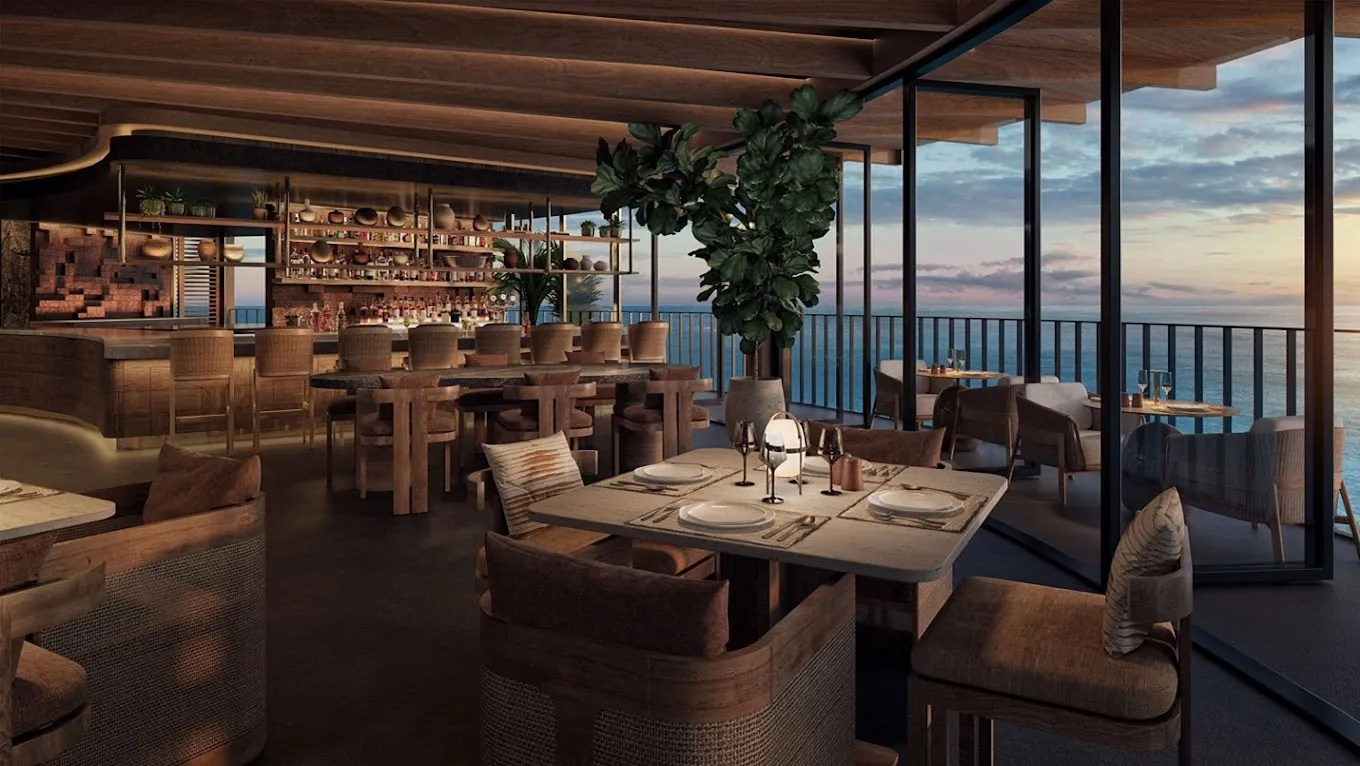

St Regis Costa Rica Papagayo
St. Regis Papagayo, Costa Rica: Marriott’s First St. Regis in the Country Strengthens Guanacaste’s Luxury Tourism Corridor
Meta Description: St. Regis Papagayo is a 120-room luxury resort with 143 branded residences in Guanacaste, with construction underway and opening targeted for 2027.
Suggested URL Slug: st-regis-papagayo-costa-rica-luxury-resort-guanacaste
Introduction
The St. Regis Papagayo remains one of the most important luxury hospitality projects in Costa Rica. The latest official project-site update, dated April 14, 2026, focused on residential market demand, while the latest project-specific update on March 2, 2026 confirmed Chapi Design as interior designer. Those updates follow Solana’s September 2025 groundbreaking announcement, which stated that construction had begun and that completion was expected in Q1 2027. For Costa Rica tourism development, that keeps the project firmly in the active pipeline rather than in a speculative or pre-launch stage. (St. Regis - Papagayo)
Project Overview
Project name: The St. Regis Papagayo Resort & Residences. Hotel brand: St. Regis Hotels & Resorts, part of Marriott International. Developer: Solana PA, S.R.L. Location: Gulf of Papagayo / Peninsula Papagayo, Guanacaste Province. Tourism region: Guanacaste. Property type: mixed tourism development combining a luxury resort with branded residences. Public project materials state the development will include 120 guest rooms and suites and 143 branded residences, on a site of about 20 hectares / 55 acres, with frontage between Panamá Bay and Culebra Bay. (BRESI. Luxury Branded Residences)
The project is also significant because it will introduce the first St. Regis property in Costa Rica. Publicly reviewed primary materials clearly disclose the room count, residential count, site scale, design team, amenities, and opening target, but I did not find a confirmed total investment figure in those primary project sources. (Marriott News Center)
Location Context
Geographically, the project sits inside Costa Rica’s most established luxury coastal enclave. Peninsula Papagayo’s official destination materials describe the community as a 1,400-acre low-density resort-residential destination in Guanacaste, while the St. Regis materials place the resort specifically between Panamá Bay and Culebra Bay in the Gulf of Papagayo. That gives the property immediate proximity to existing high-end tourism infrastructure, marina access, beaches, and the broader Papagayo resort ecosystem. (Peninsula Papagayo Costa Rica)
The nearest international airport is Daniel Oduber Quirós International Airport (LIR) in Liberia. Official St. Regis project materials say the resort is about 25 minutes from the airport, while official Peninsula Papagayo destination information says Liberia airport is about 30 minutes from the peninsula. Routing sources place Papagayo Peninsula at roughly 20.9 km by road from LIR to the peninsula access area, with longer distances depending on the final resort entrance and internal peninsula routing. (St. Regis - Papagayo)
Tourism Market Impact
St. Regis Papagayo is aimed at the upper end of Costa Rica’s travel market: luxury leisure guests, branded-residence buyers, celebratory travelers, and high-spend visitors who prioritize service, privacy, design, and resort-managed real estate. Its impact is therefore less about mass volume and more about rate growth, destination prestige, and investor signaling. That matters in Papagayo, where the competitive set is increasingly defined by globally recognized luxury flags rather than by conventional beach-resort supply. This is an analytical inference based on the project’s brand level, inventory mix, and Papagayo’s existing positioning. (St. Regis - Papagayo)
The timing is also favorable. Official ICT data show Costa Rica received 2,943,991 international tourist arrivals in 2025, with 904,762 entering through Daniel Oduber Quirós Airport in Guanacaste. ICT’s 2026 reporting also shows 368,413 tourist arrivals through LIR in January-March 2026, up from 315,100 in the same period of 2025. That reinforces the strategic logic of adding more luxury inventory in Guanacaste, where air access and resort demand remain strong.
Transportation & Accessibility Analysis
From an access standpoint, St. Regis Papagayo benefits from one of the easiest premium resort arrival patterns in Costa Rica. Liberia is the clear gateway because the airport-to-resort transfer is typically around 25 to 30 minutes, which is unusually short for a luxury coastal property in the country. Official Peninsula Papagayo materials also note that travelers arriving via San José (SJO) can continue with a 40-minute domestic flight to Liberia, while road-routing sources place the direct drive from San José to Papagayo Peninsula at about 234 km and roughly 3 hours 49 minutes to 3 hours 58 minutes. (Peninsula Papagayo Costa Rica)
For this project, private transfers are likely to remain the most practical and brand-aligned option, especially for affluent leisure travelers and residence owners. Shared transport can work, but Papagayo’s luxury positioning, controlled-access environment, and spread-out resort geography make chauffeured transfers more consistent with the guest profile. Compared with more remote beach markets in Costa Rica, Papagayo’s road access is relatively straightforward, which supports shorter, smoother airport-to-resort journeys. That final point is an inference based on the project’s airport proximity and peninsula access pattern. (St. Regis - Papagayo)
Strategic Tourism Insight
Strategically, St. Regis Papagayo is important because it deepens Costa Rica’s shift toward high-value, low-density luxury tourism. Peninsula Papagayo already functions as the country’s most concentrated global luxury enclave, and the arrival of the St. Regis brand adds another internationally recognized hospitality signal to that ecosystem. Rather than opening a new tourism frontier, this project strengthens an existing one and raises the ceiling for branded residences, ultra-luxury service standards, and premium visitor spending in Guanacaste. (Peninsula Papagayo Costa Rica)
For tourism investors, transportation companies, and destination planners, the broader implication is clear: Papagayo is continuing to consolidate as Costa Rica’s flagship luxury corridor, supported by strong airlift through Liberia, established destination infrastructure, and a growing cluster of globally recognized hospitality brands. St. Regis Papagayo is not just another resort opening; it is a signal that Guanacaste luxury tourism is still moving upscale and becoming more brand-dense, more residential, and more internationally competitive. (Instituto Costarricense de Turismo)