
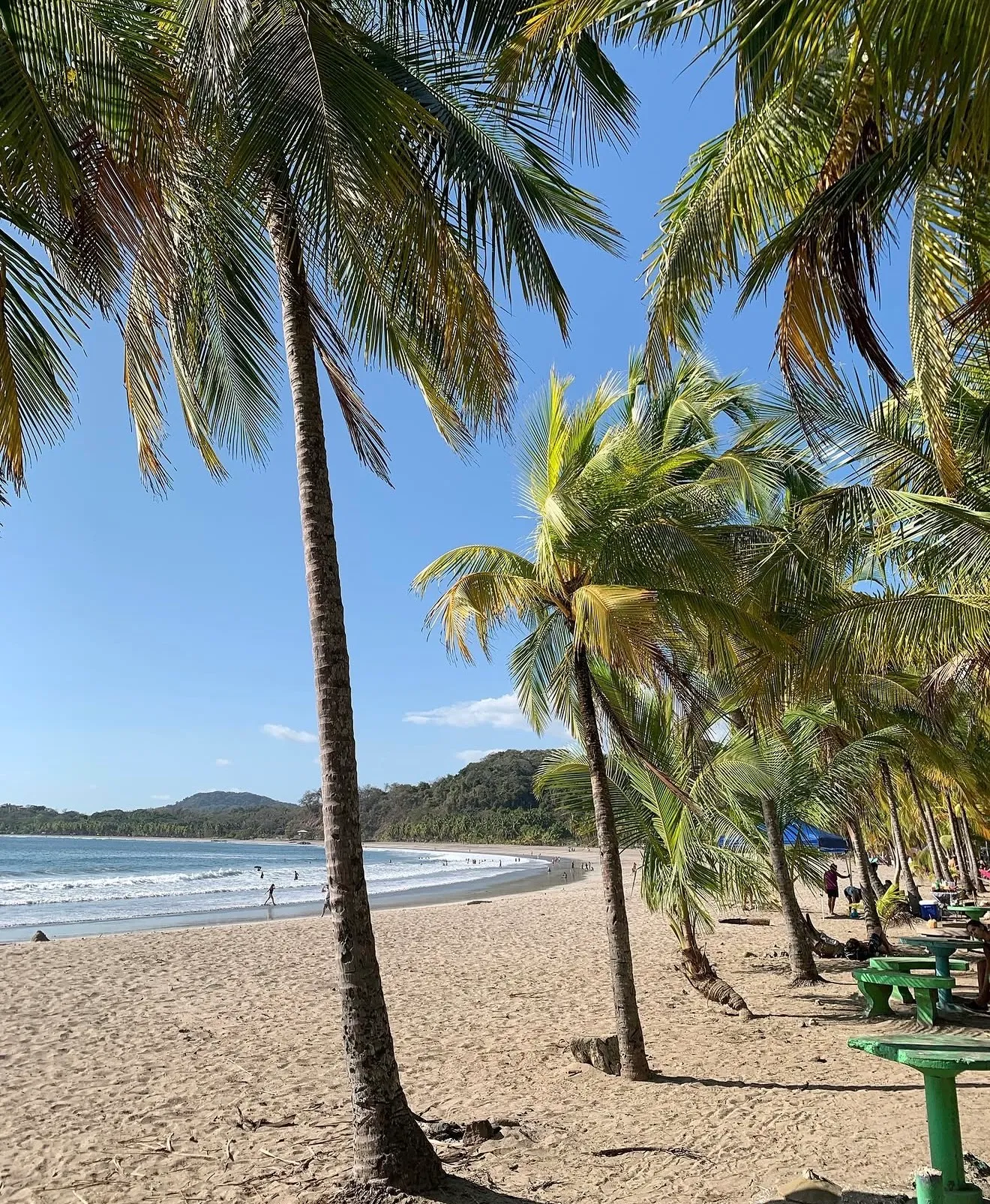
Samara Costa Rica
Sámara, Costa Rica Tourism Development Analysis: Nicoya Peninsula Growth Snapshot
Meta Description: Sámara, Guanacaste is strengthening its tourism position through formal destination planning, improved access via Liberia Airport, and a diversified lodging base.
Suggested URL Slug: samara-costa-rica-tourism-development-nicoya-peninsula
Introduction
Sámara is gaining importance within Costa Rica’s tourism industry as a managed beach destination with broad lodging diversity rather than as a single large-scale resort story. A key recent development is the formal destination management planning effort presented for Sámara, supported by local government, national tourism authorities, and private-sector stakeholders. This matters because it signals a more coordinated approach to tourism growth at a time when Guanacaste continues to benefit from strong international air access through Liberia.
Project Overview
This is best understood as a destination-level mixed tourism development rather than a single hotel project.
Project Name: Sámara destination development snapshot
Hotel Brand: Not applicable, as the market is multi-operator
Operator / Developer Context: Destination planning led by public and private tourism stakeholders
Location: Sámara district, Nicoya canton, Guanacaste province
Tourism Region: Nicoya Peninsula
Property Type: Mixed tourism development including hotels, cabinas, vacation rentals, restaurants, tour operators, and transport services
Sámara’s tourism economy is shaped by a wide mix of small and medium-sized businesses rather than one dominant resort operator. That gives the destination a more distributed growth model and a distinct position within Guanacaste.
Location Context
Sámara is located in Nicoya canton, Guanacaste province, within Costa Rica’s Nicoya Peninsula tourism region. The destination connects by road to Nicoya and is close to Puerto Carrillo, one of the area’s key nearby beach destinations.
The nearest major international gateway is Daniel Oduber Quirós International Airport in Liberia. The drive from Liberia Airport to Sámara is approximately 106 kilometers and usually takes a little over 2 hours, depending on traffic and road conditions. Juan Santamaría International Airport near San José is much farther away and generally requires nearly 4 hours or more by road.
Nearby attractions and surrounding destinations strengthen Sámara’s tourism appeal, including Playa Carrillo, Garza, Nosara, Isla Chora, Punta Indio, and Playa Barrigona. This broader coastal setting supports multi-stop travel within the peninsula.
Tourism Market Impact
Sámara’s tourism significance lies in the depth and variety of its hospitality inventory. The destination includes a substantial number of lodging businesses and a meaningful room base, but with relatively limited concentration among large branded assets. This indicates a hospitality market driven more by independent hotels, local operators, and smaller-scale accommodations than by major international resort chains.
From a market perspective, Sámara is well positioned for:
Leisure beach travelers
Families
Wellness-oriented visitors
Soft-adventure travelers
Domestic tourism
International travelers seeking a lower-density coastal experience
This structure gives Sámara resilience. It can serve travelers who want a beach destination in Guanacaste without the pricing, density, or branding profile of the province’s more luxury-driven resort zones. For Costa Rica tourism development, that makes Sámara strategically relevant as a complementary destination within the national tourism portfolio.
Transportation & Accessibility Analysis
Accessibility is one of Sámara’s biggest strengths, but also one of its operational considerations. The destination is reachable from Liberia Airport within a reasonable transfer window for international visitors, which supports short-stay and week-long vacation demand.
Private transportation is generally the most efficient option. Rental cars and private transfers are especially attractive for:
Families with luggage
Higher-spending travelers
Visitors combining Sámara with other Nicoya Peninsula destinations
Guests staying in villas, boutique hotels, or upscale beachfront properties
Public transport is available, but it is less convenient for direct airport access because it typically requires transfers through Liberia and Nicoya. That makes shared shuttles or private transfers more practical for most international arrivals.
Road access depends on regional routes connecting Sámara with Nicoya and other parts of the peninsula. While generally functional, local infrastructure remains sensitive to weather conditions, especially during the rainy season. Bridge repairs, river crossings, and surface quality can still affect mobility in parts of the district. For transport providers and tourism operators, this reinforces the value of reliable transfer planning and seasonal route awareness.
Strategic Tourism Insight
Sámara represents a different tourism growth model from Costa Rica’s large-scale luxury resort corridors. Instead of depending on one flagship branded project, it is evolving through destination management, incremental hotel improvement, stronger visibility, and regional accessibility.
That makes Sámara important for several reasons:
First, it supports regional diversification within Guanacaste. Not all growth in the province needs to come from ultra-luxury enclaves or high-density beach towns.
Second, it reflects a form of locally distributed tourism investment. Because the destination is built around many operators, growth tends to spread across accommodations, food service, tours, and transportation rather than concentrate in one resort complex.
Third, it benefits from airport-driven demand expansion. As Liberia Airport continues to strengthen its passenger performance, destinations like Sámara become more competitive for international travelers who want a Pacific beach experience beyond the best-known hubs.
Overall, Sámara’s next stage of development is likely to come from better destination coordination, lodging upgrades, improved infrastructure, and continued demand growth through Guanacaste’s air access network. It is a strong example of how Costa Rica tourism development can advance through destination management and multi-operator growth rather than only through headline resort investment.