
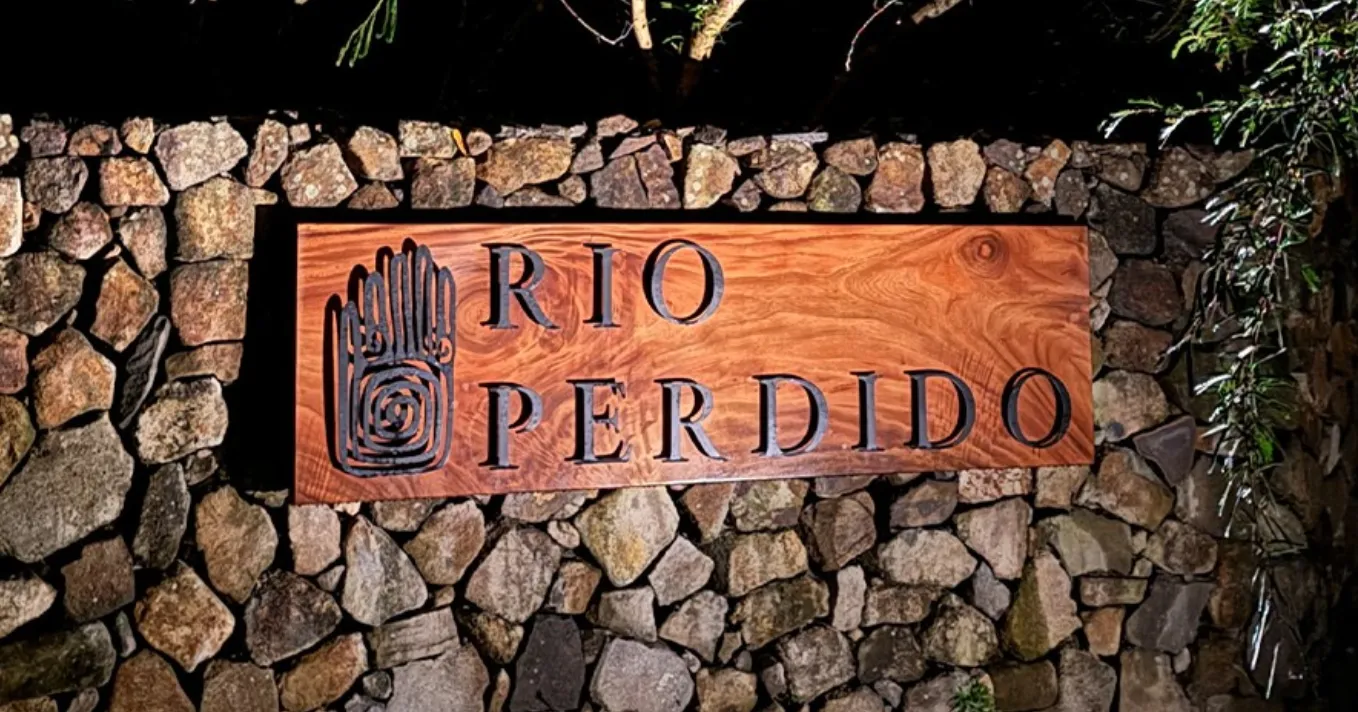
Rio Perdido Thermal Resort
Introduction
Río Perdido Thermal Resort in Guanacaste is entering a new phase of growth, reinforcing Costa Rica’s expanding wellness and experiential tourism sector while strengthening the country’s inland hospitality footprint. Located in the volcanic corridor between Liberia and the Miravalles region, the resort has advanced infrastructure upgrades and capacity enhancements that signal sustained investor confidence in high-value, nature-driven travel.
As Costa Rica tourism continues to show resilience in premium segments, thermal and wellness-focused properties are benefiting from growing international demand for immersive, health-oriented experiences. While coastal luxury resorts have historically captured the majority of high-end investment in Guanacaste, inland developments such as Río Perdido are increasingly positioned as strategic complements to beach-based itineraries.
The resort’s latest development phase aligns with broader tourism trends favoring longer stays, multi-destination travel patterns, and environmentally integrated hospitality models. For transportation providers and regional planners, the expansion underscores rising access demand between Liberia Airport (LIR) and inland eco-wellness destinations.
Project or Development Overview
Río Perdido Thermal Resort has undertaken targeted expansion initiatives designed to elevate its positioning within the competitive luxury resort Costa Rica landscape. The project includes additional guest accommodations, upgraded thermal bathing areas, enhanced dining facilities, and expanded wellness programming infrastructure.
The development reflects the sustained momentum of Costa Rica’s wellness tourism segment, which has shown consistent growth alongside global demand for restorative travel experiences. Thermal river systems, volcanic geology, and protected dry tropical forest ecosystems provide Río Perdido with a distinctive natural asset base, differentiating it from conventional beachfront resorts.
The property’s expansion also demonstrates confidence in Guanacaste’s inland investment viability. Historically, the province’s growth narrative centered on coastal hubs such as Papagayo and Tamarindo. However, increased land values along the shoreline and rising traveler interest in secluded, experience-driven stays have redirected attention toward interior regions.
Industry analysts note that high-end travelers are increasingly seeking privacy, sustainability, and curated outdoor programming. This shift has contributed to steady occupancy rates in boutique and eco-luxury properties that prioritize experiential differentiation over large-scale room inventory.
By enhancing capacity while maintaining a low-density footprint, Río Perdido reinforces Costa Rica’s brand positioning as a destination capable of balancing development with conservation. The expansion also strengthens the region’s appeal to multi-night visitors combining beach and inland segments within a single travel to Costa Rica itinerary.
Location and Tourism Impact
Río Perdido is situated in Guanacaste Province, approximately 30 kilometers east of Liberia, within a private reserve characterized by canyon landscapes and geothermal activity. The location places it strategically between Liberia’s growing international gateway and the foothills of the Miravalles Volcano region.
Guanacaste has remained one of Costa Rica’s strongest tourism growth engines, supported by sustained airlift through Liberia Airport (LIR). Over the past year, North American carriers have maintained strong seasonal capacity into Liberia, reinforcing its status as a preferred entry point for leisure travelers targeting northwest Costa Rica.
While the majority of visitors arriving at Liberia Airport traditionally head toward coastal resorts, inland destinations like Río Perdido are capturing increased spillover demand. Multi-stop itineraries are becoming more common, with travelers pairing beach stays in Papagayo or Tamarindo with wellness retreats or adventure segments in the interior.
The expansion of Río Perdido therefore contributes to a broader geographic distribution of tourism spending within Guanacaste. By attracting higher-spending guests seeking thermal and wellness experiences, the property strengthens the province’s year-round tourism resilience.
Inland resorts also play a stabilizing role during shoulder seasons. Wellness travelers often demonstrate flexible booking patterns and extended stays, reducing dependency on peak winter demand cycles. This helps sustain transportation flows and local employment beyond traditional high-season months.
How to Get There
Río Perdido Thermal Resort is located approximately 32 kilometers (20 miles) from Liberia Airport (LIR), Costa Rica’s primary international gateway for Guanacaste. The drive typically takes between 45 minutes and one hour, depending on road conditions and traffic.
The route follows well-maintained highways departing Liberia before transitioning onto secondary roads leading into the resort’s private reserve. Road access has improved in recent years, reflecting ongoing infrastructure investments aligned with Guanacaste’s expanding tourism base.
For travelers arriving via San Jose Airport (SJO), the journey covers approximately 220 kilometers (137 miles) and requires between four and five hours by car. While feasible, most visitors targeting Río Perdido choose to fly directly into Liberia Airport due to significantly shorter transfer times.
Given the resort’s inland and relatively secluded setting, private transportation Costa Rica services are frequently preferred. Pre-arranged airport transfer Costa Rica options provide direct routing from Liberia Airport without multiple stops, which is especially practical for travelers arriving on international flights with luggage or connecting to same-day activities.
As inland destinations expand capacity, shuttle service Costa Rica providers are adapting to increased demand for direct connections between Liberia and interior eco-resorts. The rise of multi-destination itineraries also encourages flexible Guanacaste transportation solutions, allowing visitors to combine Río Perdido with coastal properties within a single trip.
Geographically, the resort’s proximity to Liberia positions it as one of the most accessible inland wellness destinations in northwest Costa Rica. Its location between the coast and volcanic highlands enhances itinerary fluidity, reducing logistical complexity for travelers seeking varied experiences.
What This Means for Travelers
The continued expansion of Río Perdido Thermal Resort signals growing maturity within Costa Rica’s wellness and experiential tourism sector. For travelers, the development introduces expanded capacity within a niche that blends geothermal immersion, adventure programming, and environmental conservation.
The rise of inland luxury properties offers greater itinerary flexibility, encouraging visitors to diversify beyond traditional beachfront stays. This aligns with evolving travel behavior favoring immersive, nature-based experiences that deliver both recreation and restoration.
For transportation operators, the expansion contributes to more diversified demand patterns. Rather than concentrating arrivals exclusively in coastal corridors, growth in inland properties supports broader route distribution and increased need for customized airport transfer Costa Rica coordination.
Private transportation Costa Rica services become particularly relevant in such contexts, as travelers prioritize time efficiency and direct access to remote locations. The operational growth of inland resorts may also incentivize further road improvements and regional connectivity enhancements.
At a national level, projects like Río Perdido’s expansion reinforce Costa Rica tourism’s strategic positioning as a high-value, sustainable destination. By investing in properties that leverage natural assets while maintaining controlled density, the country strengthens its competitive standing in the global wellness travel market.
Conclusion
Río Perdido Thermal Resort’s latest expansion represents more than a property upgrade. It underscores the growing importance of inland wellness destinations within Costa Rica’s tourism economy and reflects sustained investor confidence in Guanacaste beyond its coastline.
With strong international air access through Liberia Airport (LIR), improved road infrastructure, and rising global demand for restorative travel experiences, the region is well-positioned to capture continued growth. As Costa Rica tourism evolves toward diversified, high-spending segments, developments such as Río Perdido demonstrate how strategic inland investment can complement coastal expansion while driving increased demand for efficient transportation networks and airport transfer Costa Rica services.