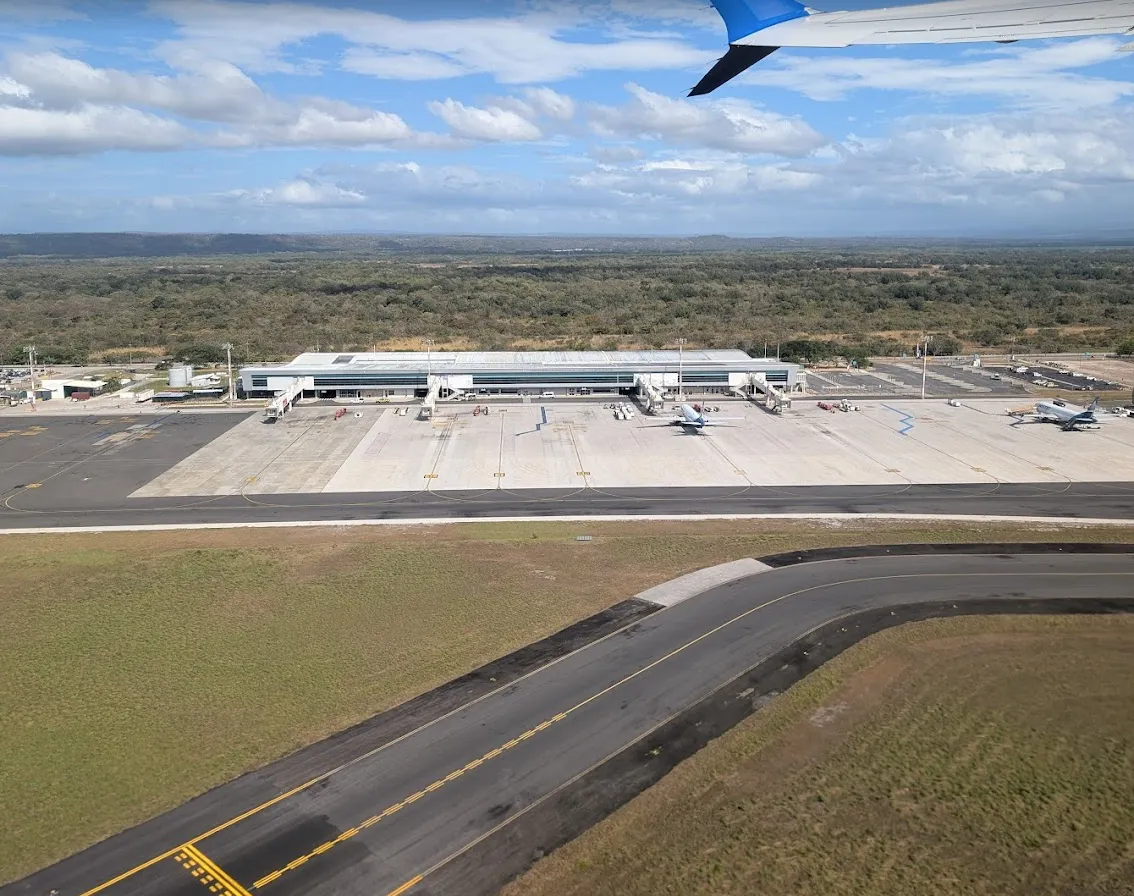

Liberia Airport (LIR) in Guanacaste
Introduction
Liberia Airport (LIR) in Guanacaste continues to solidify its role as one of Costa Rica’s most critical tourism gateways, with sustained airlift growth, expanded route networks, and rising passenger volumes driving the next phase of regional development. Officially known as Daniel Oduber Quirós International Airport, Liberia LIR has become the primary entry point for travelers heading to the country’s northwest Pacific coast.
As Costa Rica tourism maintains strong demand from North American markets, Liberia Airport has emerged as a strategic infrastructure asset supporting luxury resort expansion, residential investment, and increased demand for private transportation Costa Rica services across Guanacaste.
With continued airline confidence and high load factors during peak travel months, LIR’s growth trajectory reflects broader industry trends reshaping travel to Costa Rica and reinforcing the province’s dominance in high-value leisure arrivals.
Project or Development Overview
Liberia Airport (LIR) has experienced consistent operational expansion over recent years, including terminal improvements, apron upgrades, and enhanced passenger processing systems designed to accommodate rising international volumes.
The airport’s strategic positioning within Guanacaste has allowed it to absorb growing demand from U.S. carriers, which continue to prioritize nonstop connectivity to leisure-driven destinations. Airlines operating routes into LIR have maintained and, in some cases, expanded seasonal frequencies from key U.S. gateways such as Houston, Dallas, Miami, Atlanta, New York, Los Angeles, and additional secondary cities during peak winter months.
Capacity increases have been closely aligned with the expansion of luxury resort Costa Rica inventory across Papagayo, Tamarindo, Playa Hermosa, and emerging northern corridors. As new hotels Costa Rica enter the development pipeline, airline seat supply has followed, reinforcing a synchronized growth cycle between aviation and hospitality sectors.
Infrastructure investments at LIR have also focused on improving operational efficiency, reducing congestion during peak arrival windows, and enhancing traveler experience. These upgrades are essential as the airport manages high concentrations of arrivals tied to weekend and holiday travel surges.
Location and Tourism Impact
Liberia Airport is located approximately 13 kilometers (8 miles) west of downtown Liberia, the capital city of Guanacaste Province. Its geographic advantage lies in its proximity to the province’s most valuable tourism assets, including the Gulf of Papagayo, Tamarindo, Playa Flamingo, and emerging northern developments near La Cruz and Costa Elena.
The airport’s growth has significantly reshaped Costa Rica tourism geography. Historically, most international arrivals entered through San Jose Airport (SJO) in the Central Valley. However, Liberia Airport’s rise has reduced travel times to northwest coastal destinations by several hours, enhancing Guanacaste’s competitiveness against other Caribbean and Central American beach markets.
The impact extends beyond convenience. Shorter ground transfer times increase destination appeal, particularly for high-spending travelers booking short-stay luxury trips. The ability to land at LIR and reach a beachfront resort within 30 to 60 minutes has become a core selling point for travel to Costa Rica’s Pacific coast.
As a result, Guanacaste consistently captures a disproportionate share of premium hotel development. Luxury brands often prioritize proximity to efficient international gateways, making Liberia Airport a key driver behind continued resort and residential investment.
The airport’s sustained performance has also influenced real estate markets, with rising property values in Papagayo and surrounding areas tied directly to air connectivity reliability.
How to Get There
Liberia Airport (LIR) is easily accessible via well-maintained highways connecting the terminal to coastal and inland tourism corridors. The airport is approximately:
25–45 minutes from Peninsula Papagayo (35–40 kilometers / 22–25 miles)
1 hour from Tamarindo (approximately 65 kilometers / 40 miles)
45 minutes from Playa Hermosa (around 30 kilometers / 19 miles)
45–60 minutes from inland resorts such as Río Perdido
Road infrastructure around LIR has improved significantly, with paved highways and clear signage facilitating efficient transit. The primary access routes connect to the Inter-American Highway, enabling smooth distribution of arrivals throughout Guanacaste.
For travelers heading to the Central Valley or destinations near San Jose Airport (SJO), the drive covers approximately 220 kilometers (137 miles) and takes four to five hours.
Given the high concentration of resort destinations within one hour of LIR, airport transfer Costa Rica services play a critical operational role. Many visitors opt for private transportation Costa Rica to ensure direct routing, flexible scheduling, and efficient luggage handling, particularly for families and group travelers.
Shuttle service Costa Rica networks also operate frequent routes from LIR to major coastal hubs. However, as luxury demand continues to grow, private Guanacaste transportation providers are scaling fleet capacity to accommodate increasing high-end arrivals.
What This Means for Travelers
The continued expansion of Liberia Airport reinforces Guanacaste’s leadership within Costa Rica tourism. For travelers, increased nonstop connectivity reduces travel complexity and shortens total trip duration, making northwest Costa Rica an attractive alternative to other tropical destinations.
The airport’s proximity to major resorts enhances itinerary efficiency, particularly for short luxury getaways and corporate retreats. Visitors can maximize time at their destination rather than spending extended hours on ground transfers.
From a pricing perspective, strong airline competition into LIR often supports competitive fare structures during shoulder seasons, further stimulating demand. Increased capacity also contributes to route stability, ensuring reliable year-round connectivity.
For transportation providers, rising passenger volumes translate into growing demand for airport transfer Costa Rica services. Coordinated logistics are especially important during peak winter months when simultaneous flight arrivals create concentrated transfer windows.
As new hotels Costa Rica continue to open across Papagayo, Tamarindo, and northern Guanacaste, Liberia Airport remains the critical infrastructure backbone supporting this growth. Efficient access combined with high-end hospitality supply reinforces the province’s appeal to affluent international markets.
Conclusion
Liberia Airport (LIR) has evolved into a cornerstone of Costa Rica’s tourism infrastructure, driving sustained growth across Guanacaste’s luxury and mid-market hospitality sectors. With strong U.S. connectivity, ongoing infrastructure enhancements, and strategic geographic positioning, the airport continues to enable the expansion of high-value travel to Costa Rica’s northwest Pacific coast.
As Costa Rica tourism advances into its next development cycle, the alignment between airline capacity, resort investment, and transportation services will remain central to maintaining competitiveness. Liberia Airport’s continued growth not only strengthens Guanacaste’s leadership but also reinforces the country’s broader strategy of attracting higher-spending, experience-driven international visitors supported by efficient airport transfer Costa Rica networks and scalable private transportation services.