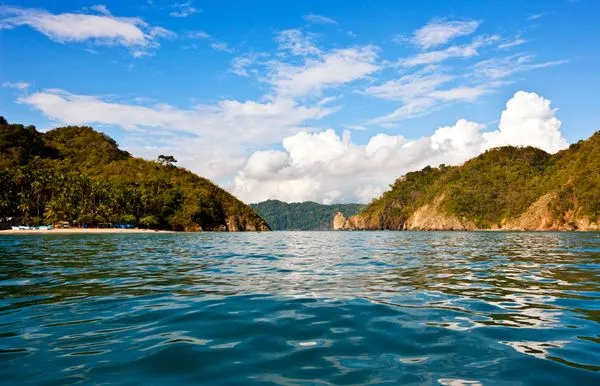

Costa Rica Travel FAQs for First-Time Visitors
Costa Rica Travel FAQs for First-Time Visitors
Introduction
Costa Rica is one of the most popular destinations in Latin America for eco-tourism, adventure travel, and luxury nature experiences. First-time visitors often have practical questions about transportation, safety, weather, and how to navigate the country’s diverse regions.
This guide answers the most common Costa Rica travel FAQs for first-time visitors, helping travelers better understand the country’s geography, logistics, and tourism infrastructure before arriving.
1. Where is Costa Rica located?
Costa Rica is located in Central America, bordered by Nicaragua to the north and Panama to the south. The country has coastlines on both the Pacific Ocean and the Caribbean Sea.
Despite its small size, Costa Rica contains multiple ecosystems including tropical rainforests, cloud forests, volcanoes, and coastal beaches.
2. What is the best time to visit Costa Rica?
Costa Rica has two primary seasons:
Dry Season (December–April)
Best weather for beaches and outdoor activities
Peak tourism season
Higher hotel rates and demand
Green Season (May–November)
Lush landscapes and fewer tourists
Afternoon rain showers common
Lower hotel prices and better availability
Travelers should note that the Caribbean coast often experiences different weather patterns, with September and October sometimes offering the best conditions.
3. What airport should I fly into?
Costa Rica has two main international gateways:
Juan Santamaría International Airport (SJO)
Located near San José in the Central Valley
Primary gateway for destinations such as La Fortuna, Monteverde, and Manuel Antonio
Daniel Oduber Quirós International Airport (LIR)
Located in Liberia, Guanacaste
Best for Guanacaste beaches and the Papagayo Peninsula
Many luxury resorts in the northwest Pacific region are located within 30–60 minutes of Liberia Airport, making it a key entry point for beach tourism.
4. Do I need a visa to visit Costa Rica?
Visitors from the United States, Canada, the United Kingdom, and most European Union countries can enter Costa Rica visa-free for up to 90 days.
Typical entry requirements include:
A valid passport
Proof of onward travel
Evidence of sufficient funds for the stay
Travel regulations may vary by nationality, so travelers should verify requirements before departure.
5. What currency is used in Costa Rica?
The official currency is the Costa Rican Colón (CRC).
However:
US dollars are widely accepted in tourist areas
Credit cards are commonly used in hotels and restaurants
ATMs are widely available across major towns and cities
Many tourism services, including tours and transportation, are often priced in USD.
6. Is Costa Rica safe for tourists?
Costa Rica is considered one of the safest countries in Central America and has a long history of political stability.
Common travel safety tips include:
Avoid displaying expensive items
Use registered transportation services
Stay in reputable accommodations
Be cautious in busy urban areas at night
Tourism police operate in many major destinations.
7. What language is spoken in Costa Rica?
The official language is Spanish.
However, English is widely spoken in tourism areas, including major beach destinations, national parks, and resort regions.
Many tour guides, hotel staff, and transportation providers are bilingual.
8. What are the most popular destinations for first-time visitors?
First-time visitors often combine two or three regions to experience Costa Rica’s diverse landscapes.
Northern Plains (Arenal / La Fortuna)
Known for the Arenal Volcano, hot springs, and adventure activities such as zip-lining and waterfall hikes.
Guanacaste
Famous for Pacific beaches, luxury resorts, and the Papagayo Peninsula.
Central Pacific
Includes Manuel Antonio National Park, known for wildlife and accessible beaches.
Nicoya Peninsula
Destinations such as Santa Teresa and Nosara offer surf culture, yoga retreats, and boutique hotels.
9. How do people travel around Costa Rica?
Travel between destinations is typically done by:
Rental Car
The most flexible option for exploring multiple regions.
Private Transfers
Common for airport-to-resort travel and long-distance routes.
Shared Shuttle Services
Cost-effective transport between popular destinations.
Domestic Flights
Small regional airlines connect San José to remote locations such as Nosara, Tamarindo, and the Osa Peninsula.
Road travel times can be longer than expected due to mountainous terrain and rural roads.
10. What wildlife can I see in Costa Rica?
Costa Rica is one of the most biodiverse countries in the world.
Common wildlife sightings include:
Sloths
Capuchin monkeys
Howler monkeys
Scarlet macaws
Toucans
Sea turtles
Tree frogs
Many animals can be spotted even outside national parks, especially in forested areas.
11. What should I pack for Costa Rica?
Recommended items include:
Lightweight clothing for tropical weather
Rain jacket (especially during green season)
Hiking shoes or trail sandals
Sunscreen and insect repellent
Swimwear and beach gear
Reusable water bottle
Travelers visiting cloud forests or highland areas should also bring light layers for cooler evenings.
12. Is Costa Rica expensive to visit?
Costa Rica is generally more expensive than many other Central American destinations, particularly in high-demand tourism regions.
Costs are influenced by:
Eco-tourism infrastructure
National park protections
High-quality hospitality services
Imported goods
However, travelers can reduce costs by using local restaurants known as “sodas,” public transportation, and budget accommodations.
13. What does “Pura Vida” mean?
“Pura Vida” is Costa Rica’s most famous phrase.
It translates literally to “pure life,” but it is used in many ways including:
Hello
Goodbye
Thank you
Everything is good
The phrase reflects the country’s relaxed lifestyle and cultural identity.
Tourism Insight
Costa Rica’s strong reputation for sustainability, biodiversity protection, and high-quality tourism infrastructure continues to attract millions of international visitors annually. First-time travelers increasingly combine adventure tourism, luxury beach resorts, and wildlife experiences, supporting continued investment in hospitality developments across Guanacaste, the Central Pacific, and emerging destinations on the Nicoya Peninsula.