
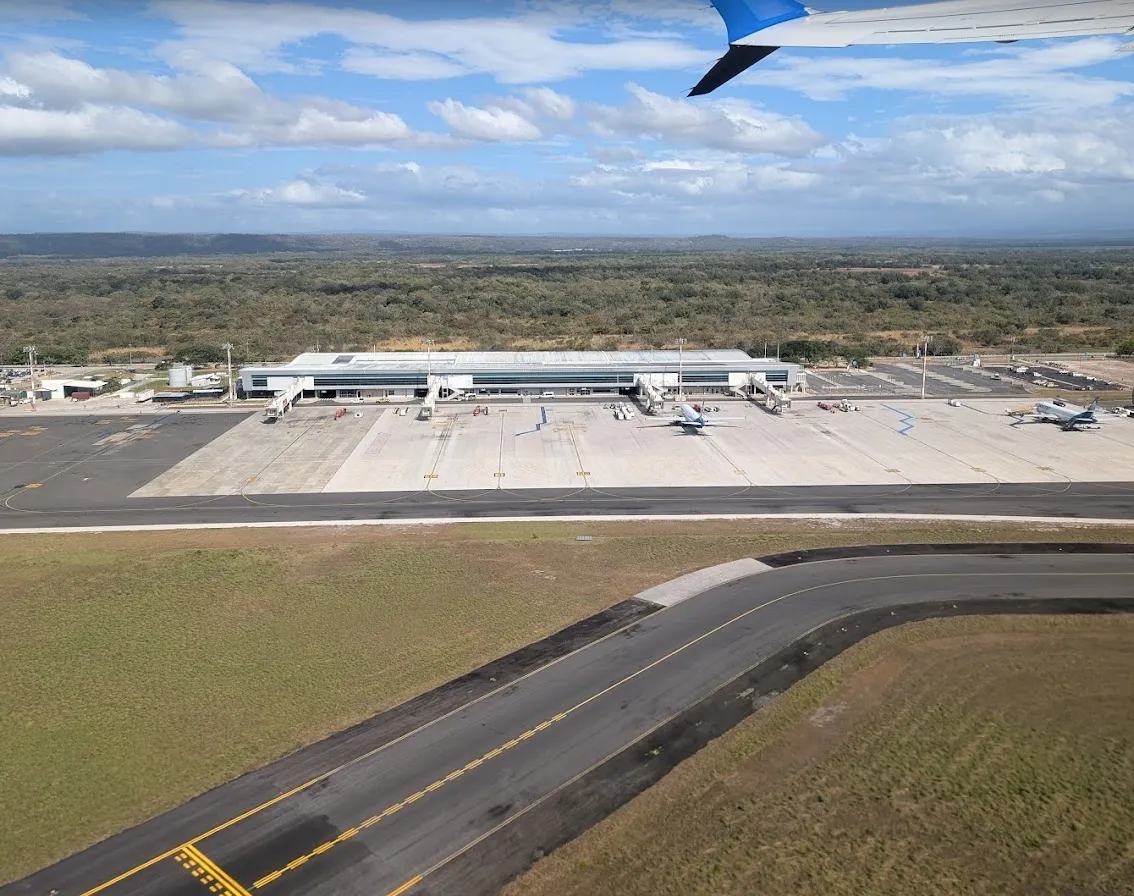
Costa Rica Liberia Airport Travel Growth
Liberia Airport (LIR) has solidified its role as one of the most strategic aviation gateways in Costa Rica, anchoring tourism growth across Guanacaste and the country’s northern Pacific coast. As international travel to Costa Rica continues to expand, Liberia Airport (LIR) is experiencing sustained increases in passenger volume, airline seat capacity, and seasonal route diversification.
The airport’s performance reflects broader momentum in Costa Rica tourism, particularly in high-value coastal markets such as Papagayo, Tamarindo, Nosara, and the Gulf of Papagayo. With strong inbound demand from the United States and Canada and growing connectivity from Europe, LIR is reshaping how international travelers access beach destinations in the country.
This expansion is not only driving hotel occupancy and new development but also increasing operational demand for airport transfer Costa Rica services, private transportation Costa Rica providers, and regional Guanacaste transportation networks that support seamless arrival logistics.
Project or Development Overview
Liberia Airport (LIR), officially known as Daniel Oduber Quirós International Airport, has evolved significantly over the past decade. Infrastructure upgrades, terminal improvements, and expanded airline partnerships have positioned it as a high-efficiency entry point for leisure travelers heading directly to resort zones.
Recent growth has been characterized by expanded direct service from major U.S. hubs including Texas, Florida, Georgia, and California. Canadian seasonal routes continue to deliver strong winter traffic, while select European connections have diversified the visitor profile. This route development strategy aligns with Costa Rica’s broader push to attract long-haul, high-spending visitors.
The airport’s growth is closely tied to the surge in new hotels Costa Rica developers are delivering in Guanacaste. Luxury resort Costa Rica projects in Papagayo, Tamarindo, and surrounding beach communities depend heavily on LIR’s proximity and flight availability. Developers frequently cite direct international access as a core driver of investment decisions.
As room inventory increases, Liberia Airport (LIR) is experiencing concentrated arrival peaks during high season, particularly between December and April. These arrival waves create ripple effects across transportation services, rental car fleets, and private transfer providers.
Airport authorities continue to evaluate capacity management strategies to ensure passenger flow efficiency during peak periods. Infrastructure planning remains critical as Guanacaste’s hospitality pipeline expands.
Location and Tourism Impact
Liberia Airport (LIR) is located in the northwestern province of Guanacaste, approximately 13 kilometers (8 miles) west of the city of Liberia. Its strategic positioning places it within close reach of Costa Rica’s most prominent Pacific beach destinations.
Papagayo Peninsula is roughly 30 kilometers (18 miles) from the airport, while Tamarindo is approximately 65 kilometers (40 miles) away. Nosara, further south along the Nicoya Peninsula, is about 110 kilometers (68 miles) from LIR. These relatively short travel distances significantly reduce total journey time compared to routing through San Jose Airport (SJO).
This geographic advantage has transformed Guanacaste into a primary hub for travel to Costa Rica’s Pacific coast. International visitors increasingly prefer flying directly into LIR rather than connecting through the Central Valley, particularly for shorter stays.
The tourism impact is measurable. Higher direct seat capacity into Liberia has supported sustained occupancy rates in luxury and upscale properties. It has also encouraged additional investment in branded residences and mixed-use resort communities.
Beyond hospitality, the growth of Liberia Airport (LIR) has stimulated economic activity in surrounding communities. Workforce demand in hospitality, transportation, and service sectors continues to rise, reinforcing Guanacaste’s role as a tourism-driven economy.
The airport’s expansion also supports diversification within Costa Rica tourism. By distributing arrivals more evenly between LIR and San Jose Airport (SJO), the country reduces pressure on Central Valley infrastructure while accelerating development along the northern Pacific corridor.
How to Get There
Liberia Airport (LIR) serves as the primary international gateway for Guanacaste and much of Costa Rica’s northern Pacific region. It is well connected via direct international flights from North America and select European markets, especially during peak travel months.
For travelers arriving at Liberia Airport (LIR), driving times to major destinations are as follows:
Papagayo Peninsula: Approximately 30 kilometers (18 miles), 30–45 minutes by road.
Tamarindo: Approximately 65 kilometers (40 miles), 1 to 1.5 hours via Route 21.
Flamingo and Potrero: Roughly 50 kilometers (31 miles), about 1 hour.
Nosara: Approximately 110 kilometers (68 miles), 2.5 to 3 hours depending on road conditions.
Road access from LIR is primarily via paved highways, with Route 21 serving as the main corridor connecting Liberia to coastal resort areas. Infrastructure improvements in recent years have enhanced road quality and signage, though travel times may fluctuate during high season or heavy rainfall periods.
San Jose Airport (SJO) remains an alternative entry point for travelers heading to Guanacaste. However, the drive from SJO to Liberia or Papagayo spans roughly 220 kilometers (137 miles) and typically takes 4 to 5 hours via the Inter-American Highway. For visitors prioritizing efficiency and direct beach access, Liberia Airport (LIR) offers a significant time advantage.
Given the distances involved and the concentration of high-end properties, private transportation Costa Rica services are frequently utilized for direct transfers. Pre-arranged airport transfer Costa Rica providers coordinate pickups based on flight arrival times, offering non-stop service to resorts and private residences.
Shared shuttle service Costa Rica options operate between LIR and major beach destinations, providing scheduled departures throughout the day. However, travelers staying at luxury resorts or arriving in groups often opt for private transfers for flexibility and reduced travel time.
As passenger volumes grow, Guanacaste transportation networks are expanding fleet capacity and integrating digital reservation systems to manage arrival surges efficiently. The coordination between airport operations and ground transportation is increasingly critical to maintaining service quality.
What This Means for Travelers
The continued growth of Liberia Airport (LIR) enhances accessibility to Costa Rica’s most sought-after coastal destinations. For travelers, this translates into shorter transit times, more direct flight options, and streamlined ground transportation logistics.
The airport’s expansion also supports the ongoing development of luxury resort Costa Rica projects across Guanacaste. Increased air connectivity reinforces investor confidence and stabilizes high-season occupancy rates, which in turn strengthens the overall tourism ecosystem.
For transportation providers, rising passenger traffic means scaling operations to accommodate peak arrivals. Airport transfer Costa Rica services must manage synchronized flight landings, while private transportation Costa Rica operators focus on maintaining premium service standards aligned with luxury traveler expectations.
The broader implication for Costa Rica tourism is strategic decentralization. With Liberia Airport (LIR) absorbing a growing share of international arrivals, the country benefits from a more balanced distribution of tourism activity. This reduces congestion in the Central Valley and accelerates economic development in Guanacaste.
As international demand remains strong, Liberia Airport (LIR) will continue to function as a critical infrastructure pillar supporting new hotels Costa Rica developers are bringing to market. The integration of air access, hospitality growth, and ground transportation capacity will define the next phase of expansion.
Conclusion
Liberia Airport (LIR) has emerged as a cornerstone of Costa Rica’s northern Pacific tourism strategy, driving growth across Guanacaste’s luxury resort corridors and beach destinations. Sustained international route expansion and increasing passenger volumes are reinforcing the airport’s role as a primary gateway for travel to Costa Rica.
As new developments rise in Papagayo, Tamarindo, and surrounding areas, demand for airport transfer Costa Rica services, shuttle service Costa Rica operations, and private transportation Costa Rica providers will continue to grow. The coordination between aviation infrastructure and ground mobility will remain essential to supporting Costa Rica tourism’s upward trajectory.