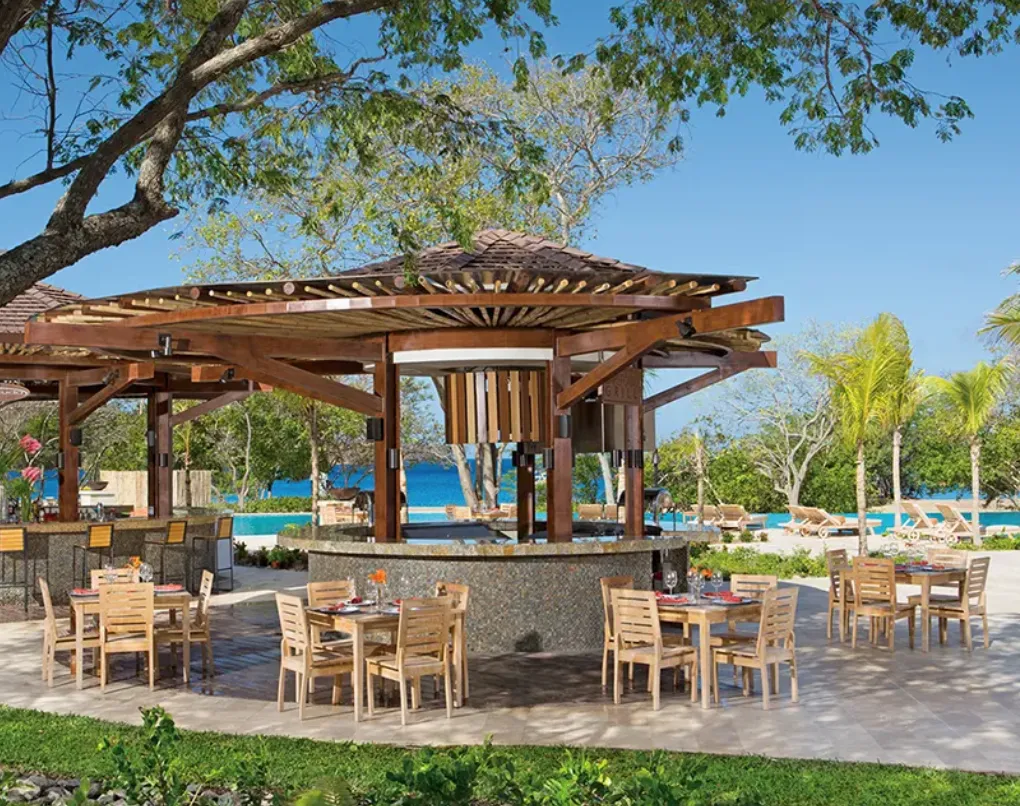
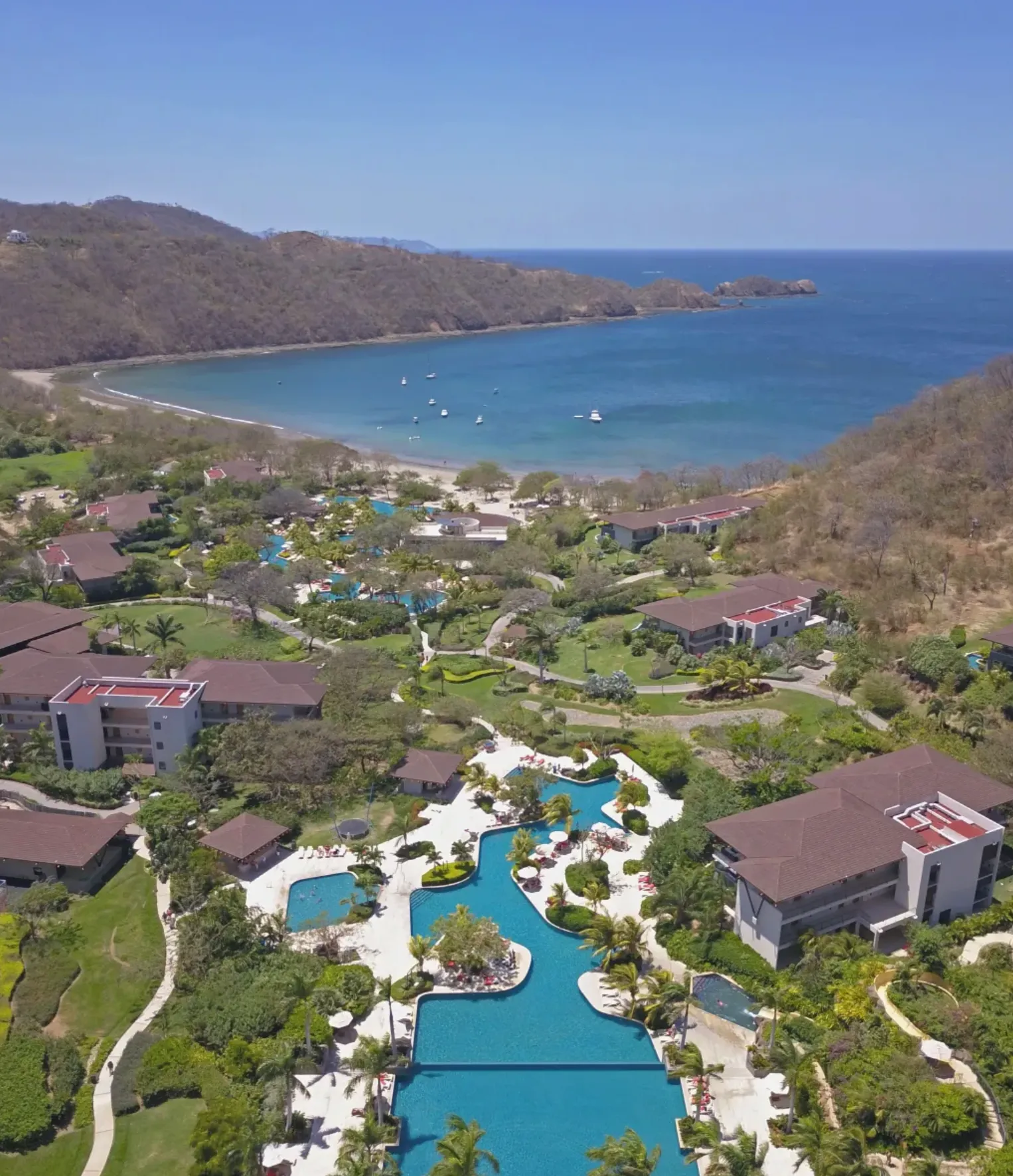
JW Marriott All-Inclusive Costa Elena
Costa Elena Development: JW Marriott All-Inclusive Resort Expands Northern Guanacaste
Costa Elena is emerging as a resort and residential destination in the far north of Guanacaste, beyond better-established tourism areas such as Papagayo, Tamarindo and Playas del Coco.
The planned JW Marriott all-inclusive resort is expected to become a major hospitality anchor within the master-planned Costa Elena community. Its development highlights growing tourism interest in the northern Pacific coast near La Cruz, where resort investment, conservation landscapes and access through Liberia Airport are creating a distinct destination proposition.
Quick Answer
Costa Elena is a master-planned coastal community in northern Guanacaste that combines hospitality, residences, homesites and natural landscapes.
The planned JW Marriott all-inclusive resort could significantly increase the destination’s international visibility and extend major branded hospitality farther north in Guanacaste. Liberia Airport is expected to serve as the principal international gateway for most visitors.
What Is Costa Elena?
Costa Elena is being developed as more than a single resort.
The broader community combines hospitality projects, private residences, homesites, coastal landscapes and conservation-focused planning. The JW Marriott property is positioned as one of the central hospitality components within that wider destination.
Travelers researching the individual property can review the JW Marriott Costa Elena hotel guide.
Why the JW Marriott Project Matters
Much of Guanacaste’s internationally recognized resort development has historically been concentrated around the Papagayo Peninsula and established beach communities farther south.
Costa Elena introduces another potential tourism center in the La Cruz area. A globally recognized hospitality brand can increase awareness among international travelers, travel advisors, groups and other segments that may not previously have considered this part of Guanacaste.
That does not mean Costa Elena will simply replicate Papagayo. The two destinations have different geographic settings and stages of development, with Costa Elena still establishing its own identity.
Travelers combining both regions can review transportation from Papagayo Peninsula to JW Marriott Costa Elena.
Where Is Costa Elena?
Costa Elena is located in far northwestern Guanacaste near La Cruz and Costa Rica’s northern Pacific coastline.
The surrounding environment includes tropical dry forest, protected landscapes, coastal hills and less-developed shoreline. This gives Costa Elena a different tourism profile from busier destinations farther south.
Its relative remoteness is part of its appeal, but it also means airport selection and transportation planning deserve more attention.
A dedicated guide explains how to get to Costa Elena from airports and other Costa Rica destinations.
Liberia Airport and Costa Elena
Liberia Airport, also known as Guanacaste Airport, is the primary international gateway for most travelers heading to Costa Elena.
The development is approximately 80 kilometers, or 50 miles, from the airport, and the road journey generally takes around 1 hour 45 minutes to 2 hours, depending on traffic, road conditions and the final destination within Costa Elena.
Guests staying at the JW Marriott property can review private transportation from Liberia Airport to JW Marriott Costa Elena.
Travelers who prefer independent mobility can instead consider Liberia Airport car rental options.
What About San José Airport?
San José Airport can also be used, but the overland journey to Costa Elena is substantially longer.
The distance is approximately 300 kilometers, or 186 miles, with an estimated road journey of around 5 to 6 hours depending on traffic, weather, road conditions and stops.
SJO may make more sense for travelers combining Costa Elena with the Central Valley or other regions of Costa Rica. Visitors focused primarily on northern Guanacaste will generally find Liberia Airport more practical.
Transportation and Mobility Planning
Costa Elena is not located immediately beside an international airport or major tourism town, so ground transportation should form part of the itinerary from the beginning.
Private transportation may suit travelers who want a vehicle reserved for their party, coordinated departure timing and direct travel to a confirmed property.
A rental car may be a better fit for visitors who want to explore northern Guanacaste independently or continue through several destinations after Costa Elena. Travelers should evaluate the entire itinerary rather than choosing a vehicle solely for the airport-to-resort segment.
Combining Costa Elena with Other Destinations
Costa Elena may become an increasingly important starting or ending point for multi-region Costa Rica itineraries.
La Fortuna and Arenal
Travelers seeking a rainforest and volcano experience can connect northern Guanacaste with the Arenal region using JW Marriott Costa Elena to La Fortuna transportation.
Monteverde
Monteverde provides a contrasting mountain and cloud-forest environment. The journey requires a dedicated overland transfer from Costa Elena.
Santa Teresa
Santa Teresa lies much farther south on the Nicoya Peninsula and should not be treated as a neighboring beach destination. The guide to JW Marriott Costa Elena and Santa Teresa transportation explains the connection.
Manuel Antonio
Combining Costa Elena with Manuel Antonio creates a long north-to-south Pacific itinerary. Travelers should plan the route as a major travel segment rather than a short coastal transfer.
What Could the Development Mean for Travelers?
The JW Marriott project could give international visitors another major resort option outside Guanacaste’s established tourism centers.
Its all-inclusive positioning may appeal to travelers who want a resort-centered stay in a quieter coastal setting. Visitors planning extensive independent exploration, however, should consider the destination’s geography before using Costa Elena as a base for long daily trips.
A split itinerary combining Costa Elena with another region may work better for travelers who want to experience several parts of Costa Rica.
Potential Impact on Northern Guanacaste
A major branded resort can increase awareness of La Cruz and northern Guanacaste while generating additional demand for transportation, rental vehicles, excursions and other tourism services.
The long-term effect will depend on how Costa Elena develops, how its hospitality projects perform and how new investment interacts with the surrounding environmental landscape.
The project therefore represents more than another hotel opening. It reflects the gradual expansion of Costa Rica’s resort geography into a section of Guanacaste that has historically received less large-scale international tourism development.
Planning a Future Costa Elena Stay
Travelers considering Costa Elena should confirm the operating status of their chosen accommodation, select the most practical airport and understand the distance to other destinations before finalizing an itinerary.
For many visitors, Liberia Airport combined with pre-arranged transportation will provide the most straightforward arrival plan. Travelers who prefer greater independence can evaluate a rental car, particularly when Costa Elena is part of a longer road trip.
Careful planning will make it easier to combine this emerging northern Guanacaste destination with the rest of Costa Rica.