
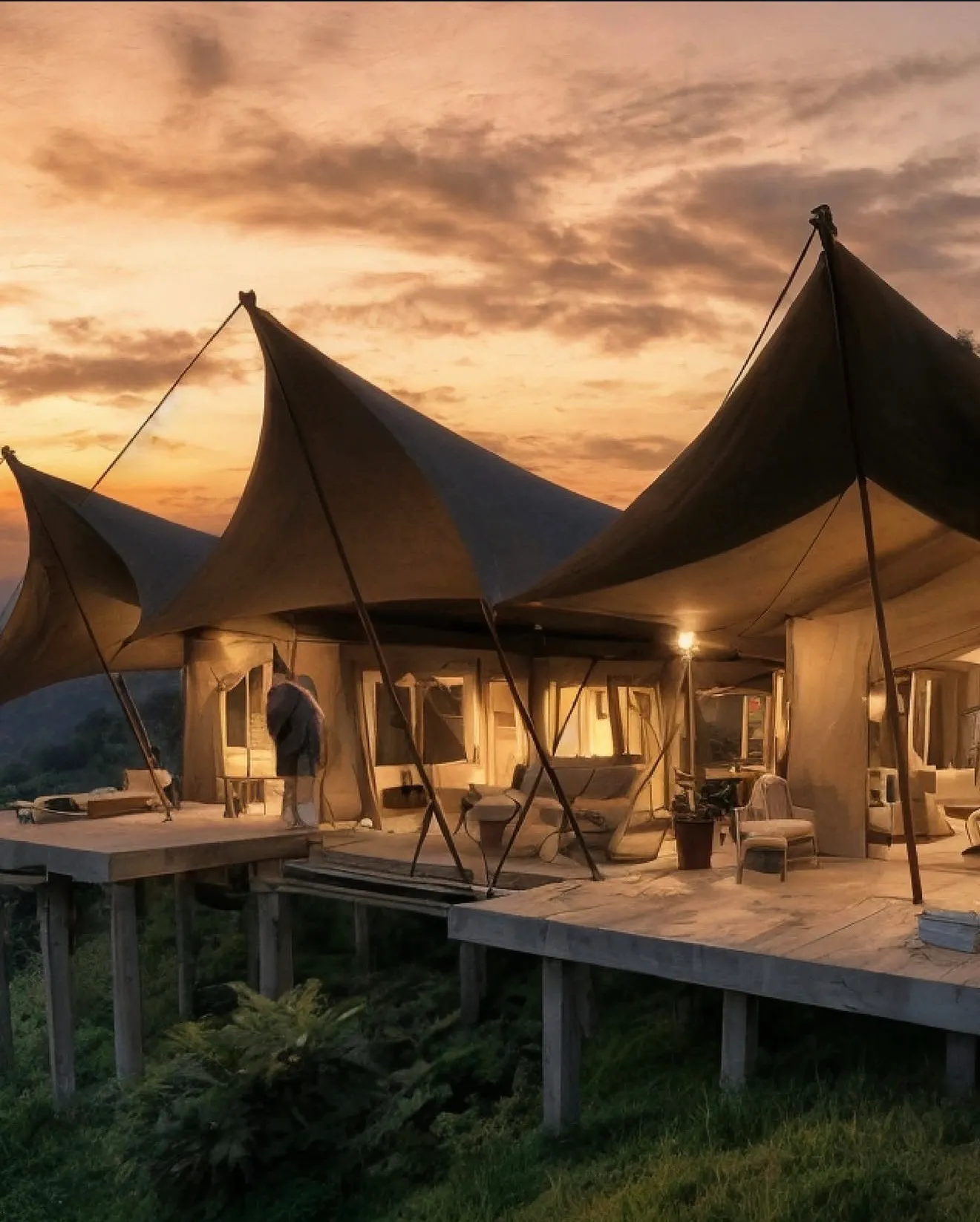
Auralta Rio Celeste
Auralta Río Celeste: Boutique Nature Hotel Development Near Tenorio Volcano National Park, Costa Rica
Introduction
Auralta Río Celeste represents a strategic addition to Costa Rica’s growing portfolio of boutique eco-luxury accommodations in inland destinations. Located near the iconic Río Celeste and Tenorio Volcano National Park, the project reflects increasing investor and developer interest in the Northern Plains region as demand shifts toward immersive, nature-based travel experiences. With a projected opening in December 2026, the development aligns with broader trends in Costa Rica tourism development focused on sustainability, exclusivity, and lower-density hospitality models.
Project Overview
Project Name: Auralta Río Celeste
Hotel Brand: Auralta Hotels
Collection Affiliation: Elohi Collection (nature-focused hospitality portfolio)
Developer / Operator: Not publicly disclosed
Location: Río Celeste – Tenorio area, near Bijagua de Upala
Province: Alajuela
Tourism Region: Northern Plains (Arenal / La Fortuna region)
Property Type: Boutique eco-luxury nature hotel
Number of Rooms: 25
Residences: Not disclosed
Investment Size: Not publicly disclosed
Auralta Río Celeste is positioned as a small-scale, design-forward retreat focused on rainforest immersion. Its limited room count indicates a low-density development strategy targeting high-value travelers rather than mass tourism.
Location Context
The hotel is situated near Río Celeste, one of Costa Rica’s most recognizable natural attractions, located within Tenorio Volcano National Park. The surrounding area of Bijagua serves as the primary access point and has evolved into a key gateway for eco-tourism in the Northern Plains.
Nearest Airport: Daniel Oduber Quirós International Airport (Liberia – LIR)
Distance from Airport: Approximately 85–90 km
Driving Time: حوالي 1.5 hours
The property benefits from proximity to major inland tourism circuits, including Arenal and La Fortuna, allowing it to integrate easily into multi-destination itineraries that combine volcano, rainforest, and wildlife experiences.
Tourism Market Impact
Auralta Río Celeste contributes to the diversification of Costa Rica’s hospitality sector by strengthening the Northern Plains as a standalone destination rather than a secondary excursion from Arenal. The project’s boutique scale and positioning indicate a focus on:
International leisure travelers seeking eco-luxury experiences
Couples and small groups prioritizing privacy and nature immersion
Multi-stop itineraries combining Guanacaste beaches with inland destinations
Unlike large-scale resort developments, this project enhances the region’s appeal through exclusivity and environmental integration. It also signals growing confidence in the Río Celeste–Tenorio corridor as an overnight destination with increasing accommodation demand.
Transportation & Accessibility Analysis
Accessibility is one of the project’s key advantages. The relatively short drive from Liberia International Airport makes it more accessible than other inland destinations in Costa Rica.
Primary access via paved highways from Liberia to Bijagua
Final access roads may include secondary routes with variable conditions during the rainy season
Suitable for private transfers, rental vehicles (preferably SUVs), and guided transport services
For transportation providers, the project is likely to generate increased demand for private transfers connecting Liberia Airport, Papagayo Peninsula, Arenal, and Río Celeste.
Strategic Tourism Insight
Auralta Río Celeste reflects a broader evolution in Costa Rica tourism investment. While traditional growth has centered on coastal luxury developments in Guanacaste, inland regions like the Northern Plains are gaining traction due to their ecological value and experiential appeal.
Key strategic implications include:
Expansion of eco-luxury tourism: Growth of small, high-end nature hotels
Regional diversification: Reduced reliance on beach destinations
Strengthening of the Río Celeste corridor: Transition from day-trip destination to overnight stay hub
Increased transportation connectivity: Rising demand for inland travel routes from Liberia
Although details such as investment size and development structure remain undisclosed, the project’s positioning suggests a targeted approach to high-value, low-impact tourism aligned with Costa Rica’s sustainability model.