
Costa Rica Rental Car Pickup Checklist
Official Alamo, National & Enterprise Partner. Zero risk, no credit card required online.



Costa Rica Rental Car Pickup Checklist
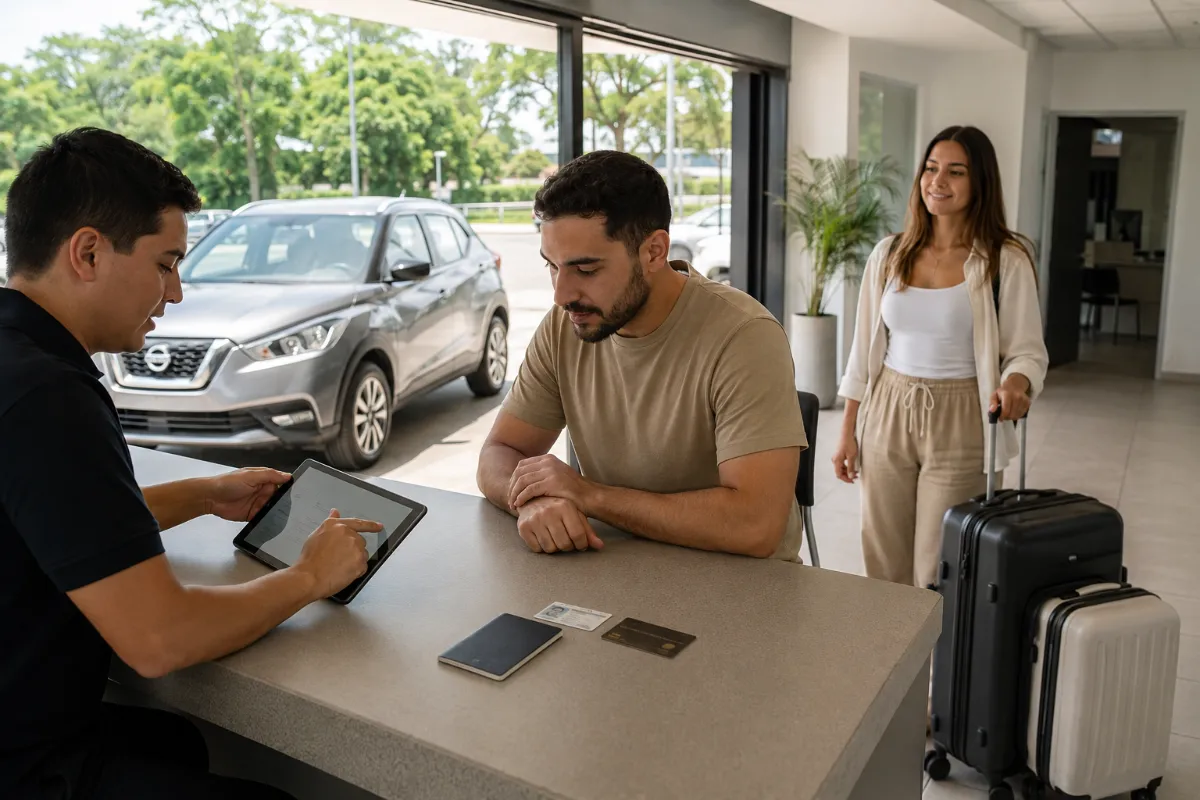
Before driving away in a Costa Rica rental car, confirm that the agreement matches the reservation, the payment authorization and protection choices are clear, the vehicle condition and fuel level are recorded, and you understand the return and emergency procedures. Bring the required physical documents and inspect the car before leaving. A few minutes at pickup can prevent avoidable problems later.
Check current vehicles and rental terms for your dates, then use this checklist at the counter and during the vehicle handoff.
1. Have Your Documents Ready
Bring the documents required for the exact reservation.
Current Alamo, National and Enterprise Costa Rica requirements reviewed for this guide call for a valid physical driver's license and a qualifying credit card in the primary renter's name. Local brand FAQs also list a passport for international renters. Additional drivers must meet the applicable requirements and should present their licenses when added to the agreement.
If you plan to use outside rental-car coverage, bring any written proof required by the rental company.
2. Check the Rental Agreement
Make sure the agreement reflects what you intended to rent.
Confirm the pickup and return dates, locations, vehicle category, additional drivers, protection selections, one-way arrangement if applicable, optional equipment and fuel option.
Also confirm the complete amount being authorized or charged. Ask about anything that differs from the reservation before signing.
3. Understand the Deposit Authorization
Know how much credit will be unavailable on your card.
Current SJO policies for Alamo, National and Enterprise publish a US$500 security deposit plus the estimated rental cost. Deposit rules can vary by reservation or location, so use the amount shown for your booking.
Make sure the qualifying card has sufficient available credit and distinguish the security authorization from the final rental charge.
4. Confirm Your Protection Choices
Know which protections are on the agreement and what financial responsibility remains.
Check Third-Party Liability (TPL), Collision Damage Waiver–Theft Protection (CDW-TP), Tire and Windshield Protection (TWP), deductible protection when applicable, and Roadside Assistance if selected. Current policies treat these as distinct protections or services, and their inclusion varies by package and brand.
If relying on a credit-card or third-party benefit, confirm that the required documentation has been accepted. The signed rental agreement controls the protections, exclusions and responsibilities.
5. Confirm the Vehicle Fits the Trip
Check that passengers and luggage fit safely and that the vehicle category suits the route.
If your itinerary genuinely requires four-wheel drive, verify the actual drivetrain rather than assuming every SUV is a 4x4. Also confirm the correct fuel type before leaving. The existing driving guide specifically recommends checking fuel type, vehicle controls and emergency equipment before departing the rental location.
6. Inspect the Vehicle
Walk around the car before driving away.
Check the bumpers, doors, body panels, mirrors, wheels, visible tire condition and windshield. Make sure existing scratches, dents, chips or other visible damage are recorded under the rental company's inspection procedure.
Take your own photos of the exterior, windshield, wheels and existing marks as an additional reference. The existing Tire and Windshield Protection guide likewise recommends photographing visible tire and windshield condition and reporting existing damage before departure.
7. Check the Controls and Equipment
Before entering traffic, adjust the seat and mirrors and check the seat belts, headlights, turn signals, windshield wipers, air conditioning and dashboard.
If a warning light remains illuminated or something appears unsafe, ask the rental location about it before leaving. Locate the spare tire or emergency equipment when applicable and confirm how to contact roadside assistance.
If you reserved a child seat, booster, GPS, Wi-Fi device, roof rack or other equipment, verify that it is present before departure.
8. Verify the Fuel Level
Check the fuel gauge and the fuel option written into the agreement.
Current Alamo, National and Enterprise Costa Rica policies reviewed offer prepaid fuel, rental-company refueling or a refill-yourself option. Under the refill-yourself option, returning the vehicle full avoids the company's refueling charge.
Photograph the fuel gauge at pickup and confirm the correct fuel type.
9. Save Emergency Contacts
Save the rental-office number, customer-service contact and roadside-assistance instructions.
Roadside Assistance can be a separate optional product; do not assume every towing, flat-tire, lockout, lost-key or fuel-delivery situation is automatically included. Current Alamo, National and Enterprise Costa Rica policies list Roadside Assistance separately and define specific included services and exclusions.
For an accident, follow the reporting procedure in the rental agreement and contact the rental company as instructed.
10. Confirm the Return Plan
Know exactly where, when and how the vehicle must be returned.
Confirm the return branch, time, fuel requirement, after-hours procedure and any approved one-way arrangement. If hotel or vacation-rental collection has been arranged, confirm the property and handoff instructions.
One-way arrangements should be established in advance rather than assumed at the end of the rental. Current Enterprise Costa Rica policies, for example, state that one-way rentals must be booked in advance and remain subject to availability.
Final Pickup Check
Before entering the road, confirm:
License, passport and payment requirements are complete.
Agreement dates, locations and drivers are correct.
Deposit or authorization is understood.
Protection choices match what you accepted.
Existing damage is recorded.
Tires, windshield and fuel level are checked.
Vehicle category and drivetrain suit the route.
Requested equipment is present.
Return and emergency instructions are saved.
Resolve anything unclear while you are still at the rental location.
Frequently Asked Questions
What documents should I have at rental car pickup in Costa Rica?
Be prepared with the valid physical driver's license, passport and qualifying credit card required for the selected reservation. Bring written proof if you plan to rely on outside coverage and the rental company requires it.
Should I take photos of the rental car at pickup?
Yes. Photos can supplement the rental company's inspection record. Photograph the exterior, windshield, visible wheels and existing marks, and make sure existing damage is recorded before leaving.
What should I check on the rental agreement?
Check the drivers, dates, pickup and return locations, protection products, security authorization, fuel option, optional equipment and one-way terms when applicable. Ask about anything that differs from your reservation.
How much is the rental car deposit?
Current SJO policies reviewed for Alamo, National and Enterprise publish a US$500 security deposit plus the estimated rental cost. Conditions can vary, so confirm the authorization for your exact reservation rather than treating this as a universal Costa Rica amount.
Should I check the tires and windshield?
Yes. Inspect their visible condition and report existing damage before leaving. Tire and Windshield Protection and Roadside Assistance are different products or benefits, so confirm what your reservation includes.
Do I need to return the car with a full tank?
Follow the fuel option in your agreement. Current brand policies include prepaid fuel, company refueling and refill-yourself options. If your agreement requires refilling, return the vehicle at the specified level to avoid additional refueling charges.
What emergency information should I keep?
Save the rental-office and customer-service contacts, roadside-assistance instructions and accident-reporting procedure. Keep the rental agreement accessible during the trip.
Last reviewed: August 2026.
Rental requirements, deposits, protection products, fuel terms, equipment and office procedures can vary by brand, location, vehicle and rate. The booking terms and signed rental agreement govern the transaction.